
Best practices for Equipment Calibration…
Accuracy across the range
How Best practices for Equipment calibration works
- Intake & visual inspection
- Environmental stabilization
- As-found measurement
- Comparison to NIST-traceable standards
- Adjustment if required
- As-left results & certificate
Your calibration, covered
In-lab vs on-site calibration
In-lab calibration
- Accredited bench with full reference standards
- Best achievable measurement uncertainties
- Pickup & return logistics handled
- Ideal for precision and reference work
On-site calibration
- We calibrate the Best practices for Equipment at your facility
- No shipping risk or transit downtime
- As-found data captured before any move
- Ideal for fixed, large or sensitive assets
In-depth guide
1.-Follow established calibration procedures:
It is essential to follow established calibration procedures developed based on industry standards and guidelines. These procedures should include detailed instructions on how to calibrate the equipment, including the equipment and standards2.-Use traceable calibration standards:
Traceable calibration standards have a direct chain of measurements to a recognized national or international standard (NIST, National Institute of Standards and Technology). Using traceable calibration standards ensures that the calibration results are reliable and accurate.3.-Calibrate at regular intervals:
Regular calibration is necessary to maintain the equipment’s accuracy. The calibration interval should be determined based on the environmental factors that may affect the equipment’s stability, the Inherent stability of the equipment, the frequency of use, and the accuracy requirements set by customers based on the manufacturer’s recommendations.
4.-Document the calibration process:
Proper documentation is essential to ensure that the calibration process is reproducible and meets regulatory requirements. Calibration records should include information such as equipment under test information, the calibration standard used, the calibration procedure, and the calibration results.6.-Ensure proper environmental conditions:
The environmental conditions during calibration should be consistent with the requirements under which the equipment will be calibrated and used. This includes temperature, relative humidity, and other factors affecting the equipment’s accuracy7.-Maintain calibration equipment:
Calibration equipment should be maintained regularly to ensure it functions properly. This includes cleaning, replacement of worn parts, repair (if necessary), review of general functionality, and performing functional tests.
8.-Train personnel:
Personnel responsible for equipment calibration should receive proper training on the calibration procedures, equipment, and standards used. This includes understanding the importance of calibration, skills that will enable the personnel to perform their jobs more securely, and what and how they should do the calibration. The training can address many levels from basic to advanced or specialized skills.9.-Quality Management Systems and Accreditation:
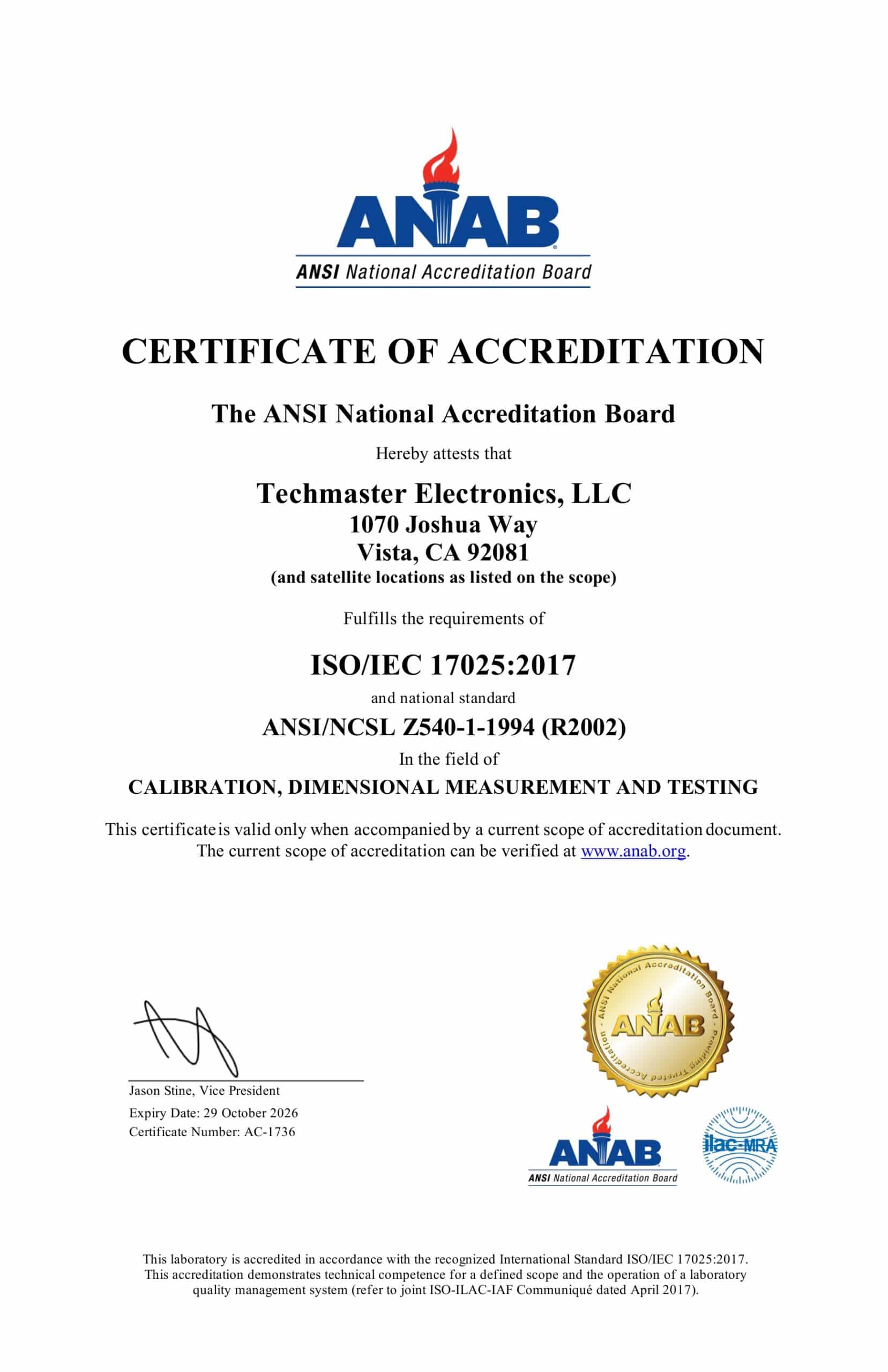
To meet calibration standards, every company must build a strong quality system. This system should follow ISO guidelines and include clear documentation. In particular, ISO/IEC 17025 accreditation confirms that your processes meet global quality standards.
When you apply these best practices, your instruments stay accurate and reliable. As a result, you minimize errors and boost overall efficiency.
If you’d like to learn more or need guidance, contact us. Our experts are ready to help you.
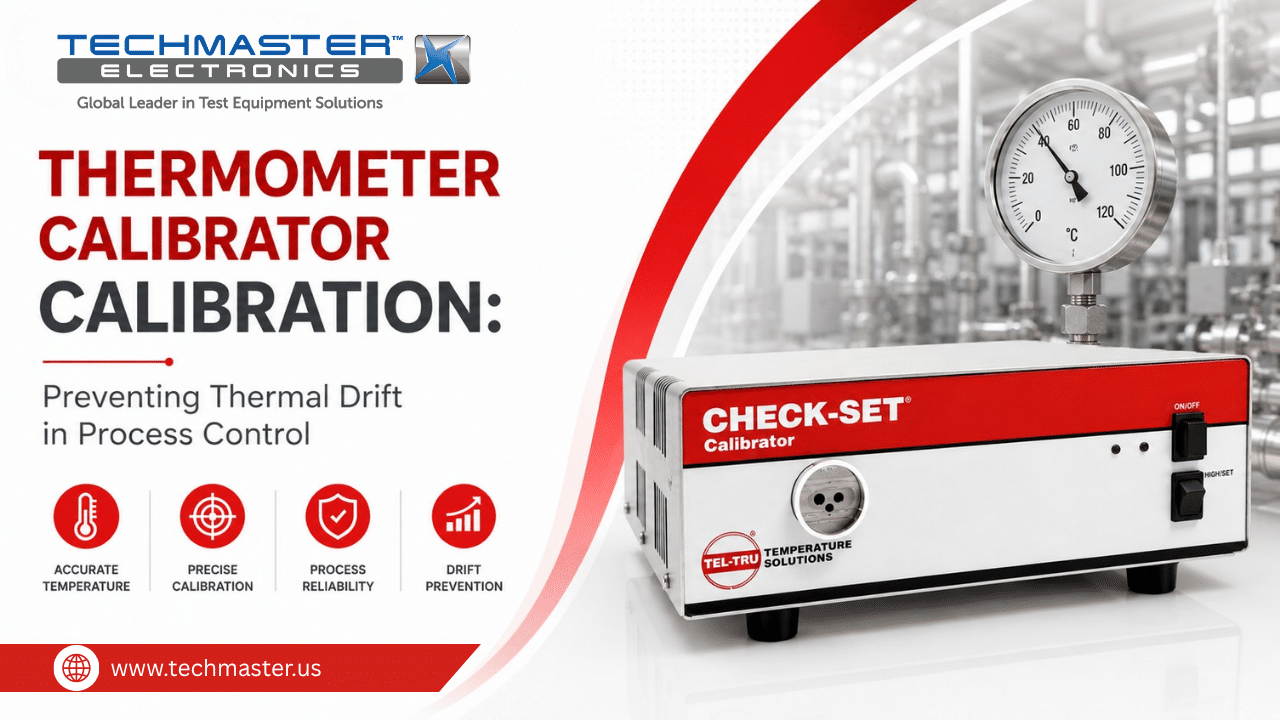
Thermometer Calibrator Calibration: Fix Thermal Drift
Home » Best practices for Equipment CalibrationQuick answer: A dry-block thermometer calibrator needs assessment of...
May
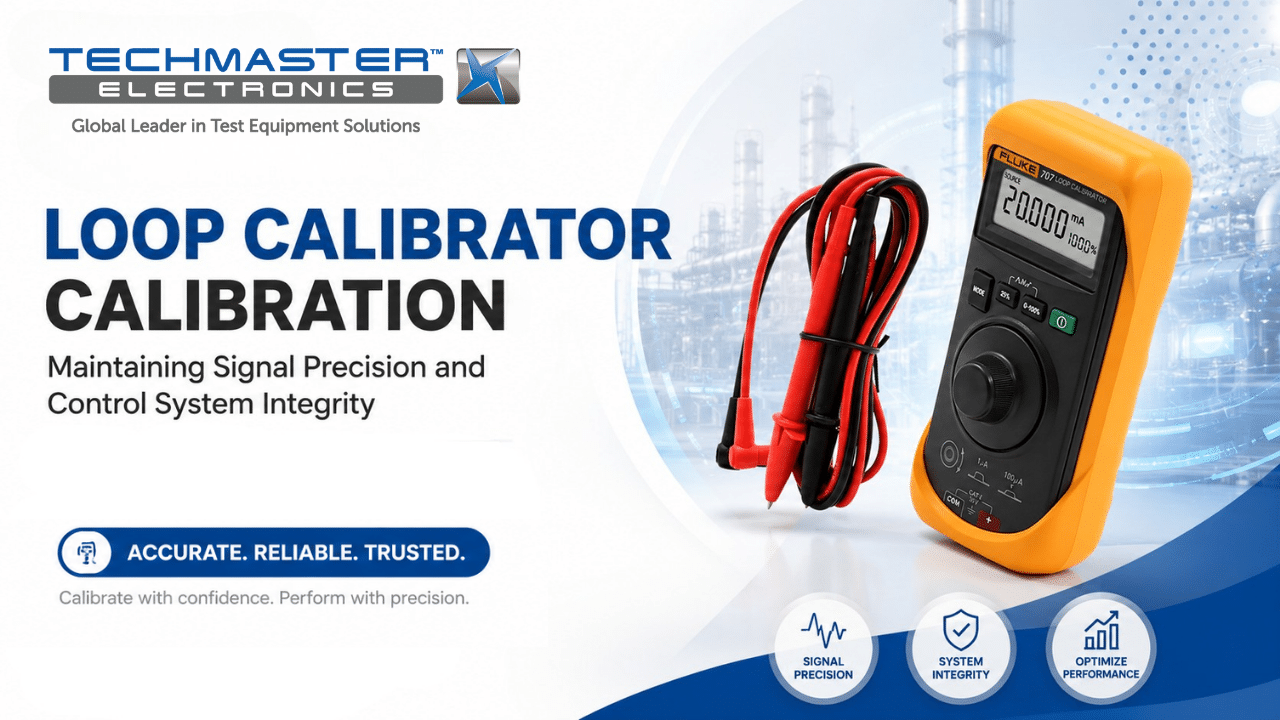
Loop Calibrator Calibration: Signal Accuracy in Process Control
Home » Best practices for Equipment Calibration Metrology guide · ISO/IEC 17025 · ANAB-accredited Loop...
May
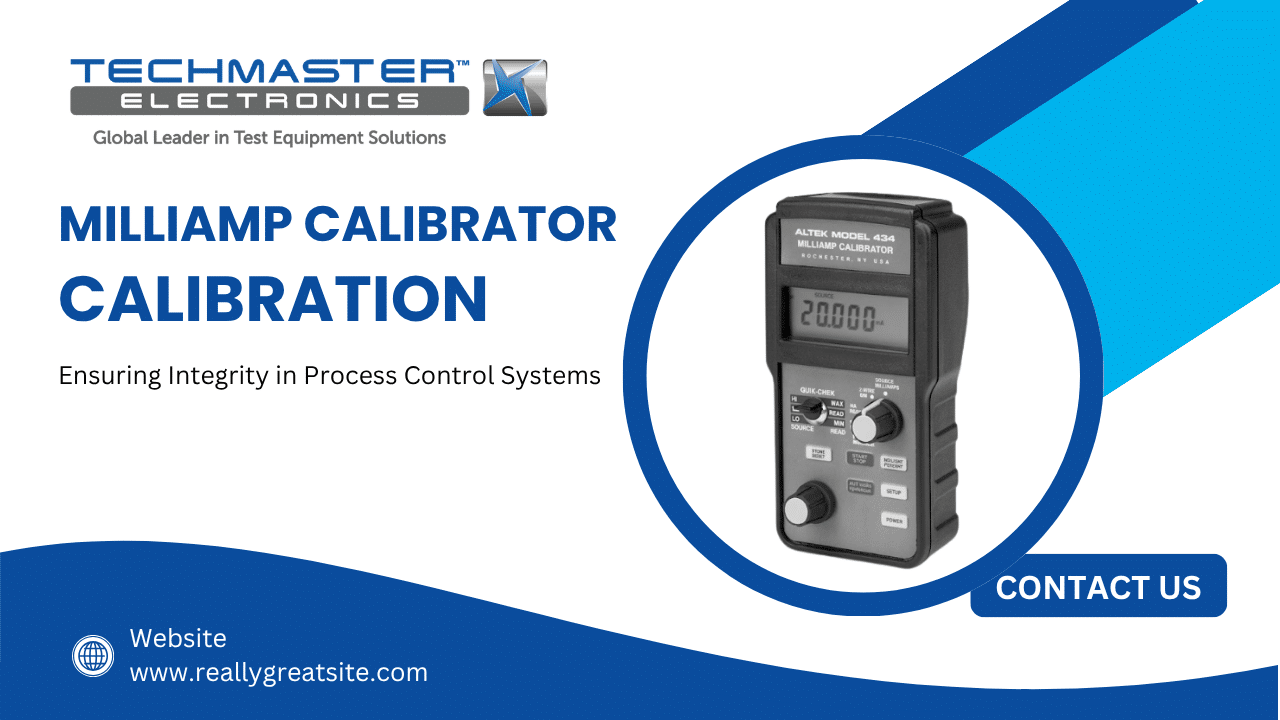
Milliamp Calibrator Calibration in Process Control Systems
Home » Best practices for Equipment Calibration Metrology guide · ISO/IEC 17025 · ANAB-accredited Milliamp...
Apr
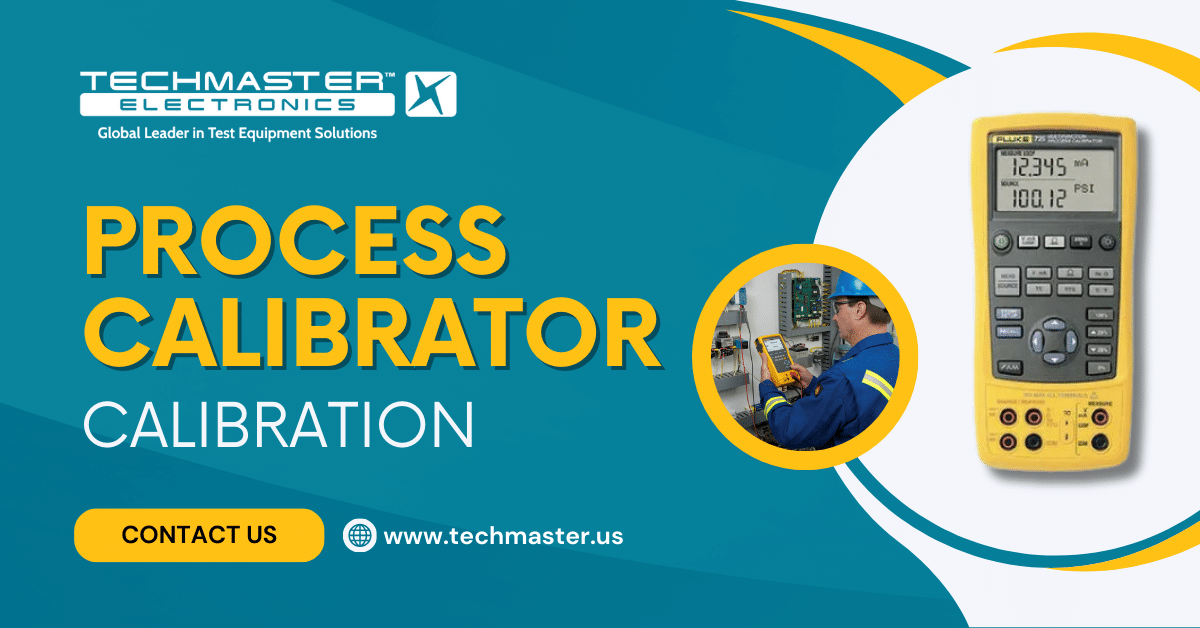
Process Calibrator Calibration: Guide, Steps & Best Practices
Home » Best practices for Equipment Calibration Metrology guide · ISO/IEC 17025 · ANAB-accredited Process...
Dec
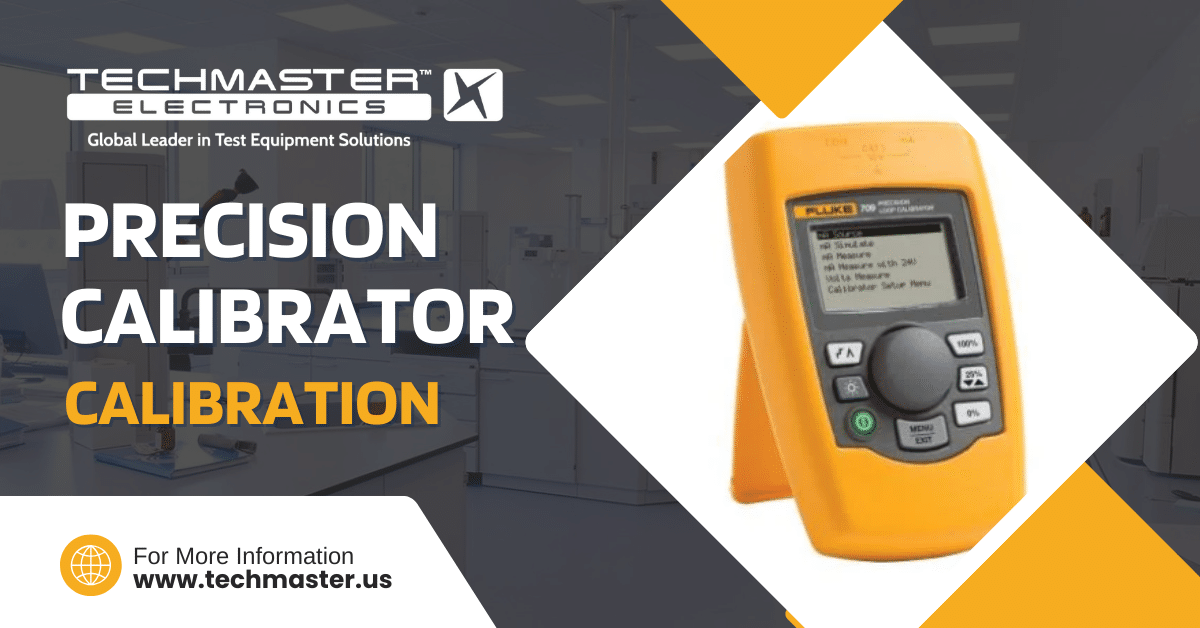
Precision Calibrator Calibration: What You Need to Know
Home » Best practices for Equipment Calibration Metrology guide · ISO/IEC 17025 · ANAB-accredited Precision...
Dec

Precision vs Process vs Documenting Calibrators: What’s the Difference?
Home » Best practices for Equipment Calibration Guide · Techmaster Electronics Precision vs Process vs...
Nov

Calibrator Calibration Service for Renewable Energy Accuracy
Home » Best practices for Equipment Calibration Metrology guide · ISO/IEC 17025 · ANAB-accredited Calibrator...
Jul

Processmeter calibration to meet NIST standards
Home » Best practices for Equipment Calibration Metrology guide · ISO/IEC 17025 · ANAB-accredited Processmeter...
Jul
Frequently asked questions
What is Best practices for Equipment Calibration?
How often should a Best practices for Equipment be calibrated?
What standards apply to Best practices for Equipment Calibration?
What is included on the certificate?
Can you calibrate the Best practices for Equipment on-site?
Need Best practices for Equipment calibration?
ANAB-accredited, NIST-traceable, fast turnaround — in-lab or on-site across the USA.
Contact us for a quoteReferences & industry standards
- ISO/IEC 17025 testing & calibration laboratory requirements
- NIST calibration services and measurement traceability
- A2LA / ANAB accreditation for calibration laboratories
External standards bodies. Techmaster Electronics is an ISO/IEC 17025-accredited, NIST-traceable calibration laboratory.

Khanh Nguyen is the Marketing Manager at Techmaster Electronics, a B2B marketing leader covering the test, measurement, and ISO/IEC 17025 accredited calibration industry in the United States.