
Digital Level Calibration
Accuracy across the range
How Digital Level calibration works
- Intake & visual inspection
- Environmental stabilization
- As-found measurement
- Comparison to NIST-traceable standards
- Adjustment if required
- As-left results & certificate
Your calibration, covered
In-lab vs on-site calibration
In-lab calibration
- Accredited bench with full reference standards
- Best achievable measurement uncertainties
- Pickup & return logistics handled
- Ideal for precision and reference work
On-site calibration
- We calibrate the Digital Level at your facility
- No shipping risk or transit downtime
- As-found data captured before any move
- Ideal for fixed, large or sensitive assets
In-depth guide
Digital Level Calibration: Ensuring Ultimate Precision in Angular Measurement
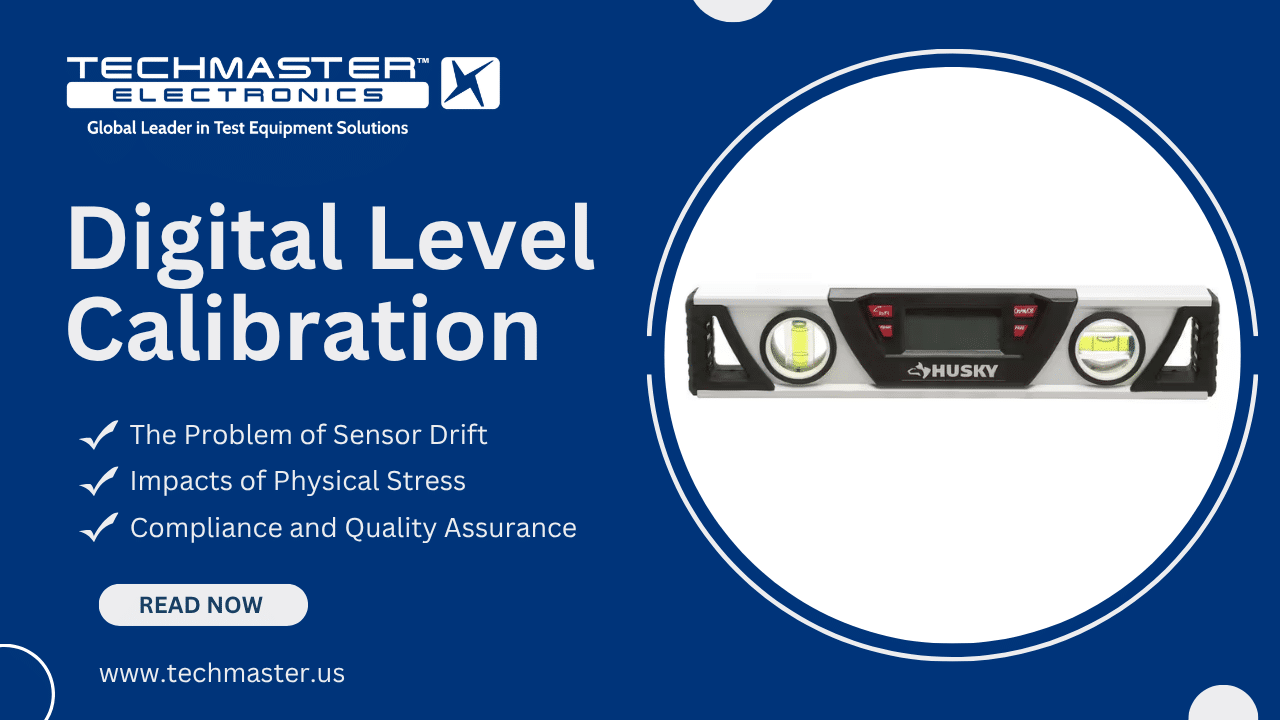
In the modern industrial landscape, precision defines the boundary between success and failure. Engineers and contractors rely heavily on accurate measurements to ensure structural integrity. Among various tools, the digital level has become an essential instrument for determining angular accuracy. However, even the most advanced equipment requires regular maintenance. Consequently, Digital Level Calibration stands as a critical process for any professional lab or construction firm. This guide explores why calibration is vital and how it protects your technical operations.
Ultimate Precision in Angular Measurement
Digital levels are only as reliable as their last calibration. Ensure your structural integrity and machine alignment with certified gravitational references.
1. Operating Principle of a Digital Level
From MEMS to Millidegrees
Digital levels utilize MEMS accelerometers. These micro-mechanical systems detect the slightest shift in gravitational pull, converting movement into electrical signals processed at micro-speeds.
Vertical Error (mm) over 10m
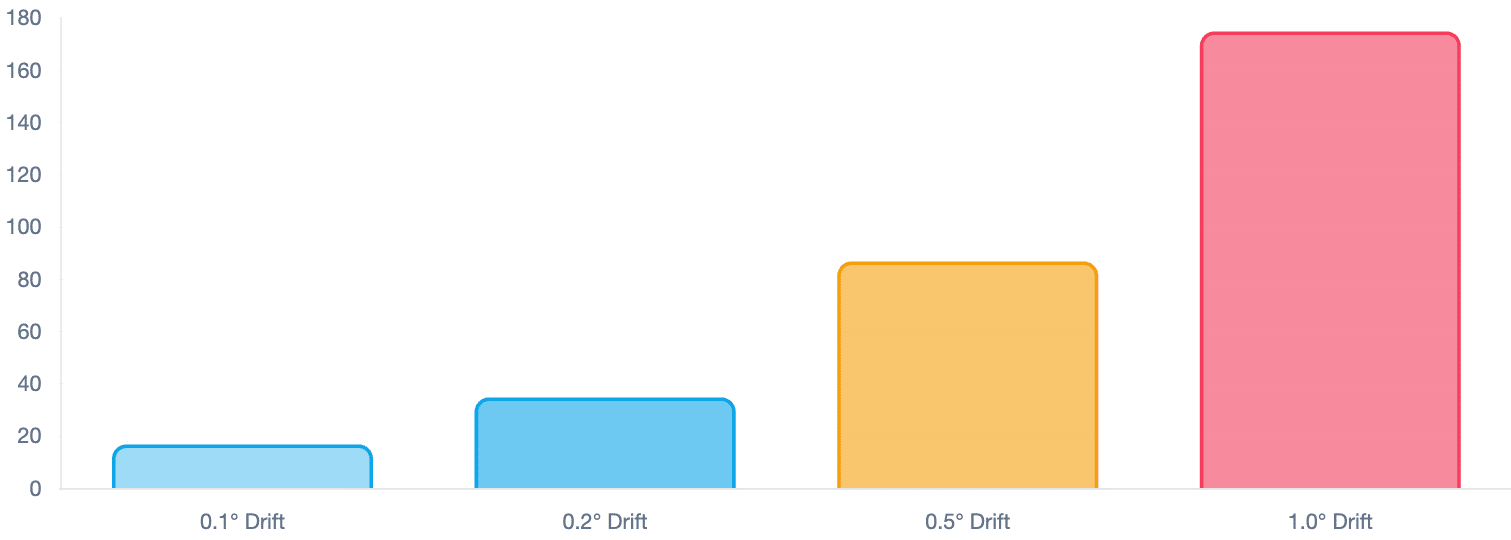
A digital level does not function like a traditional bubble vial. Instead, it utilizes high-tech internal components to detect orientation. Most modern devices contain MEMS (Micro-Electro-Mechanical Systems) accelerometers. Alternatively, some high-end models use liquid-filled capacitive sensors.
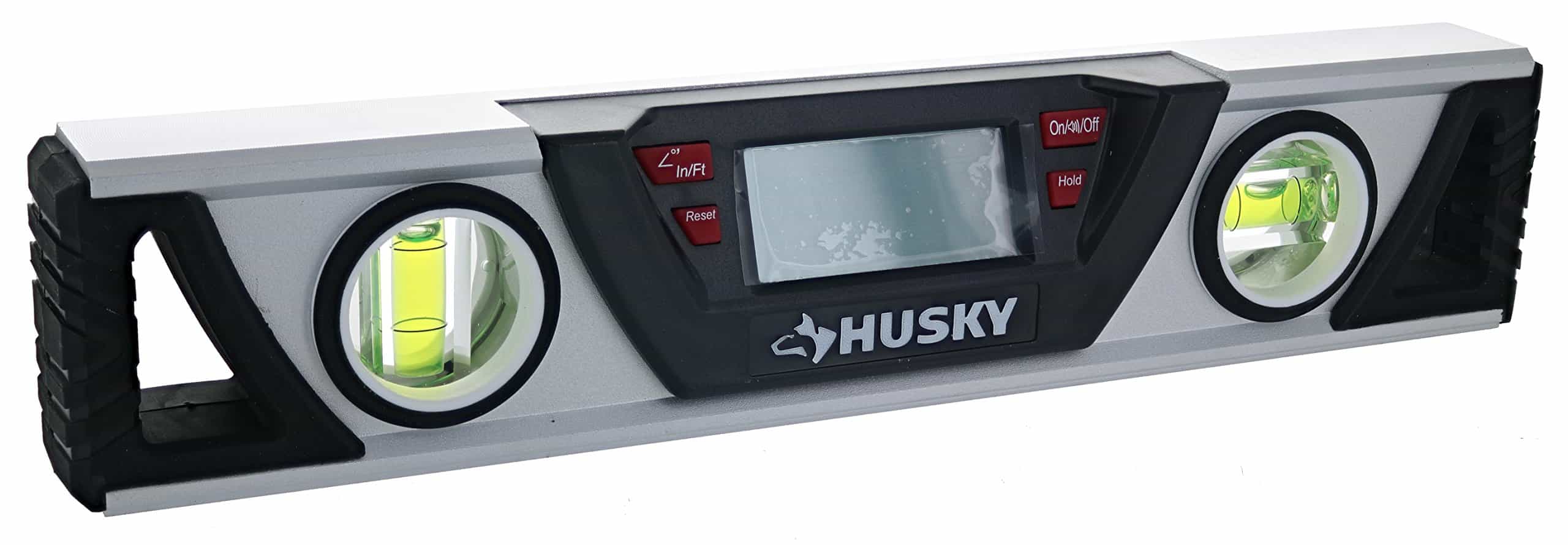
When you tilt the tool, these sensors detect the shift in gravitational force. Subsequently, the internal circuitry converts this physical change into a digital signal. A microprocessor then interprets this signal to show a numerical value on the display. Therefore, the device provides a much higher resolution than the human eye. Most digital levels can measure angles with an accuracy of 0.05°. However, this complex electronic process remains sensitive to external factors. For this reason, regular verification is necessary to maintain its high performance.
2. Critical Applications of Digital Levels
Structural Steel
ADA Compliance
Machine Setup
Solar Energy
Digital levels serve a wide range of mission-critical tasks. Their versatility makes them indispensable in many sectors.
2.1. Machine Tool and Equipment Leveling
In manufacturing, machines must sit perfectly level to operate correctly. For instance, a lathe that is not level will produce tapered parts. Similarly, milling machines require absolute balance to maintain surface finish quality. In addition, proper leveling prevents unnecessary wear on expensive bearings and drive systems.
2.2. Construction and Structural Engineering
Builders use digital levels to verify the plumb of vertical columns. Also, they ensure that horizontal floor beams follow the correct drainage slope. In high-rise construction, even a small error at the base leads to massive deviations at the top. Therefore, professionals rely on Digital Level Calibration to guarantee safety.
2.3. Accessibility Compliance (ADA Standards)
Inspectors frequently use digital levels to check wheelchair ramps. These ramps must strictly follow ADA (Americans with Disabilities Act) slope requirements. Specifically, the slope cannot exceed certain percentage limits. If the level is inaccurate, the ramp might fail inspection. Consequently, this leads to expensive reconstruction costs.
2.4. Renewable Energy: Solar Installations
Solar technicians use digital levels to set the tilt angle of photovoltaic panels. Because the sun’s position changes, the angle must be optimized for maximum efficiency. In this case, an accurate level helps maximize the return on investment for solar farms.
3. The Vital Role of Calibration
Eliminating Sensor Drift
Internal sensors lose accuracy due to temperature shifts or battery aging. Calibration resets the Zero-Reference, ensuring project reliability.
Many users ask why they need professional calibration if the tool “looks” fine. The answer lies in the nature of electronic sensors.
3.1. The Problem of Sensor Drift
Electronic components change over time. Specifically, temperature fluctuations cause internal parts to expand or contract. Additionally, humidity and aging affect the sensitivity of the MEMS sensors. This phenomenon is known as “sensor drift.” Eventually, the device will show a reading that deviates from the true horizontal plane.
3.2. Impacts of Physical Stress
Technicians often work in harsh environments. Consequently, digital levels may experience physical shocks or drops. While the outer casing might survive, the internal alignment may shift. Calibration identifies these hidden errors before they cause project failures.
3.3. Compliance and Quality Assurance
Most industrial contracts require traceable measurement data. Thus, you must prove that your tools meet specific standards. Digital Level Calibration provides an official certificate for your quality management system. In addition, it ensures your company remains compliant with ISO 9001 or ISO 17025 requirements.
4. The Calibration Process
Surface Prep
Device placed on a Grade A granite surface plate, the ultimate flat reference.
The Flip Test
Verifying 0° reference then rotating 180° to check for sensor symmetry.
Angular Sine
Testing accuracy at multiple angles using precision sine bars and heads.
Professional calibration involves comparing the device output against a primary standard in a controlled environment. Specifically:
-
Surface Plate Preparation: Technicians place the device on a Grade A granite surface plate.
-
Zero-Reference Alignment: The lab tests the unit at 0°. Then, they rotate it 180° to verify consistency via the “flip test.”
-
Angular Verification: Experts use precision sine bars to check accuracy at specific angles like 45° and 90°.
-
Environmental Stabilization: Performing tests at various temperatures ensures the sensor’s thermal compensation works correctly.
-
Certification: The lab issues a report with “As-Found” and “As-Left” data to confirm compliance with international standards.
5. Techmaster Electronics: Your Trusted Partner in Metrology
Selecting the right laboratory is essential for valid results. Techmaster Electronics stands as a leader in the metrology industry. We provide world-class Digital Level Calibration services for diverse clients.
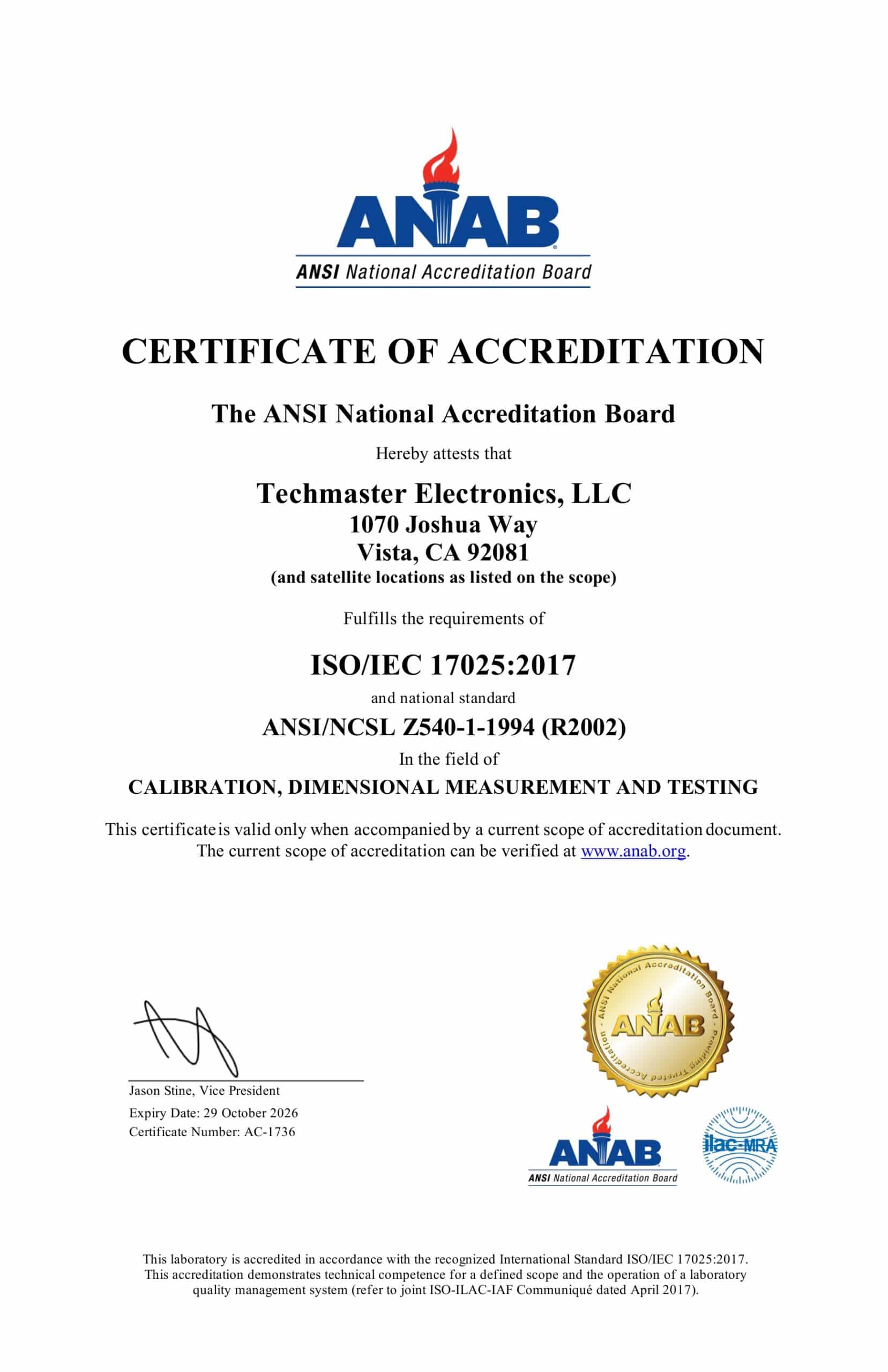
Our facilities hold ISO/IEC 17025 accreditation. This status ensures that our processes meet the highest international standards. Also, our technicians possess years of experience with various brands and models. We utilize the most precise master standards available today. Whether you need lab-based service or on-site calibration, we offer flexible solutions to fit your schedule.
Conclusion
Overall, a digital level is only as good as its last calibration. While these tools offer incredible convenience, they require professional attention to stay accurate. Digital Level Calibration protects your projects from expensive errors and safety risks. By partnering with a certified lab like Techmaster Electronics, you ensure your measurements remain beyond reproach. Invest in precision today to guarantee the quality of your work tomorrow.
Techmaster Electronics
Your most prestigious partner in metrology. We provide high-precision calibration for global manufacturing leaders.
Frequently asked questions
What is Digital Level Calibration?
How often should a Digital Level be calibrated?
What standards apply to Digital Level Calibration?
What is included on the certificate?
Can you calibrate the Digital Level on-site?
Need Digital Level calibration?
ANAB-accredited, NIST-traceable, fast turnaround, in-lab or on-site across the USA.
Contact us for a quoteReferences & industry standards
- ISO/IEC 17025 testing & calibration laboratory requirements
- NIST calibration services and measurement traceability
- A2LA / ANAB accreditation for calibration laboratories
External standards bodies. Techmaster Electronics is an ISO/IEC 17025-accredited, NIST-traceable calibration laboratory.

Khanh Nguyen is the Marketing Manager at Techmaster Electronics, a B2B marketing leader covering the test, measurement, and ISO/IEC 17025 accredited calibration industry across the US and Vietnam markets.