
How to Use a Source Measure Unit: Setup, Operation & Best Practices
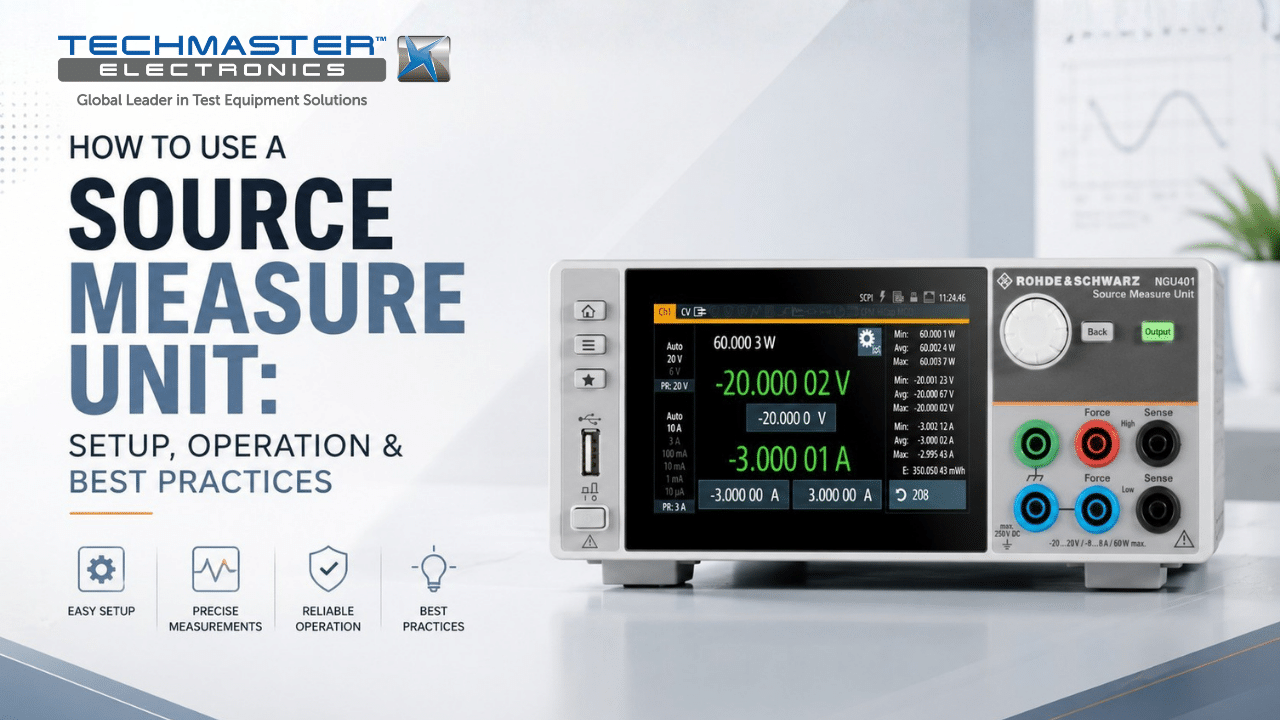
For test engineers, laboratory technicians, and product designers, understanding how to use a Source Measure Unit (SMU) is essential for evaluating semiconductor devices, sensors, and power components. Because an SMU can both source and measure electrical signals, it provides highly accurate IV characterization in a single instrument. However,incorrect setup can introduce voltage drops, thermal drift, or measurement errors. Therefore, proper configuration is essential for protecting sensitive devices under test (DUTs) and producing reliable measurement results.
1. Technical Principles: Understanding SMU Operation
How does a Source Measure Unit regulate voltage and current simultaneously?
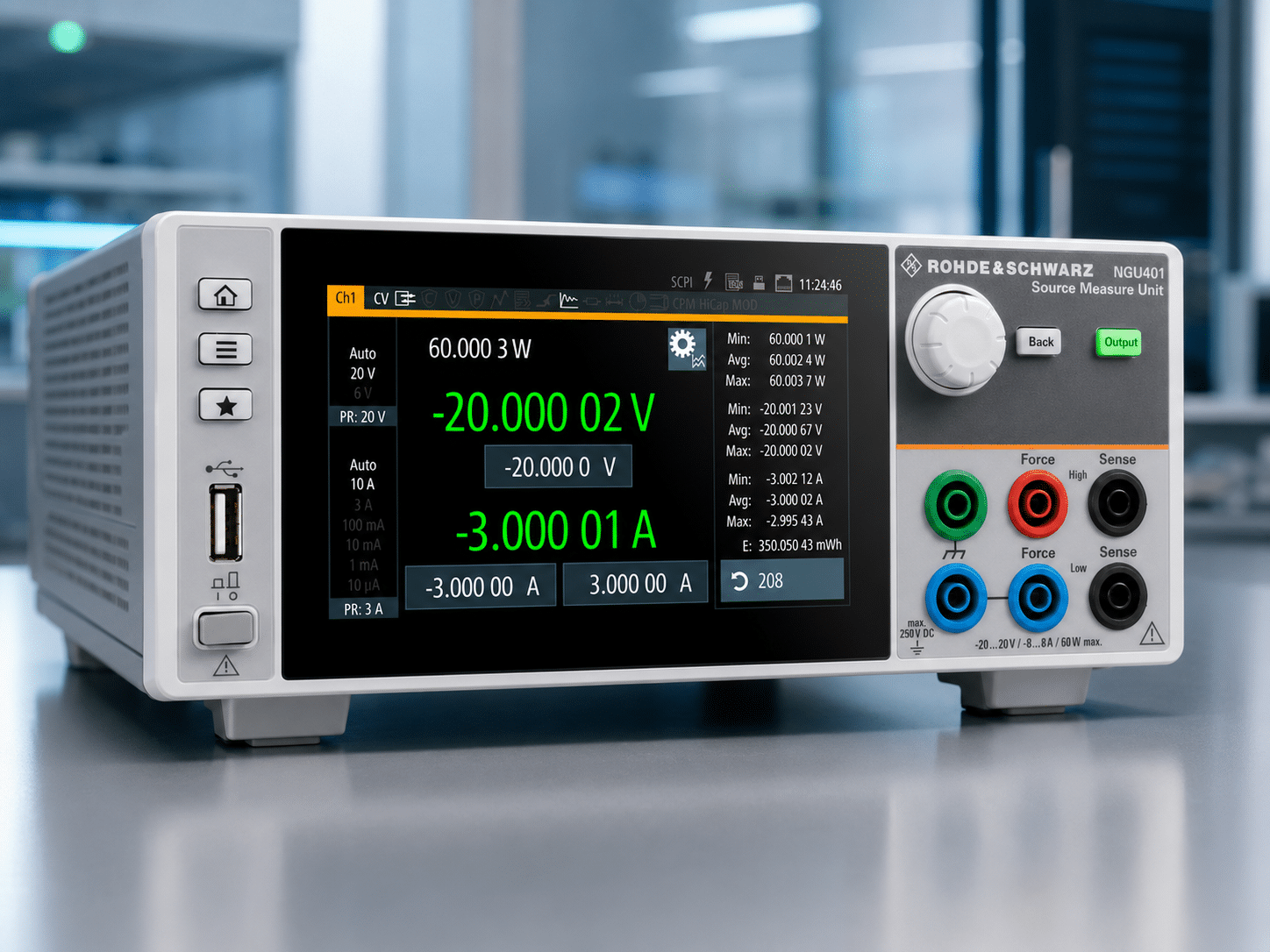
A Source Measure Unit combines the functions of a precision DC power supply and a digital multimeter in one instrument. First, it generates a controlled voltage or current output. Next, it measures the electrical response of the DUT in real time. Then, an internal feedback loop continuously adjusts the output to maintain the programmed value. As a result, the SMU delivers accurate sourcing and measurement at the same time.
1.1. Four-Quadrant Operation
First, an SMU operates in all four voltage-current quadrants. It can supply power to the DUT or absorb power from it. Therefore, engineers can evaluate charging, discharging, and bidirectional device behavior with a single instrument.
1.2. Compliance Limits
Next, users set current or voltage compliance limits before testing. These limits prevent excessive power from reaching the DUT. As a result, the SMU protects sensitive components from overheating or permanent damage.
1.3. 4-Wire (Kelvin) Sensing
Finally, the SMU supports four-wire (Kelvin) sensing for high-accuracy measurements. Separate Force and Sense leads measure voltage directly at the DUT terminals. Consequently, the system removes errors caused by cable resistance and improves measurement accuracy.
2. Industrial Applications: Where Precision Measurement Matters
In which industries is a Source Measure Unit essential?
Because modern electronic devices require highly accurate electrical testing, Source Measure Units are widely used in research, development, and manufacturing. In addition, engineers rely on SMUs whenever they need precise voltage sourcing and current measurement.
2.1. Semiconductor Manufacturing
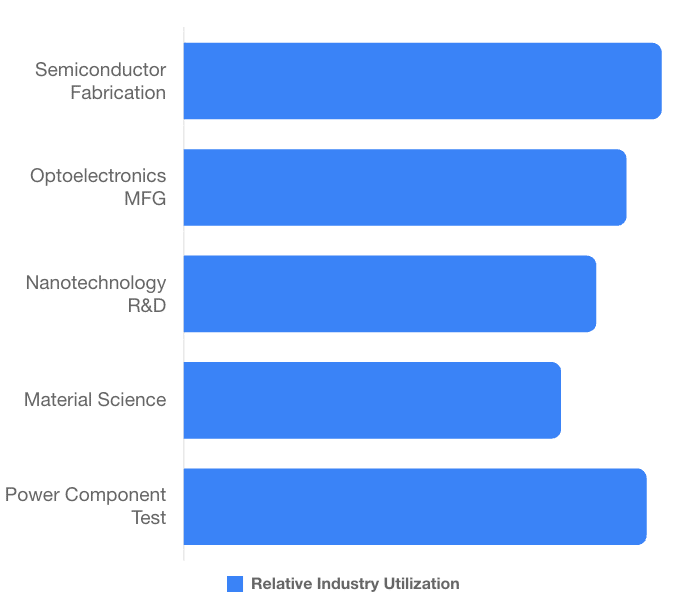
For example, semiconductor engineers measure leakage current, threshold voltage, and breakdown voltage for MOSFETs, GaN devices, SiC devices, and other power semiconductors. As a result, they can verify device performance before production.
2.2. Optoelectronics
Similarly, manufacturers test LEDs, laser diodes, and photovoltaic cells under different operating conditions. This process helps optimize efficiency and electrical performance.
2.3. Nanotechnology and Material Research
Furthermore, researchers use SMUs to evaluate carbon nanotubes, graphene, conductive polymers, and other advanced materials. Because these materials often operate at extremely low current levels, the SMU provides the stability required for accurate measurements.
3. The Calibration Pillar: ISO/IEC 17025 Compliance
Critical SMU Characterization Sectors
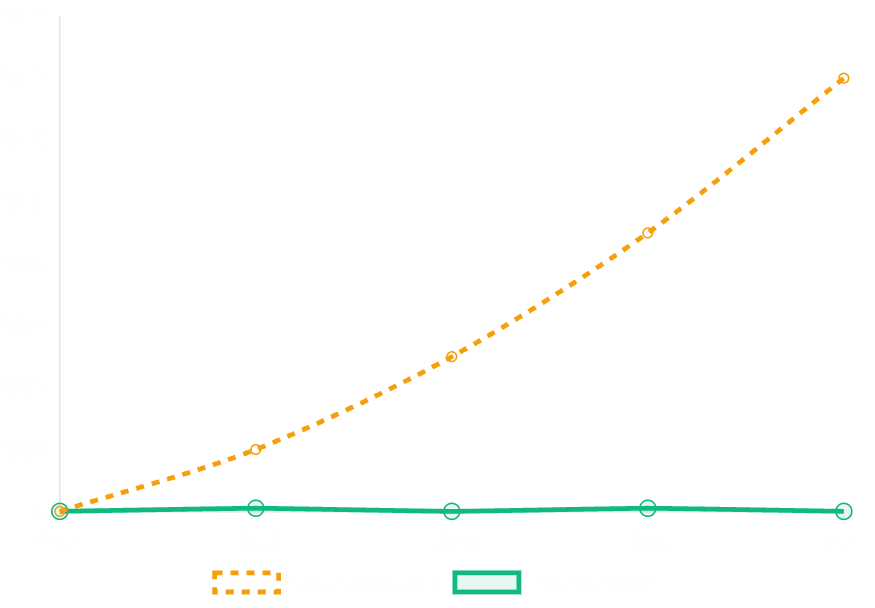
Sourcing Output Accuracy Drift (Uncalibrated)
Why is ISO/IEC 17025 calibration important for Source Measure Units?
Even with the correct setup, an SMU gradually changes over time. For example, aging electronic components and temperature changes can affect DACs, ADCs, and measurement amplifiers. Consequently, sourcing accuracy and measurement accuracy may no longer meet the manufacturer’s specifications. Therefore, regular ISO/IEC 17025 calibration verifies both sourcing and measurement performance using NIST-traceable standards. In addition, accredited calibration provides documented measurement uncertainty and complete calibration records. As a result, laboratories can support customer audits, regulatory inspections, and quality management requirements with confidence.
4. How-To: Setting Up and Operating Your Source Measure Unit
How to prepare and perform precision IV measurements?
- Initialize and Warm Up: First, turn on the SMU and allow it to warm up for approximately 30 to 60 minutes. During this time, the internal circuits reach thermal stability, which improves measurement repeatability.
- Configure the Sensing Mode: Next, select four-wire (Kelvin) sensing whenever you measure low resistance or high current. This configurationremoves errors caused by lead resistance and improves overall accuracy.
- Set the Source Parameters: Then, select the primary source mode, either voltage or current. After that, define the sweep type, such as linear, logarithmic, or pulsed, according to your test requirements.
- Configure Compliance Limits: Before enabling the output, set the maximum current or voltage compliance limit. This step protects the DUT from excessive electrical stress.
- Connect the DUT: Next, connect the DUT using appropriate fixtures and triaxial cables whenever ultra-low current measurements are required. In addition, verify that all connections are secure before starting the test.
- Run the Measurement: Finally, enable the output, perform the programmed sweep, and monitor the IV curve in real time. Then, save the measurement data for further analysis and reporting.
Techmaster US: Expert Metrology Services
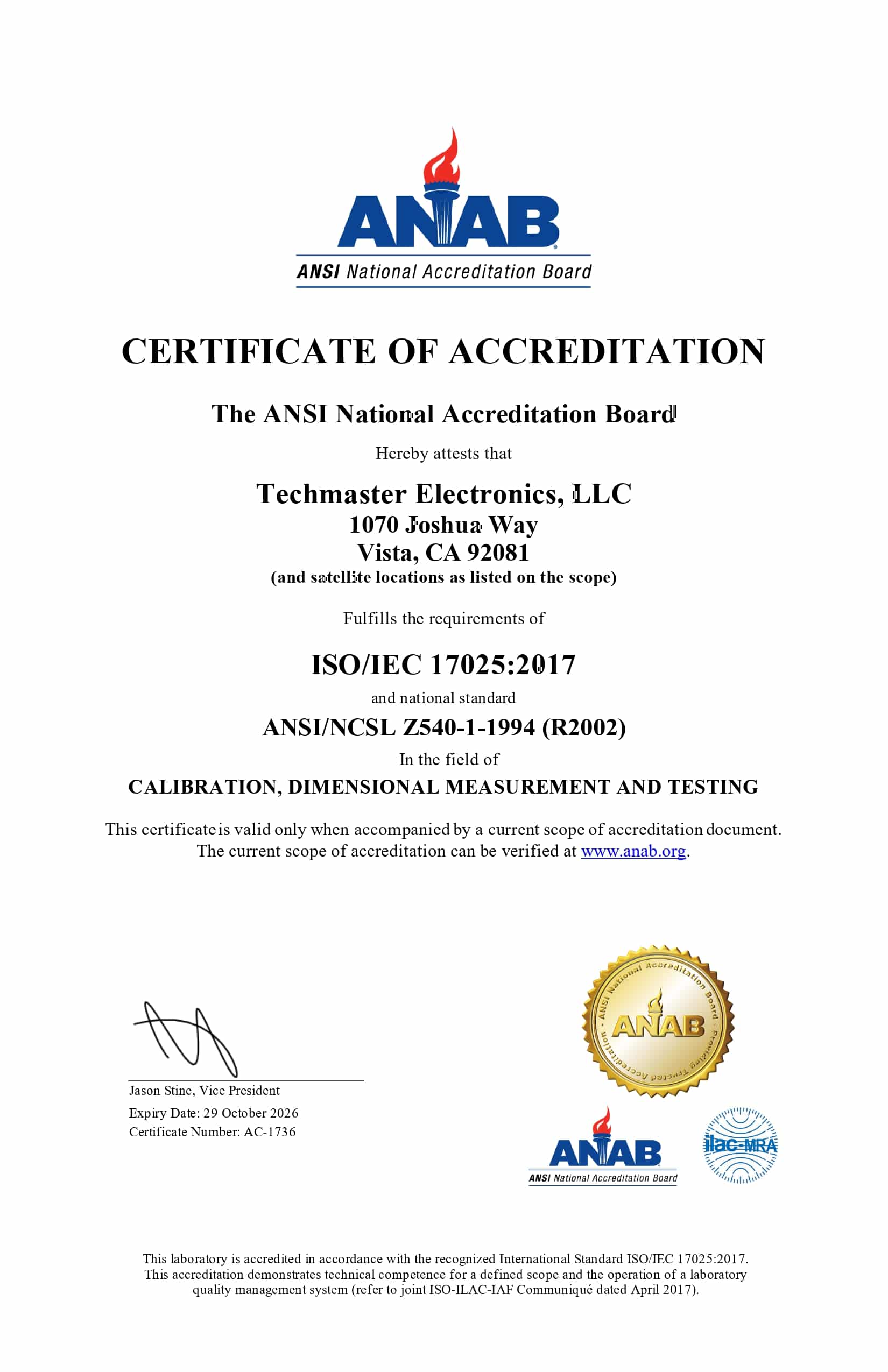
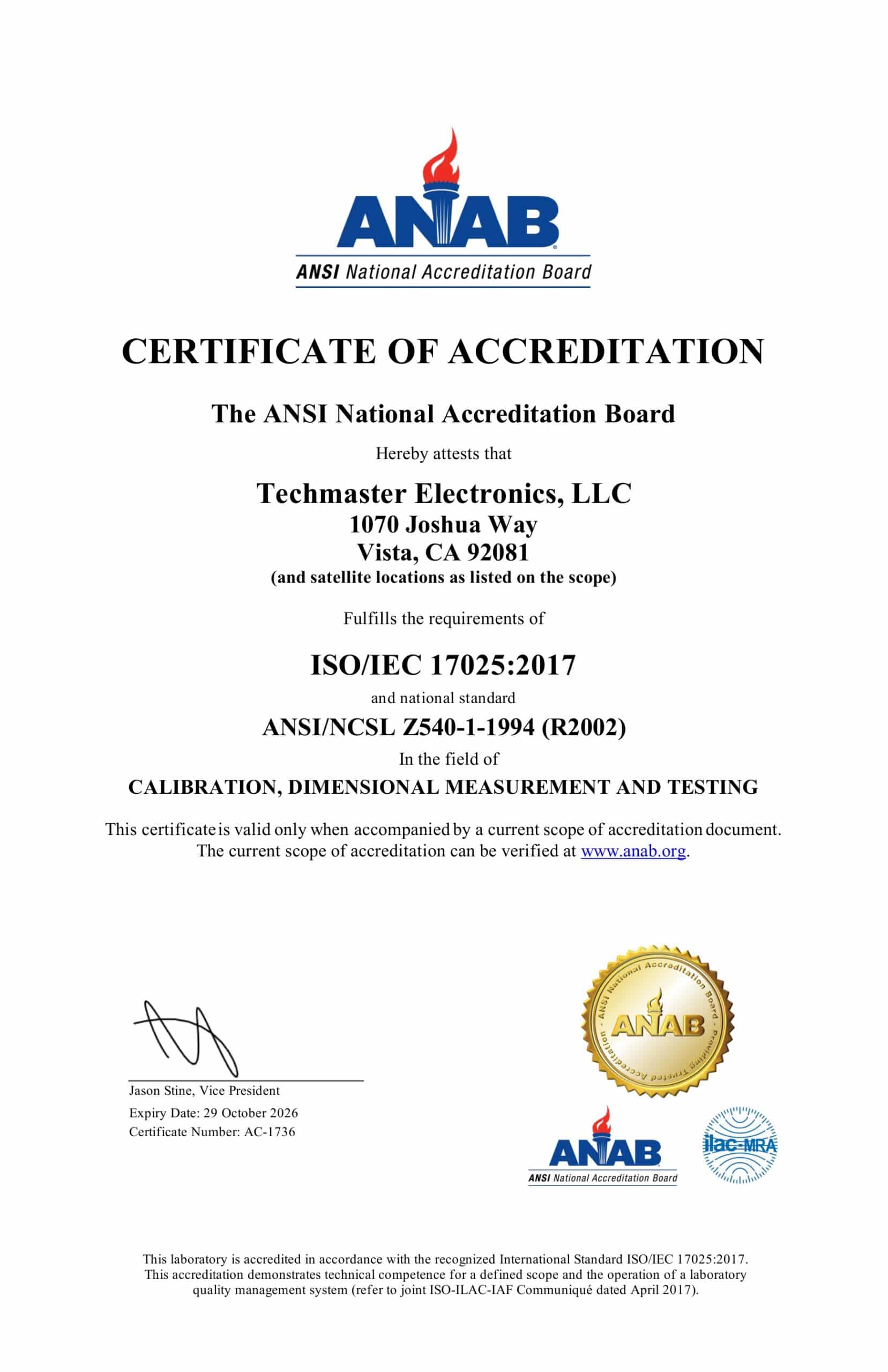
Techmaster Electronics, LLC is an ISO/IEC 17025 accredited calibration laboratory (ANAB cert AC-1736). Today, we provide high-accuracy electrical calibration for Source Measure Units and other electronic test equipment.
Moreover, our calibration services use NIST-traceable standards to verify instrument performance across multiple voltage and current ranges. We also provide laboratory and on-site calibration services, helping customers reduce equipment downtime while maintaining compliance.
Why Trust Techmaster US?
- Full ISO/IEC 17025 Accreditation: First, every calibration follows the ANAB AC-1736 quality framework. Therefore, customers receive reliable and internationally recognized calibration results.
- On-Site Calibration Services: Next, our engineers perform calibration directly at your facility whenever required. As a result, production interruptions remain minimal.
- Broad Technical Expertise: Finally, we support electrical, dimensional, thermodynamic, and physical calibration services. Therefore, customers can simplify equipment management by working with a single calibration provider.
Contact Techmaster US today to discuss your calibration requirements and develop a maintenance plan that keeps your equipment accurate and compliant.
Frequently Asked Questions (FAQs)
1. How do I choose between 2-wire and 4-wire sensing?
In general, use two-wire sensing when lead resistance has little effect on the measurement. However, choose four-wire (Kelvin) sensing for low-resistance or high-current applications. As a result, the measurement becomes more accurate.
2. What is current compliance?
Current compliance is a programmable safety limit. When the DUT reaches the current limit, the SMU automatically controls the output to protect the device. Therefore, compliance settings help prevent damage during testing.
3. Why are triaxial cables recommended?
Because triaxial cables include a driven guard, they reduce leakage current and electrical noise. Consequently, they improve the accuracy of picoampere-level measurements.
4. How often should a Source Measure Unit be calibrated?
In most cases, annual calibration is sufficient for general industrial use. However, semiconductor production, aerospace testing, and other critical applications often require calibration every six months to maintain measurement accuracy.
The SMU Operational Blueprint
Precision DC sourcing meets digital multimeters. Mastering Source Measure Units (SMU) for semiconductor, optoelectronic, and nanotechnology characterization.
CONTACT USReferences & industry standards
- ISO/IEC 17025 testing & calibration laboratory requirements
- NIST calibration services and measurement traceability
- A2LA / ANAB accreditation for calibration laboratories
External standards bodies. Techmaster Electronics is an ISO/IEC 17025-accredited, NIST-traceable calibration laboratory.
Frequently asked questions
What is source measure unit calibration?
Source Measure Unit Calibration is the documented comparison of a source measure unit against NIST-traceable reference standards under ISO/IEC 17025. It quantifies the source measure unit’s error and measurement uncertainty and confirms it performs within tolerance, with as-found and as-left data on the certificate.
How often should a source measure unit be calibrated?
Most quality systems calibrate a source measure unit every 12 months, or sooner after repair, overload, or before critical measurements. Set your interval from the manufacturer spec and your ISO 9001 / 13485 / AS9100 program and drift history.
Is Techmaster’s source measure unit calibration ISO 17025 accredited?
Yes. Techmaster Electronics is ISO/IEC 17025:2017 accredited by ANAB (Certificate AC-1736). Every source measure unit calibration is NIST-traceable and issued with a full measurement-uncertainty budget.
What is the turnaround for source measure unit calibration?
Standard turnaround is 5 business days, with 1–2 business-day expedite available. On-site calibration removes shipping time entirely for source measure units that can’t leave the floor.
Do you calibrate source measure units on-site or in-lab?
Both. Techmaster runs five US labs (Vista CA, Santa Clara CA, Orlando FL, San Antonio TX, Holly Springs NC) and offers nationwide on-site source measure unit calibration to minimize downtime.

Khanh Nguyen is the Marketing Manager at Techmaster Electronics, a B2B marketing leader covering the test, measurement, and ISO/IEC 17025 accredited calibration industry across the US and Vietnam markets.