
Reference Thermometer Calibration
Why calibration intervals matter
How Reference Thermometer calibration works
- Intake & visual inspection
- Environmental stabilization
- As-found measurement
- Comparison to NIST-traceable standards
- Adjustment if required
- As-left results & certificate
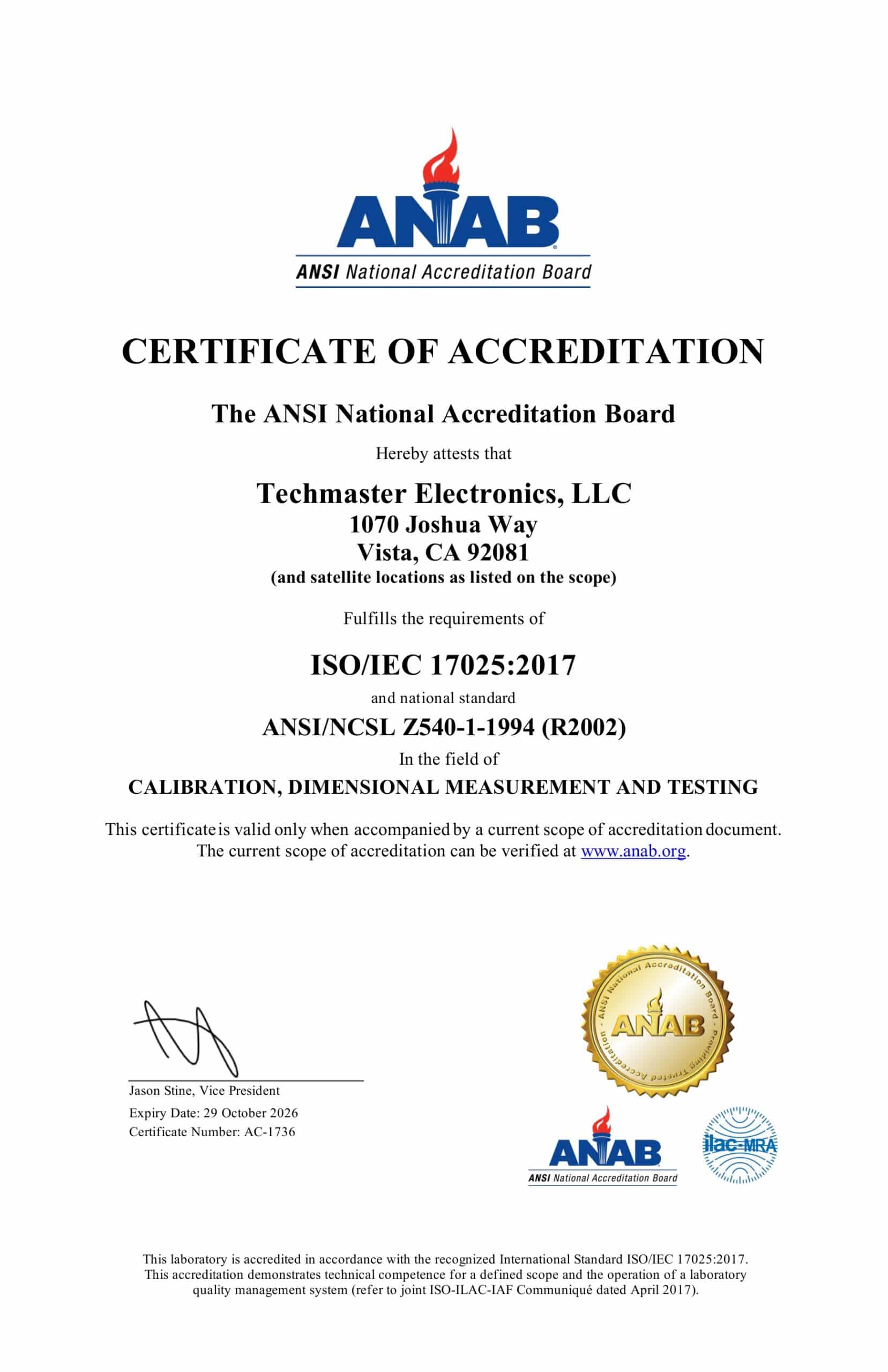
Your calibration, covered
In-lab vs on-site calibration
In-lab calibration
- Accredited bench with full reference standards
- Best achievable measurement uncertainties
- Pickup & return logistics handled
- Ideal for precision and reference work
On-site calibration
- We calibrate the Reference Thermometer at your facility
- No shipping risk or transit downtime
- As-found data captured before any move
- Ideal for fixed, large or sensitive assets
In-depth guide
Reference Thermometers: The Ultimate Standard and the Critical Necessity of Reference Thermometer Calibration

In industries requiring absolute precision, such as pharmaceuticals, food production, and scientific research, a minor temperature deviation can lead to the disposal of an entire batch worth millions of dollars. A Reference Thermometer serves as the “supreme” device used to verify the accuracy of every other temperature sensor in a system. However, a reference instrument is only as valuable as its confirmed reliability. Consequently, the Reference Thermometer Calibration process is the most vital link in the chain of international traceability.
1. What is a Reference Thermometer and Why Does it Stand Out?
First, we must distinguish between a standard thermometer and a reference thermometer. A reference instrument is designed for extreme stability and exceptionally low “drift” over time.
Typically, these devices utilize high-quality Platinum Resistance Thermometers (PRTs/RTDs) or high-grade Thermistors. They provide not only measurement but also a high resolution of up to 0.01°C or even better. However, regardless of how sophisticated their construction is, sensor components remain vulnerable to thermal shock and physical aging. Therefore, periodic Reference Thermometer Calibration is the only way to determine systematic error and ensure the device continues to operate within its specified tolerance.
Measurement Traceability Chain
2. Practical Applications of Reference Thermometers in Key Industries
Pharmaceutical & Vaccines
Food Safety (HACCP)
Laboratory & R&D
In‑house Calibration
A reference thermometer is more than just a measurement tool; it is a guarantee of quality and safety.

2.1. Pharmaceutical Industry and Vaccine Storage
In pharmaceutical manufacturing, maintaining temperatures in vaccine cold chains (typically between 2°C and 8°C) is extremely strict. Engineers use Reference Thermometers to verify and re-calibrate automated temperature monitoring systems. Accurate results from a reference device ensure that product efficacy remains intact, thereby protecting consumer health.
2.2. Food Industry and HACCP Standards
Furthermore, in the food industry, controlling Critical Control Points (CCPs) requires high-precision thermometers for core product measurements. The Reference Thermometer acts as the “umpire” to check the handheld thermometers used daily by Quality Control (QC) staff. This practice helps businesses strictly comply with international food safety standards.
2.3. Laboratory Research and Scientific Studies
In research institutes, Reference Thermometer calibrate thermal baths, ovens, and other experimental equipment. In temperature-sensitive chemical reactions, the accuracy of the temperature determines the success or failure of the entire research project.
2.4. Internal Factory Calibration
Instead of sending hundreds of sensors to external labs, many facilities own a Reference Thermometerthat has undergone Reference Thermometer Calibration. They use this tool to perform periodic on-site checks. This strategy saves costs and significantly reduces equipment downtime for the enterprise.
3. Why Reference Thermometer Calibration is Mandatory
Metrological Performance Analysis

A common misconception is that a “reference” device never fails or drifts. In reality, Reference Thermometer Calibration is a vital process for several reasons:
-
Ensuring Traceability: Calibration links your measurements to national or international standards (such as NIST). Without a calibration certificate, the readings from a reference device hold no legal or professional standing during quality audits.
-
Identifying Sensor Drift: Over time, the crystalline structure of the platinum in the sensor changes due to exposure to high temperatures or mechanical vibration. Periodic calibration detects this drift trend before it exceeds allowable limits.
-
Mitigating Operational Risk: An inaccurate Reference Thermometer will result in the incorrect calibration of every other device beneath it. This is a dangerous systematic error that can lead to massive financial losses.
-
Optimizing Production Processes: By knowing the exact error of the device through a calibration certificate, technicians can apply an “offset” to achieve the most accurate real-world measurement possible.
4. The Professional Laboratory Calibration Procedure
Reference Thermometer Calibration Workflow
STEP 4
A standard Reference Thermometer Calibration is performed in a strictly controlled environment using the comparison method:
-
Thermal Stabilization: First, the thermometer is placed in a stable temperature environment, such as a high-precision oil bath or a dry-well calibrator.
-
Comparison Against Higher Standards: Technicians compare the reading of the device under test with a higher-level standard (such as a Standard Platinum Resistance Thermometer – SPRT) that has at least four times the accuracy.
-
Multi-point Testing: Calibration typically occurs at 3 to 5 temperature points across the device’s range (e.g., -20°C, 0°C, 50°C, 100°C, and 150°C).
-
Uncertainty Calculation: In addition to recording errors, the lab calculates “Measurement Uncertainty” to provide a comprehensive view of the measurement’s reliability.
-
Certification: Finally, the lab issues a detailed report and applies a calibration sticker to the device.
5. Maintenance Tips to Preserve Reference Accuracy
After your Reference Thermometer Calibration, follow these best practices to protect the instrument:
-
Avoid Thermal Shock: Do not move a sensor from extreme heat to extreme cold instantly. This can crack the sensor or permanently alter its characteristics.
-
Protect Against Vibration and Impact: Reference instruments are highly sensitive to shock. Always store the device in a specialized padded carrying case.
-
Keep the Probe Clean: Ensure the probe is free of oil, grease, or corrosive chemicals to maintain the best possible thermal conductivity.
Conclusion
In summary, a Reference Thermometer is the “lighthouse” for all temperature measurement activities within an organization. However, its value only truly exists when supported by a professional Reference Thermometer Calibration process. Investing in periodic calibration is not just about regulatory compliance; it is the highest commitment a business can make to product quality and consumer safety. Let precision guide your path to sustainable success.
Frequently asked questions
What is Reference Thermometer Calibration?
How often should a Reference Thermometer be calibrated?
What standards apply to Reference Thermometer Calibration?
What is included on the certificate?
Can you calibrate the Reference Thermometer on-site?
Need Reference Thermometer calibration?
ANAB-accredited, NIST-traceable, fast turnaround — in-lab or on-site across the USA.
Contact us for a quoteReferences & industry standards
- ISO/IEC 17025 testing & calibration laboratory requirements
- NIST calibration services and measurement traceability
- NIST Thermodynamic Metrology Group
- A2LA / ANAB accreditation for calibration laboratories
External standards bodies. Techmaster Electronics is an ISO/IEC 17025-accredited, NIST-traceable calibration laboratory.

Khanh Nguyen is the Marketing Manager at Techmaster Electronics, a B2B marketing leader covering the test, measurement, and ISO/IEC 17025 accredited calibration industry across the US and Vietnam markets.