
Top 10 Brands of Insulation Resistance Tester in the US (2026 Buyer’s Guide)
Electrical failures routinely cause costly downtime, severe equipment damage, and serious safety hazards. Consequently, engineers and maintenance teams must continuously monitor the condition of electrical insulation. Measuring insulation resistance accurately prevents unexpected breakdowns and ensures operational safety. However, finding the right tool requires navigating a crowded market of test and measurement equipment.
To help you make an informed decision, this guide explores the best insulation resistance tester brands available today. Furthermore, we will discuss why calibration is absolutely critical for these high-voltage instruments. Whether you work in aerospace, manufacturing, or power generation, maintaining reliable measurement equipment ultimately protects your workforce and your bottom line.
1. What Is an Insulation Resistance Tester (Megohmmeter)?
An insulation resistance tester, commonly known as a megohmmeter, is a specialized instrument used to verify the condition of electrical wire insulation. Specifically, the device applies a high DC voltage to a conductor and measures the resulting current leakage through the insulation.
Because ideal insulation allows zero current to pass, a perfectly insulated system would show infinite resistance. In reality, all insulation degrades over time due to heat, moisture, environmental stress, and chemical exposure. Therefore, a megohmmeter detects these subtle drops in resistance. By identifying early signs of degradation, technicians can proactively schedule maintenance before a catastrophic short circuit occurs.
2. Why the Best Insulation Resistance Tester Brands Matter
Accuracy stands as the cornerstone of electrical testing. If a tester provides inconsistent or inaccurate readings, technicians might pass faulty cables or unnecessarily replace healthy motors. Thus, selecting one of the top megohmmeter brands ensures high reliability and repeatability.
Premium brands design their instruments to withstand harsh industrial environments. Moreover, top-tier manufacturers build their equipment to meet strict international safety ratings (such as CAT III or CAT IV). Ultimately, high-quality instruments reduce operational risks, support compliance audits, and guarantee that safety standards are consistently met.
3. Top 10 Brands of Insulation Resistance Tester in the US
The 2026 Buyer’s Guide to Top 10 Brands
When evaluating electrical testing equipment, several manufacturers consistently lead the market in accuracy, durability, and innovation. Here is the buyer’s guide to the top 10 brands in the United States.
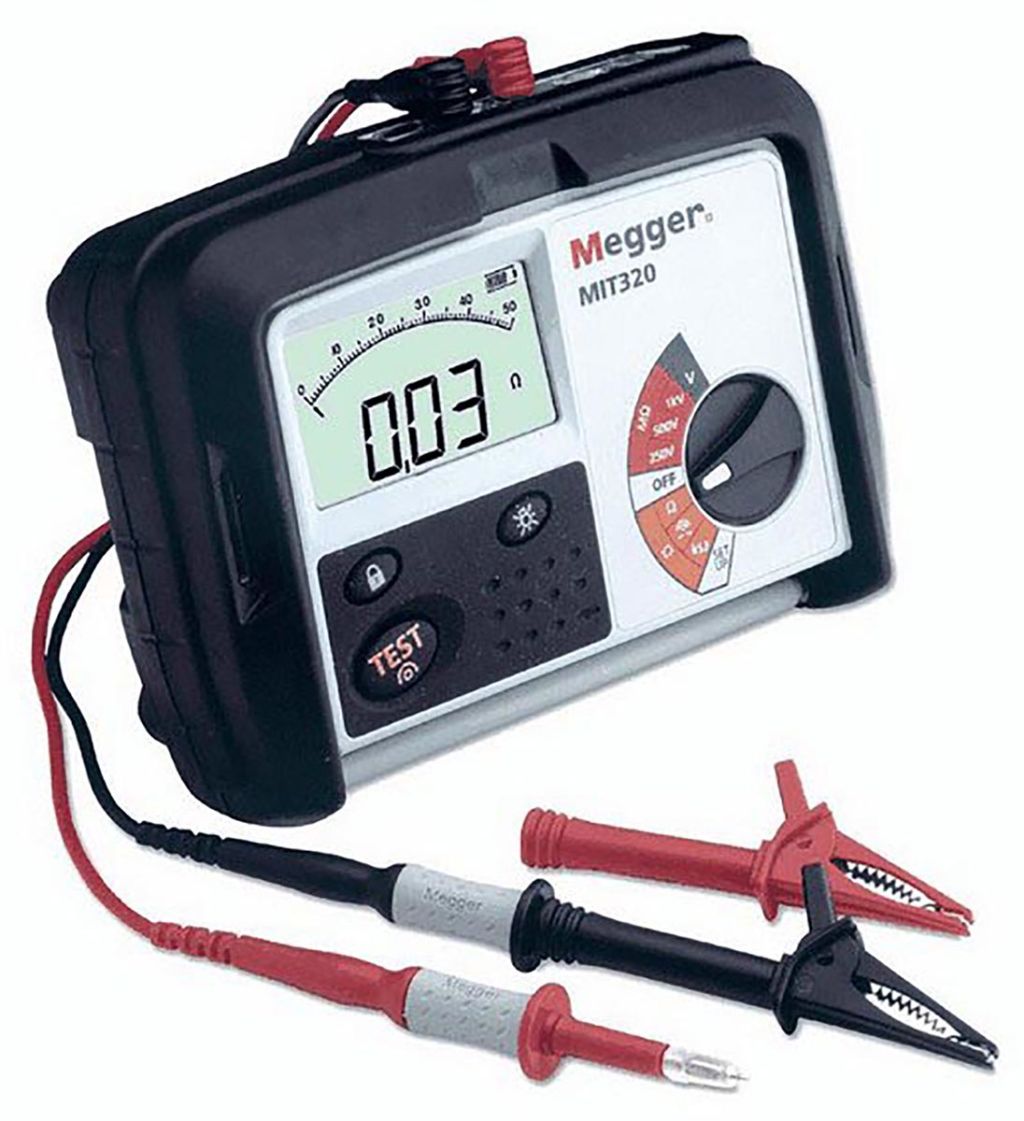
Megger
Megger essentially invented the insulation testing category. Consequently, their name remains synonymous with megohmmeters. They offer exceptionally rugged, high-voltage testers ideal for utility substations and heavy industrial applications.
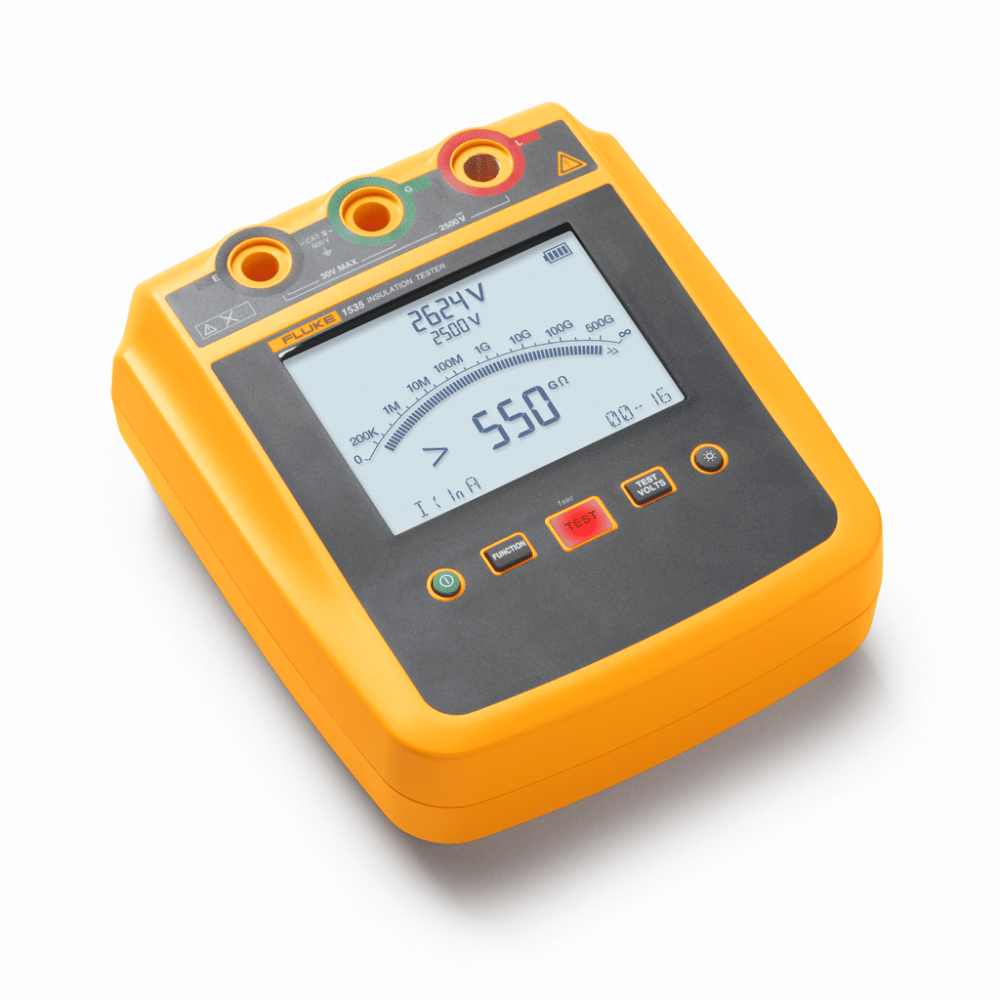
Fluke
Fluke dominates the general test and measurement market. Specifically, their insulation testers combine multimeter functionality with high-voltage testing. Technicians prefer Fluke for its intuitive interfaces, robust build quality, and excellent portable designs.
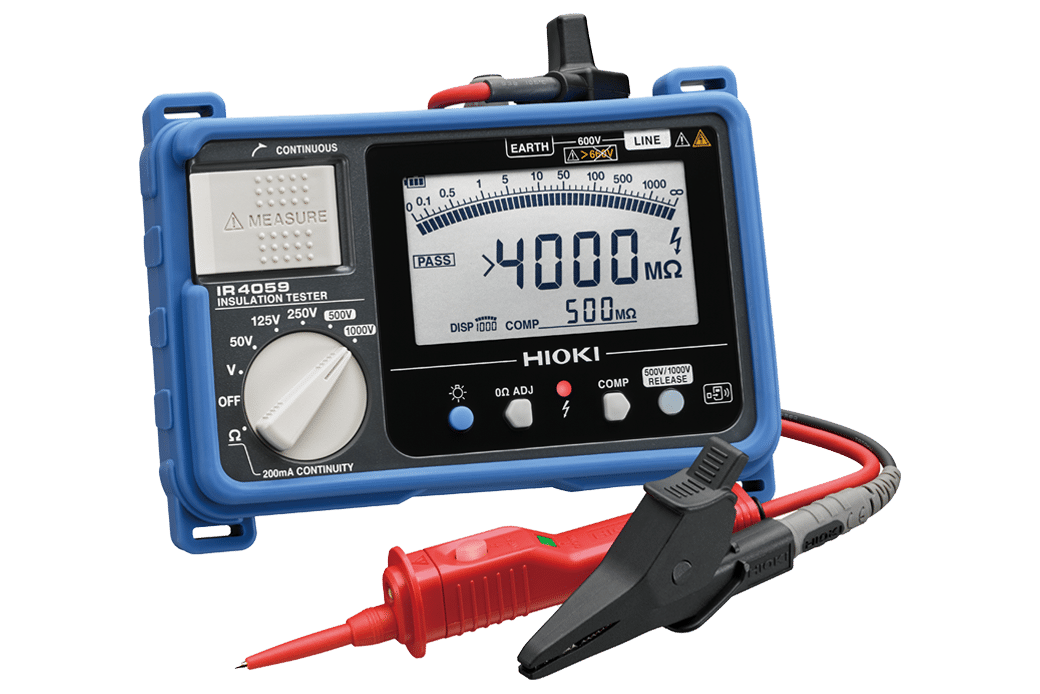
Hioki
Hioki produces highly precise and reliable electrical testing instruments. Furthermore, their insulation testers feature rapid response times and advanced digital displays. They are particularly popular in the manufacturing and renewable energy sectors.
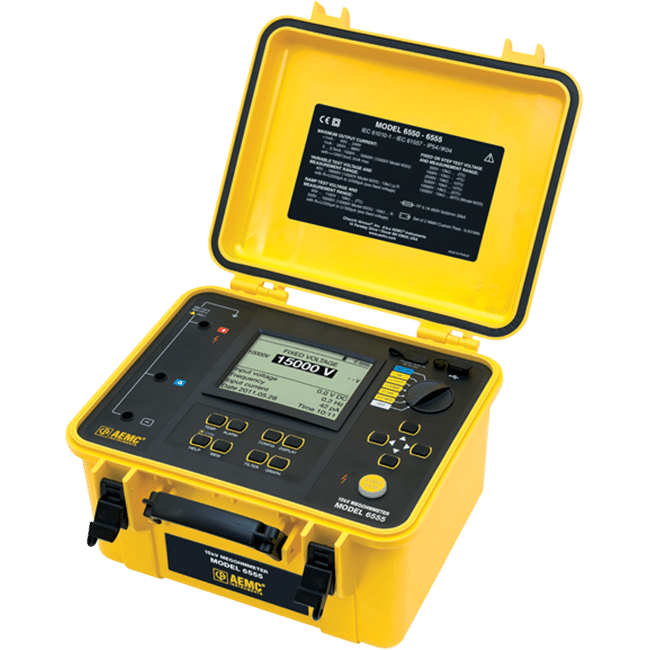
AEMC Instruments
AEMC provides comprehensive solutions for power quality and insulation testing. Notably, their megohmmeters offer advanced diagnostic features, such as Polarization Index (PI) and Dielectric Absorption Ratio (DAR) automated calculations.
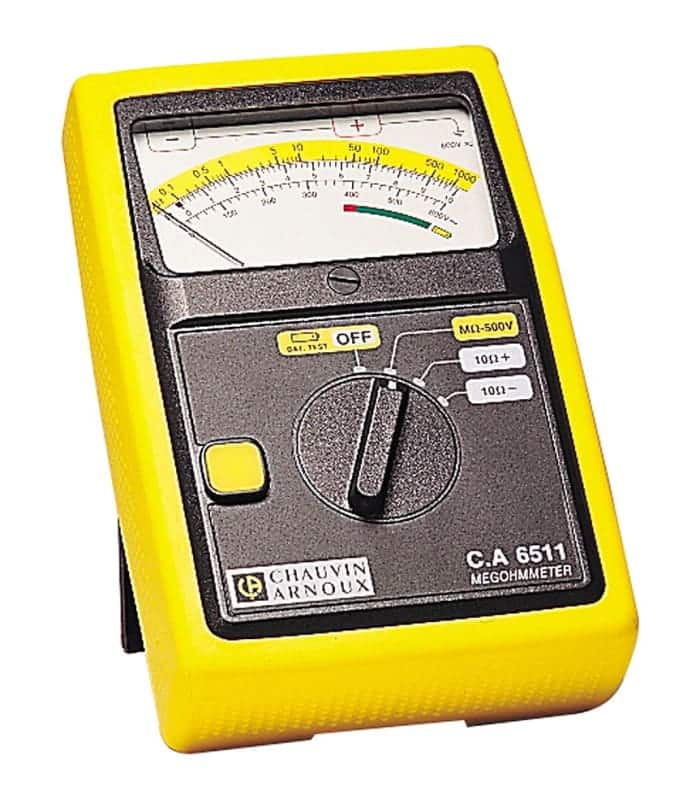
Chauvin Arnoux
As the parent company of AEMC, Chauvin Arnoux delivers world-class European engineering. Therefore, their tools are renowned for exceptional accuracy and ruggedness, making them perfect for demanding field service environments.
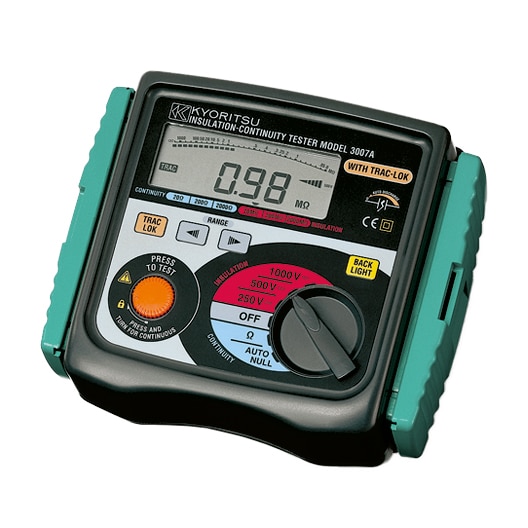
Kyoritsu
Kyoritsu specializes in electrical testing equipment that balances cost with high performance. Generally, their insulation testers are compact, lightweight, and highly dependable for everyday commercial electrical inspections.
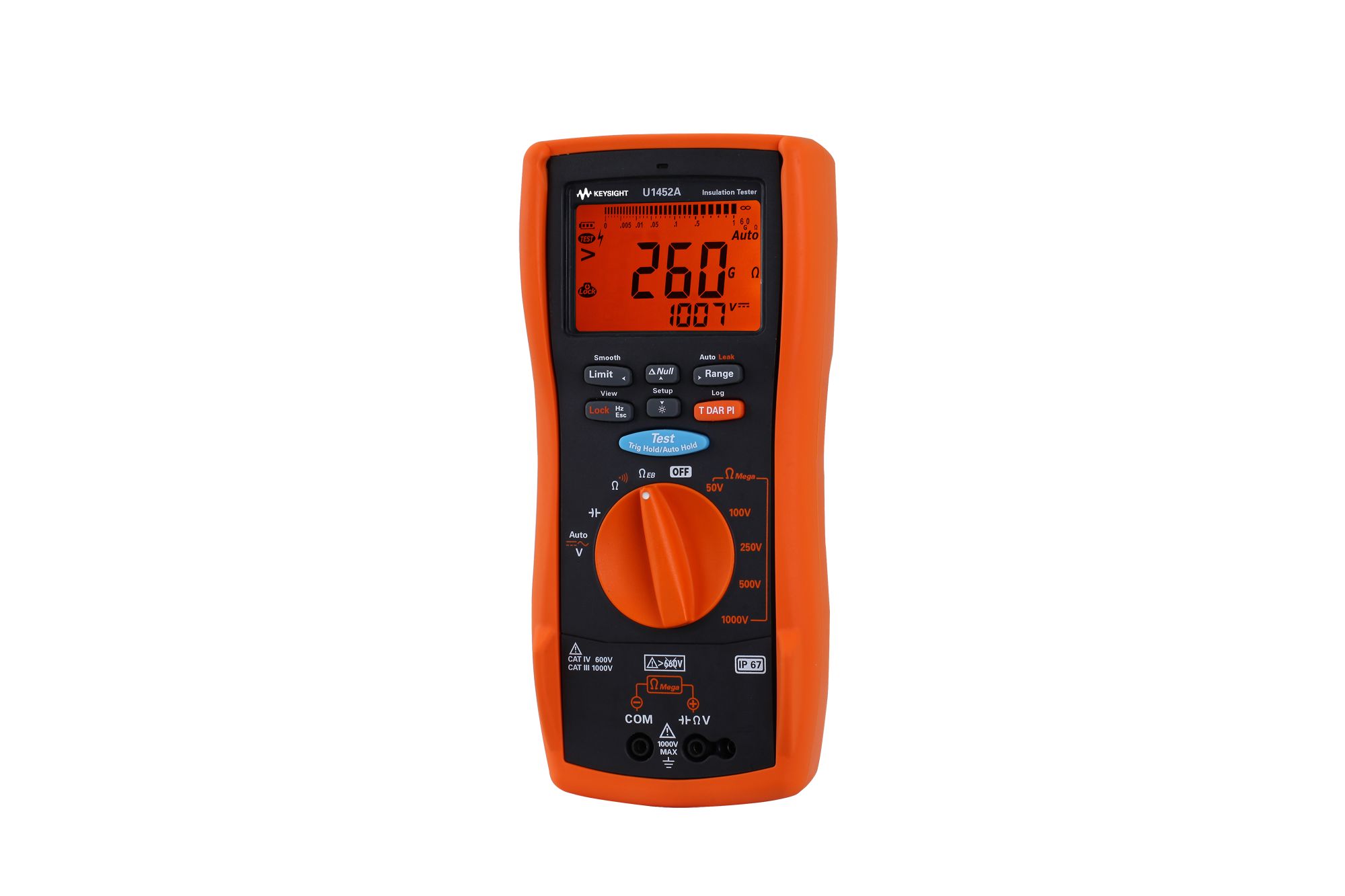
Keysight Technologies
Keysight caters heavily to laboratory and benchtop applications. While they focus less on rugged field tools, their precision industrial insulation resistance testers remain unmatched for aerospace and electronic component manufacturing.
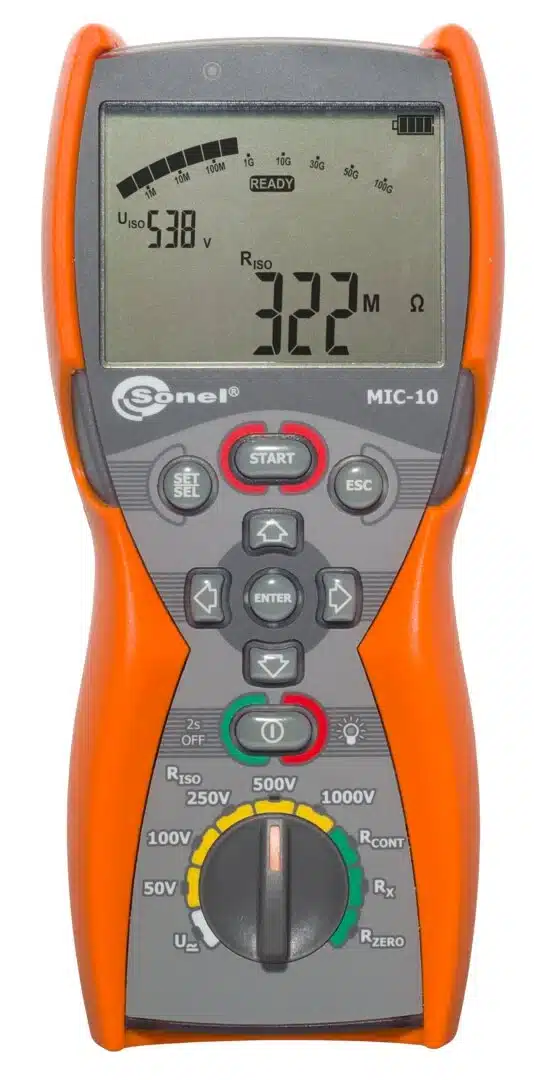
Sonel
Sonel has rapidly gained traction in the US market. Specifically, they manufacture heavy-duty testers capable of delivering up to 15kV. Therefore, utility companies frequently choose Sonel for testing massive transformers and high-voltage cables.
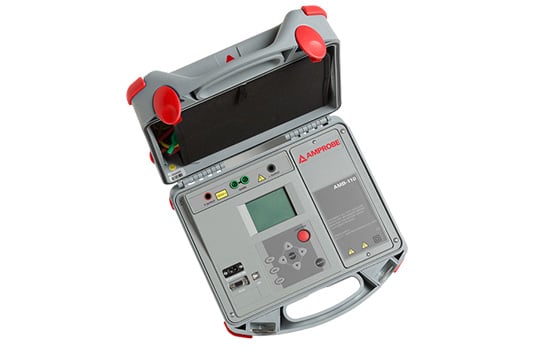
Amprobe
Amprobe, a Fluke brand, offers budget-friendly yet highly reliable insulation testers. Consequently, they serve as an excellent choice for residential electricians and light commercial maintenance teams who need dependable daily tools.
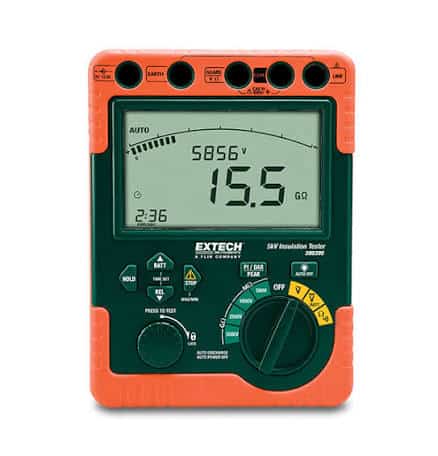
Extech Instruments
Extech provides versatile and affordable test equipment. Typically, their insulation testers include combination features, integrating seamlessly into the toolbags of HVAC technicians and facility maintenance professionals.
4. Common Applications
Professionals across diverse industries rely heavily on insulation resistance testers. Generally, these tools verify the safety and integrity of critical electrical infrastructure.
-
Motor and Generator Maintenance: Technicians measure winding insulation to predict motor failure. Consequently, this prevents unexpected factory shutdowns.
-
Cable and Wiring Inspections: Contractors test newly installed cables to ensure insulation was not damaged during the pulling process.
-
Transformer Testing: Utility workers evaluate transformer health by measuring the insulation between coils.
-
Aerospace and Defense: Engineers verify the intricate wiring harnesses within aircraft to prevent catastrophic in-flight electrical failures.
-
Pharmaceutical Manufacturing: Maintenance teams ensure that production equipment remains electrically safe, thereby preventing costly batch contamination caused by power faults.
5. Calibration Standards and Traceability
The Critical Need for Routine Verification
Even the most premium equipment requires routine verification. Over time, internal components drift, causing measurement inaccuracies. Therefore, regular insulation tester calibration remains essential for maintaining compliance.
Addressing Component Drift
High-voltage output and sensitive resistance measurement circuits naturally drift. Routine calibration detects these unseen measurement inaccuracies before they compromise your electrical safety inspections.
ISO/IEC 17025 Accreditation
Laboratories must utilize ISO/IEC 17025 accredited procedures to calibrate these devices. This global standard guarantees technical competence and strict environmental controls during testing.
NIST Traceability & Uncertainty
A proper calibration laboratory uses NIST-traceable calibration standards to verify both the voltage output and resistance measurement accuracy. Furthermore, the certificate must explicitly document measurement uncertainty.
The Unbroken Chain of Traceability
This unbroken chain proves to auditors that your equipment measures exactly what it claims to measure.
6. Common Issues Found During Calibration
During routine calibration, metrologists frequently discover hidden problems within electrical testing equipment. Identifying these issues early prevents dangerous field errors.
-
Output Voltage Drift: The tester may fail to generate the full requested voltage. Consequently, it cannot properly stress the insulation, leading to false “pass” results.
-
Leakage Current in Test Leads: Worn or dirty test leads can create parallel resistance paths. Thus, the instrument displays a lower resistance value than the actual system possesses.
-
Battery Degradation: Low battery voltage often affects the internal voltage multiplier. Therefore, the device struggles to maintain a stable high-voltage output during extended tests.
-
Mechanical Wear: Rotary switches and input jacks wear out from frequent field use. Consequently, this causes intermittent electrical connections inside the meter.
-
Environmental Contamination: Dust and moisture can infiltrate the casing. Eventually, this internal contamination creates tracking paths that skew the instrument’s zero-point calibration.
7. How Often Should This Equipment Be Calibrated?
Calibration intervals depend on several crucial factors. However, the industry standard for an insulation resistance tester is a 12-month calibration cycle.
If the instrument operates in harsh environments—such as high humidity, extreme temperatures, or dusty manufacturing plants—managers should consider a 6-month interval. Additionally, organizations must consult the original manufacturer’s recommendations. Ultimately, your internal quality system and ISO compliance requirements will dictate the exact calibration frequency needed to maintain a safe working environment.
8. What to Look for in a Calibration Provider
Even the most premium equipment requires routine verification. Over time, internal components drift, causing measurement inaccuracies. Therefore, regular insulation tester calibration remains essential for maintaining compliance.
ISO/IEC 17025 Accreditation
Laboratories must utilize ISO/IEC 17025 accredited procedures to calibrate these devices. This ensures technical competence and strict environmental controls during testing.
NIST Traceability & Uncertainty
A proper calibration laboratory uses NIST-traceable standards to verify voltage output and resistance accuracy. The certificate must document measurement uncertainty.
Component Drift vs. Periodic Correction
Routine verification actively eliminates cumulative drift before safety tolerances are breached.
9. Equipment Rental Services from Techmaster
Sometimes, purchasing a high-end megohmmeter does not make financial sense. For instance, if you only need the equipment for a short-term project or an annual facility shutdown, buying a $5,000 tester is inefficient.
Alternatively, Techmaster Electronics offers flexible test equipment rental services. Renting allows you to access the best insulation resistance tester brands without the heavy capital investment. Furthermore, every rented instrument arrives fully calibrated and ready for immediate use. Consequently, you save money, eliminate maintenance costs, and guarantee measurement accuracy for your critical projects.
10. Why Choose Techmaster Electronics?
Techmaster Electronics stands as a premier partner for industrial quality assurance and metrology. With decades of experience, we support aerospace companies, medical device manufacturers, and electronic production facilities across the US.
We maintain robust ISO/IEC 17025 accreditations, ensuring that every calibration meets the highest international standards. Moreover, our highly trained technicians understand the complex nuances of electrical testing equipment. Whether you need NIST-traceable calibration, equipment repairs, or short-term rentals, we deliver precise, reliable, and swift solutions. Ultimately, partnering with Techmaster Electronics guarantees that your measurement instruments remain accurate, compliant, and ready for the field.
11. Conclusion
Monitoring electrical insulation is absolutely vital for industrial safety and operational reliability. By investing in the best insulation resistance tester brands, companies can accurately predict failures before they happen. However, even top-tier equipment loses accuracy over time. Therefore, maintaining strict calibration intervals through an ISO/IEC 17025 accredited laboratory ensures continuous compliance and safety. Keep your equipment accurate, and your facility will run smoothly.
12. FAQ Section
Ready to secure your measurement accuracy?
Contact Techmaster Electronics today to discuss your calibration requirements and keep your measurement equipment accurate, reliable, and compliant.

Calibration engineer at Techmaster Electronics, ISO/IEC 17025 accredited laboratory with 35+ years of metrology expertise.