
Insulation Resistance Tester Buying Guide: How to Choose an Insulation Resistance Tester
Electrical safety and operational reliability depend heavily on accurate measurements. Motor failures, cable breakdowns, and electrical fires often start with degrading insulation. Therefore, industrial maintenance teams need the right tools to catch these issues early.
If you are currently wondering how to choose an insulation resistance tester, this comprehensive guide will help. We will cover equipment types, essential features, applications, and strict calibration requirements. Consequently, you can ensure your electrical testing remains accurate, safe, and fully compliant with industry standards.\
1. What Is an Insulation Resistance Tester?
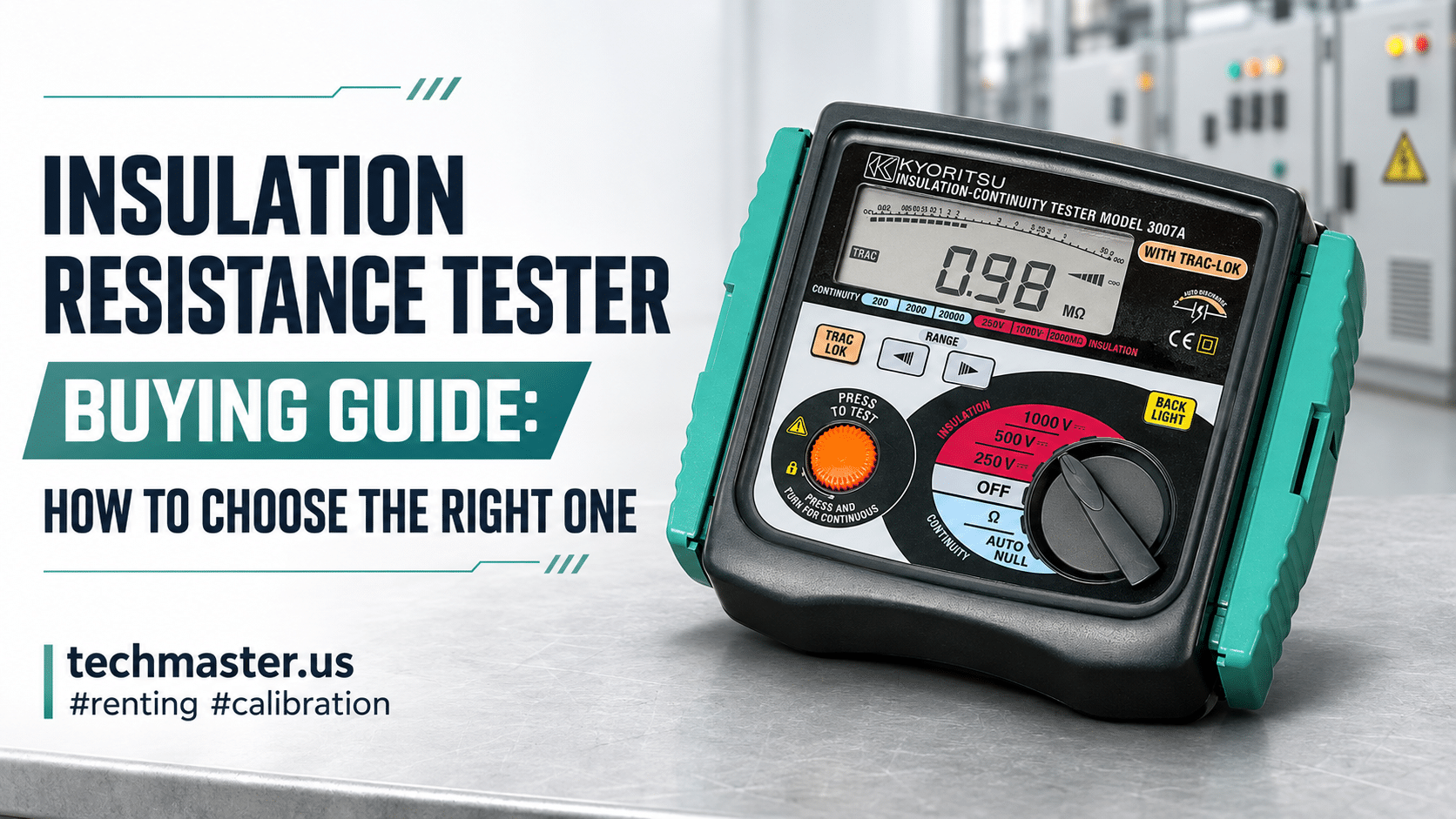
An insulation resistance tester is a highly specialized electrical instrument. Industry professionals often call this device a megohmmeter. Unlike standard digital multimeters, this tool applies a high DC voltage to an electrical system.
It uses this high voltage to safely measure insulation resistance across wires, motor windings, and transformers. Over time, heat, moisture, and vibration naturally degrade electrical insulation. This degradation causes tiny leakage currents. An insulation resistance tester detects these invisible leakage currents. As a result, maintenance engineers can spot potential failures long before catastrophic breakdowns occur.
2. Why Knowing How to Choose an Insulation Resistance Tester Matters
Selecting the correct instrument is not just a matter of convenience. It directly impacts workplace safety and measurement accuracy.
First, using an incorrect test voltage can permanently damage sensitive electronic circuits. Second, a poor choice puts technicians at significant risk of electrical shock. Furthermore, strict compliance standards demand specific test voltages and highly accurate readings.
Proper testing protocols drastically reduce risks. They prevent costly operational downtime and dangerous arc flash incidents. Therefore, choosing the right model ensures maximum safety and continuous operational reliability for your facility.
3. Common Applications
Many different industries rely on these critical devices daily. Without reliable electrical testing equipment, modern facilities would struggle to maintain continuous production.
-
Manufacturing Facilities: Technicians use testers to verify the health of industrial motor windings.
-
Aerospace Companies: Engineers test miles of complex aircraft wiring to ensure flight safety.
-
Power Utilities: Field workers check high-voltage transformers and switchgear continuously.
-
Commercial Facilities: Maintenance crews perform routine preventative maintenance on HVAC systems and electrical panels.
In all these scenarios, accurate measurements prevent sudden equipment failures.
4. Key Features to Consider (Megohmmeter Buying Guide)
Key Technical Specifications
When evaluating the market, you must look at specific technical specifications. Not all testers are created equal. Focus on these five critical areas:
Output Voltages
Measurement Range
Safety Ratings
Top Industry Brands
Data Logging & Connectivity
5. Equipment Rental Services from Techmaster
Sometimes, you only need a specialized megohmmeter for a short-term project. Purchasing expensive, high-end equipment is not always the most cost-effective business decision.
Techmaster Electronics offers highly flexible equipment rental services. This program allows you to utilize premium, fully calibrated testers without any massive upfront capital expenses. You can test different models before committing to a final purchase. Consequently, your engineering team always gets the absolute best tools exactly when they need them.
6. Calibration Standards and Traceability
Even the highest quality tester naturally drifts over time. Therefore, regular insulation tester calibration is strictly required.
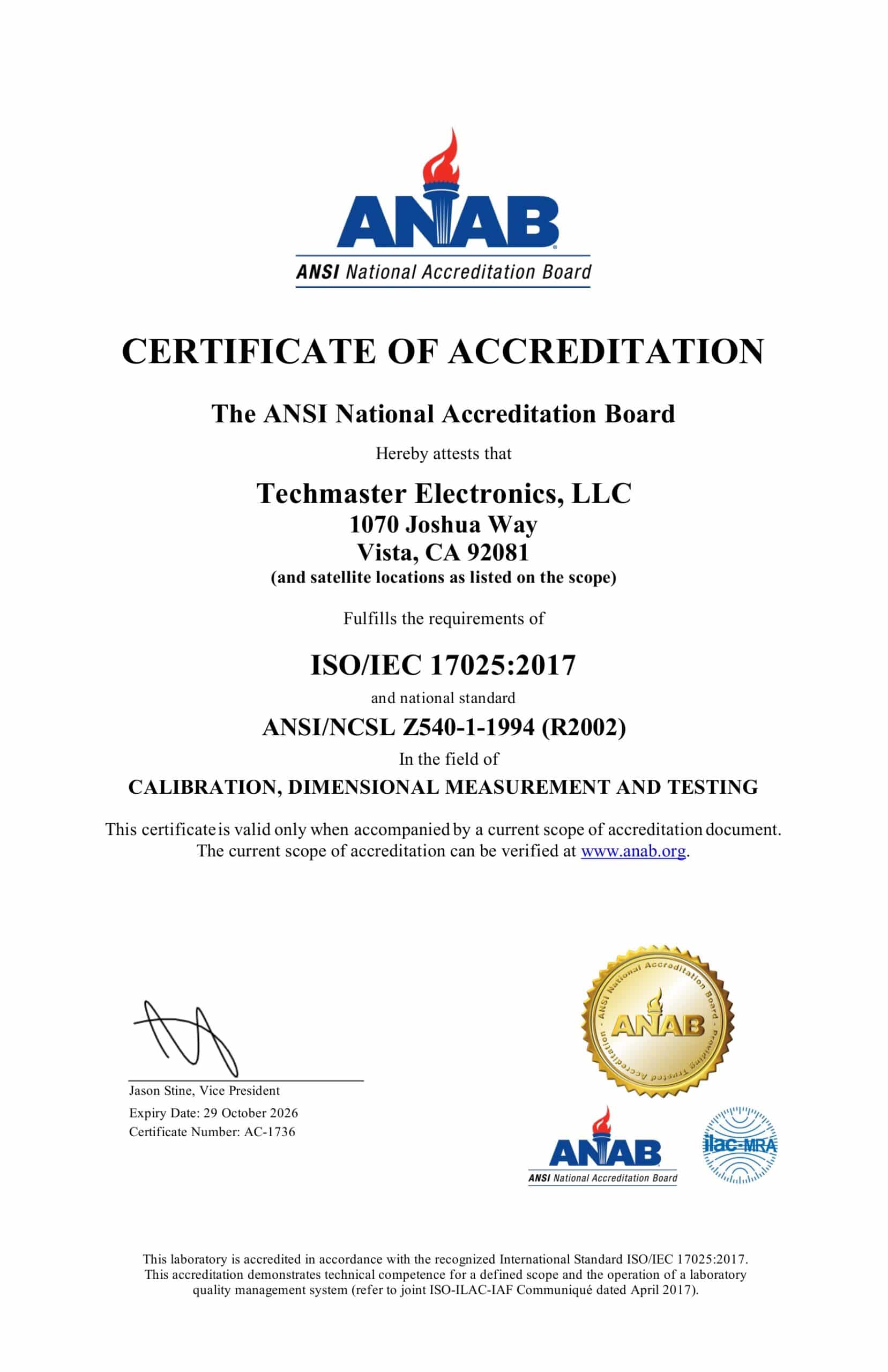
ISO/IEC 17025 accredited calibration ensures fundamental measurement accuracy. NIST-traceable certificates provide documented, undeniable proof of compliance. During calibration, metrologists must calculate and report the exact measurement uncertainty. This mathematical process guarantees your tester precisely meets all original equipment manufacturer (OEM) specifications. Ultimately, traceability protects your company during rigorous quality audits.
7. Common Issues Found During Calibration
Metrology labs frequently discover several common problems during routine calibration cycles.
-
Component Drift: Internal resistors and capacitors age over time. This aging causes noticeable reading shifts.
-
Voltage Output Drops: The internal power supply may fail to generate the required high voltages accurately.
-
Leakage Current Errors: Dirt and internal contamination can severely affect sensitive high-resistance readings.
-
Mechanical Wear: Test leads and jacks wear out from heavy field abuse. This wear artificially increases resistance measurements.
Professional calibration catches these hidden issues before they cause costly false readings in the field.
8. How Often Should This Equipment Be Calibrated?
Determining the Correct Calibration Interval
Calibration intervals depend heavily on several operational factors. Consistent and documented calibration is absolutely essential for long-term audit success and safety compliance.
The Industry Standard
Generally speaking, an annual calibration cycle (every 12 months) serves as the baseline industry standard for equipment kept in good condition.
Harsh Industrial Environments
However, harsh environments require more frequent checks. Heavy daily usage in dirty, humid conditions might dictate a strict six-month interval.
OEM & Internal Guidelines
Always consult your specific manufacturer recommendations. Additionally, you must review your internal quality management guidelines to ensure full compliance.
Calibration Frequency Timeline
12 Months
6 Months
3 – 6 Months
9. What to Look for in a Calibration Provider
Choosing the right calibration laboratory is just as important as choosing the tester itself.
First, the provider must hold active ISO/IEC 17025 accreditation. Next, you must carefully review their scope of accreditation. Ensure their lab is officially approved for high DC voltages and high resistance values.
Furthermore, consider the average turnaround time. Faster service minimizes your operational downtime. You should also demand detailed, highly readable calibration certificates. Finally, reliable laboratories offer strong technical customer support when your instruments unexpectedly fail calibration.
10. Why Choose Techmaster Electronics?
Techmaster Electronics is a premier Calibration service provider serving the United States. We have decades of extensive experience with electronic test equipment, metrology, and industrial quality assurance.
Our accredited laboratories deliver fully NIST-traceable, ISO/IEC 17025 certified results. We understand the stringent demands of aerospace, manufacturing, and pharmaceutical industries. We offer fast turnarounds, reliable customer support, and comprehensive equipment rental options. Therefore, you can implicitly trust our team to support your most critical quality assurance goals.
11. Conclusion
Selecting the correct insulation resistance tester guarantees workplace safety, regulatory compliance, and accurate preventative maintenance. However, purchasing the right tool is only the first step.
Regular, accredited calibration keeps that instrument highly accurate and perfectly reliable over its lifespan. Whether you need to buy a new tester, rent equipment for a project, or calibrate your existing fleet, professional support is vital.
12. FAQ Section

Calibration engineer at Techmaster Electronics, ISO/IEC 17025 accredited laboratory with 35+ years of metrology expertise.