
Megger vs Fluke Insulation Resistance Tester: Which Brand Is Better? 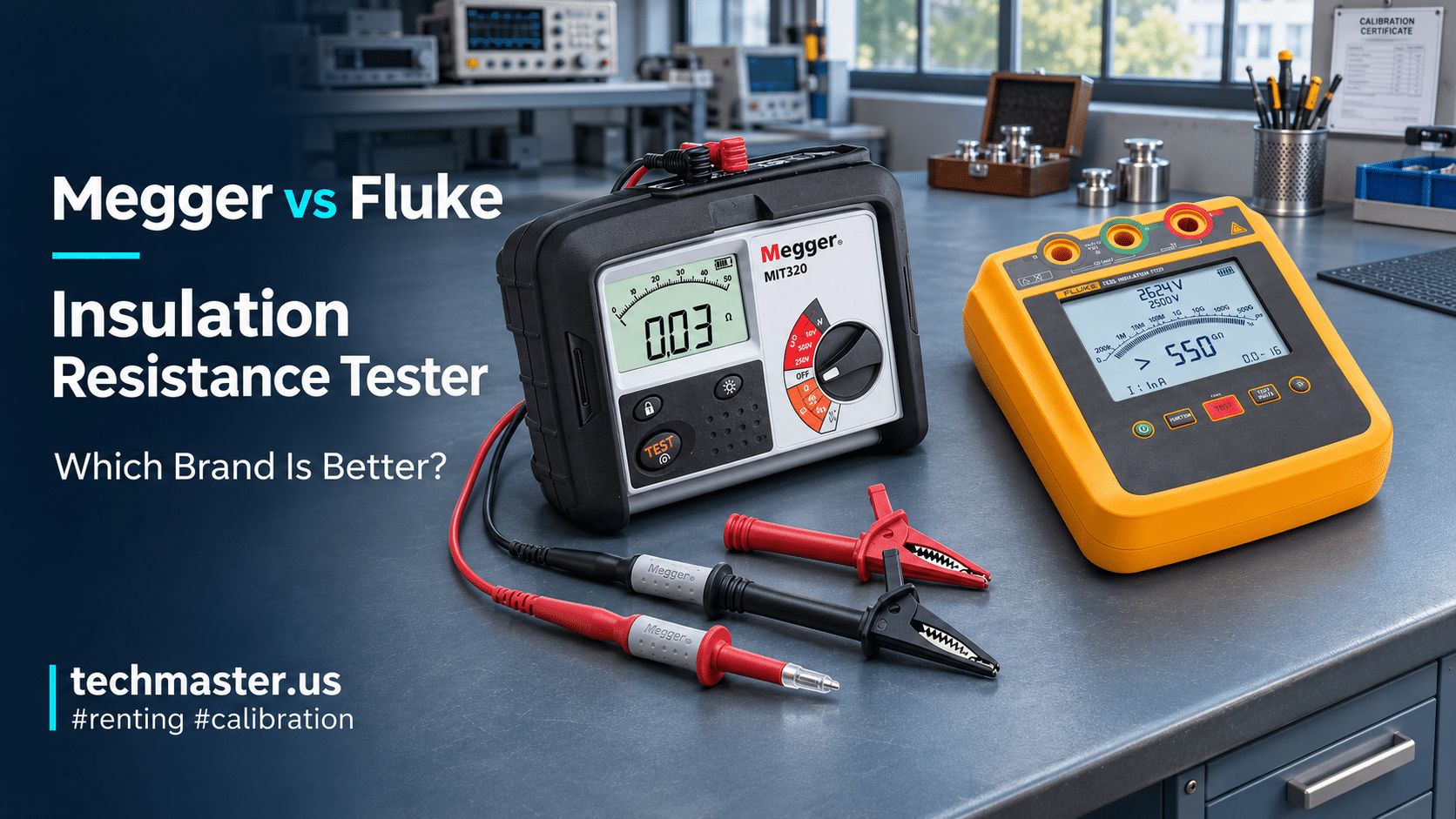
Electrical safety relies on highly accurate test equipment. Facility managers and maintenance engineers constantly evaluate different tools for plant maintenance and utility monitoring. Consequently, professionals often debate the [megger vs fluke insulation resistance tester]([INSERT LANDING PAGE URL]) comparison. Both brands offer exceptional reliability and safety features. However, selecting the right instrument depends heavily on your specific industrial applications.
Accuracy in these instruments is non-negotiable. Furthermore, if you need immediate access to top-tier instruments without a large capital purchase, Techmaster Electronics offers comprehensive electrical test equipment rental solutions. Renting allows you to deploy calibrated, high-quality testers instantly.
1. What Is an Insulation Resistance Tester?
An insulation resistance tester is a specialized electrical measurement tool. Technicians frequently call this device a megohmmeter. Over time, electrical insulation degrades due to heat, moisture, vibration, and mechanical stress. An insulation tester applies a high DC voltage to a conductor. It then measures the tiny leakage current passing through the insulating material.
Using Ohm’s Law, the tester calculates the resistance value in megohms or gigohms. High resistance indicates healthy, safe insulation. Conversely, low resistance points to potential insulation failure. Therefore, routine insulation resistance testing prevents catastrophic electrical shorts and dangerous fires.
Advanced Diagnostic Metrics
Modern testers do more than just measure basic resistance. They calculate advanced metrics like the Polarization Index (PI) and the Dielectric Absorption Ratio (DAR). These ratios help technicians evaluate insulation quality over a specific time period. Consequently, they provide a much clearer picture of motor or cable health than a simple spot test.
2. Why Choosing the Right Insulation Resistance Tester Matters
Selecting the appropriate tester ensures compliance with strict safety standards. When evaluating a megger vs fluke insulation resistance tester, you must consider measurement accuracy and long-term reliability. Accurate readings prevent equipment failures before they happen. Moreover, they protect your personnel from severe electrical shock hazards.
Proper testing directly extends the lifespan of expensive capital equipment. A reliable tester identifies early signs of moisture ingress or chemical degradation. Therefore, scheduled maintenance teams can address these issues before costly operational downtime occurs. Furthermore, maintaining the accuracy of these critical instruments requires a professional Calibration service.
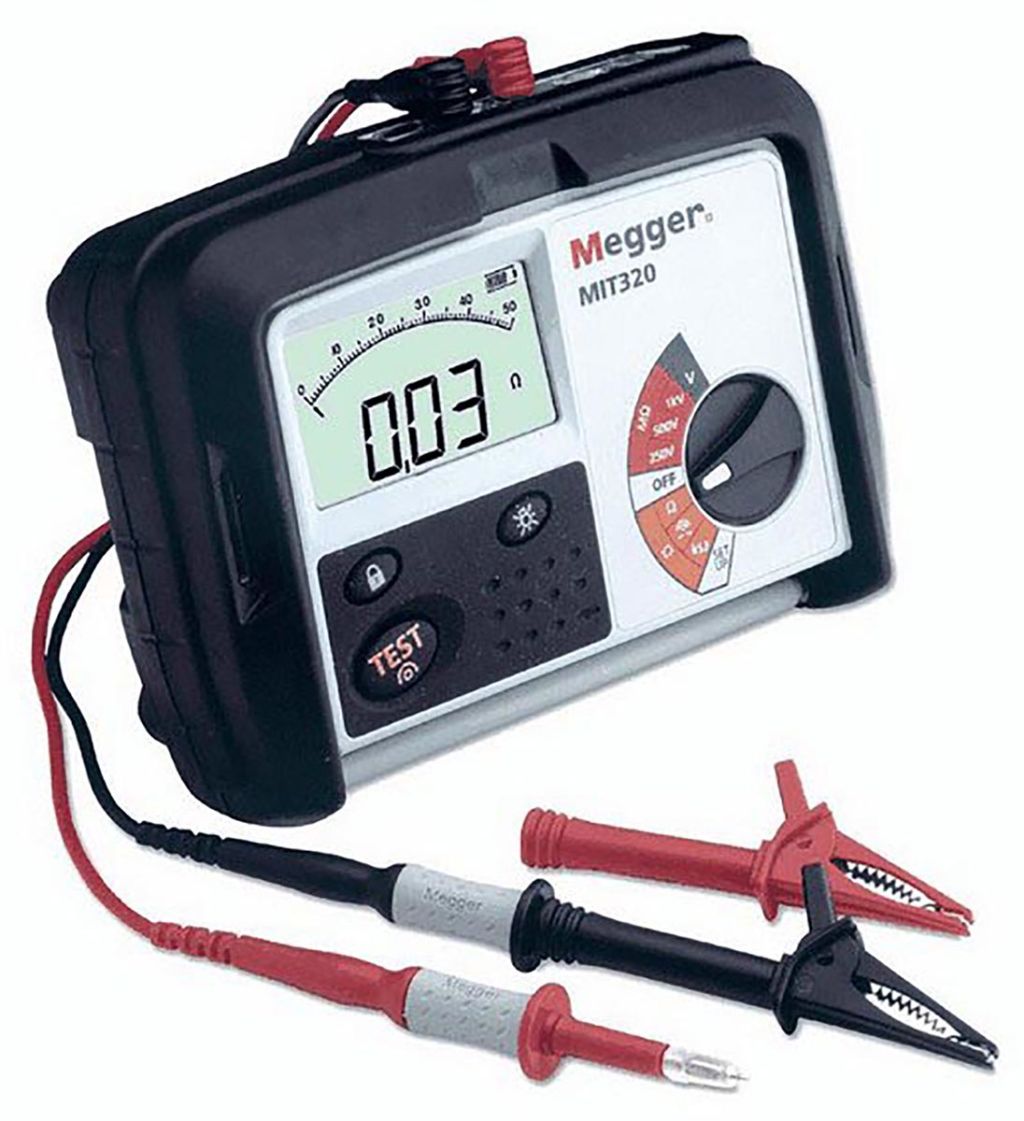
3. Megger Test Equipment: Strengths and Ideal Uses
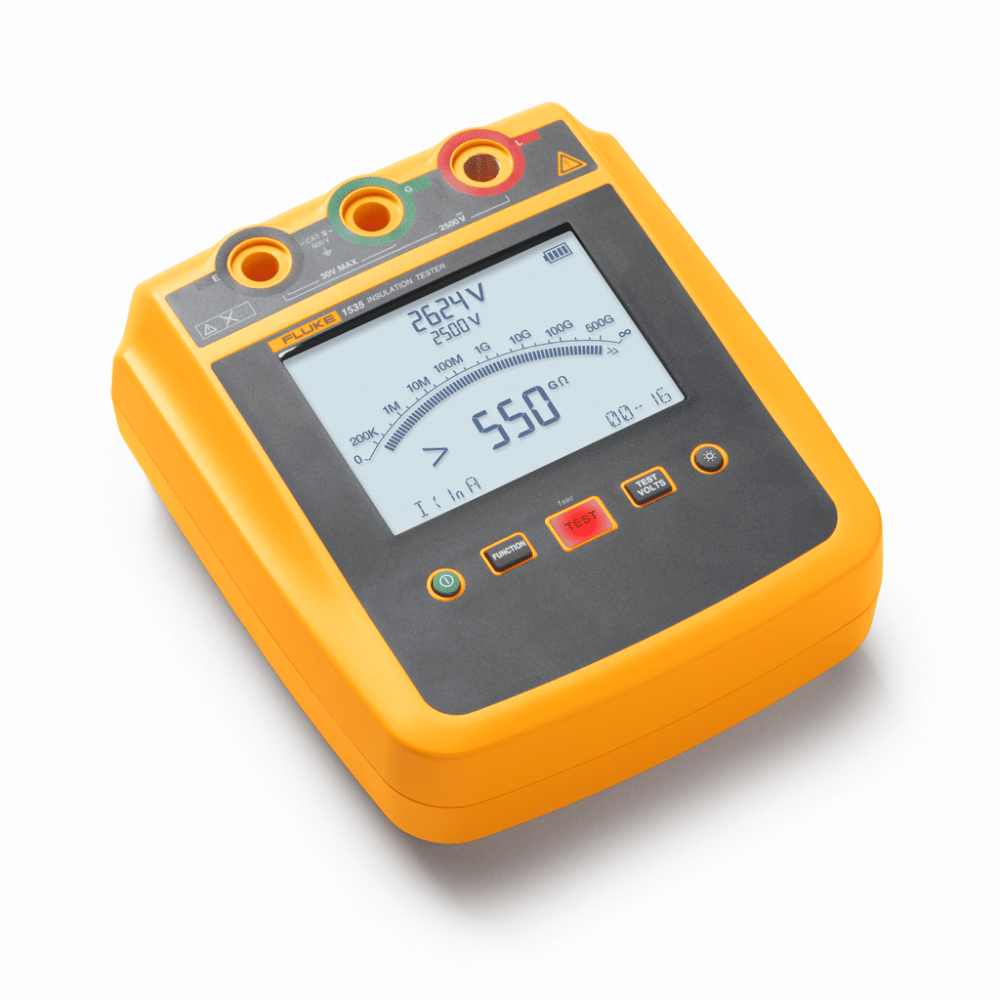
4. Fluke Insulation Testers: Strengths and Ideal Uses
5. Common Applications in the Industry
Insulation testers serve numerous critical industries worldwide. Different sectors require specific voltage outputs and safety ratings.
Manufacturing and Motor Maintenance
First, manufacturing facilities use them for routine motor and variable frequency drive (VFD) maintenance. Regular testing predicts motor winding failures before they halt the production line.
Aerospace and Aviation
Second, aerospace companies test complex wire harnesses for spacecraft and commercial aircraft. Technicians must verify that densely packed cables have perfectly intact insulation to prevent inflight electrical fires.
Utilities and Pharmaceuticals
Third, power utilities monitor vast distribution networks and substation transformers. High-voltage testing guarantees grid reliability. Finally, pharmaceutical plants rely on these tools to ensure the continuous operation of cleanroom HVAC motors. Each unique application demands strict measurement accuracy and repeatable test results.
6. Calibration Standards and Traceability
Reliable insulation testing requires strict adherence to international metrology standards. An uncalibrated tester creates a dangerous false sense of security.
ISO/IEC 17025 accreditation ensures that a laboratory possesses the technical competence to perform accurate measurements. Furthermore, all megohmmeter calibration must maintain unbroken traceability. This traceability must link directly to the National Institute of Standards and Technology (NIST) or another recognized National Metrology Institute (NMI).
This unbroken chain guarantees that your tester measures high-voltage resistance accurately. Expert calibration labs utilize precision high-voltage decade boxes to simulate exact resistance values. Documented procedures and rigorously calculated measurement uncertainties provide absolute confidence in your test results.
7. Common Issues Found During Calibration
8. How Often Should This Equipment Be Calibrated?
Determining the correct calibration interval is crucial for maintaining measurement accuracy. Most instrument manufacturers strongly recommend a 12-month calibration cycle for all insulation resistance testers.
However, specific industry requirements might dictate much more frequent intervals. For example, highly regulated sectors like aerospace, defense, or pharmaceuticals often require strict six-month calibration cycles.
Additionally, environmental conditions play a massive role. If technicians use the equipment daily in harsh outdoor environments, it needs more frequent metrological verification. Extreme heat, cold, or physical drops impact the internal calibration constants. Ultimately, your organization’s internal quality assurance procedures should define the exact calibration schedule based on risk assessments.
9. What to Look for in a Calibration Provider
Choosing a highly qualified calibration provider ensures your equipment remains compliant and safe. You must evaluate several technical criteria before sending out your instruments.
First, strictly verify that the laboratory holds a current, active ISO/IEC 17025 accreditation. This globally recognized certification proves their exact technical competence. Second, review their specific scope of accreditation. You must ensure they possess the capability to handle high-voltage megohmmeter calibration.
Third, evaluate their standard turnaround time. Fast service minimizes your critical operational downtime. Fourth, look for a provider that offers highly detailed calibration certificates featuring comprehensive before-and-after measurement data. Finally, exceptional customer support and responsive communication remain vital for a smooth partnership.
10. Why Choose Techmaster Electronics?
Techmaster Electronics stands as a premier partner for your industrial quality assurance needs. We deeply understand the rigorous technical nuances of both Megger and Fluke instruments.
Our fully ISO/IEC 17025 accredited laboratories provide precise, NIST-traceable calibrations for a massive range of electrical test equipment. We support quality-driven industries with rapid turnaround times, transparent communication, and rigorous documentation.
Our technicians utilize state-of-the-art metrology standards to ensure your high-voltage instruments read perfectly. Whether you require standard laboratory calibration, rapid repair services, or specialized equipment rental, Techmaster delivers totally reliable solutions. We treat your compliance and safety as our highest priority.
11. Conclusion
Maintaining accurate electrical measurement instruments is absolutely non-negotiable for industrial safety. When navigating the megger vs fluke insulation resistance tester debate, realize that both brands deliver exceptional, world-class performance.
Ultimately, your final choice depends entirely on your specific test voltage requirements and daily application environment. Regardless of the brand you select, routine accredited calibration guarantees that your tester provides trustworthy data. Never risk facility safety or regulatory compliance by relying on unverified test equipment.
12. Frequently Asked Questions (FAQ)

Calibration engineer at Techmaster Electronics, ISO/IEC 17025 accredited laboratory with 35+ years of metrology expertise.