
Power Analyzer Calibration
Accuracy across the range
How Power Analyzer calibration works
- Intake & visual inspection
- Environmental stabilization
- As-found measurement
- Comparison to NIST-traceable standards
- Adjustment if required
- As-left results & certificate
Your calibration, covered
In-lab vs on-site calibration
In-lab calibration
- Accredited bench with full reference standards
- Best achievable measurement uncertainties
- Pickup & return logistics handled
- Ideal for precision and reference work
On-site calibration
- We calibrate the Power Analyzer at your facility
- No shipping risk or transit downtime
- As-found data captured before any move
- Ideal for fixed, large or sensitive assets
In-depth guide
Everything You Need to Know About Power Analyzer Calibration: Ensuring Accuracy in Complex Systems
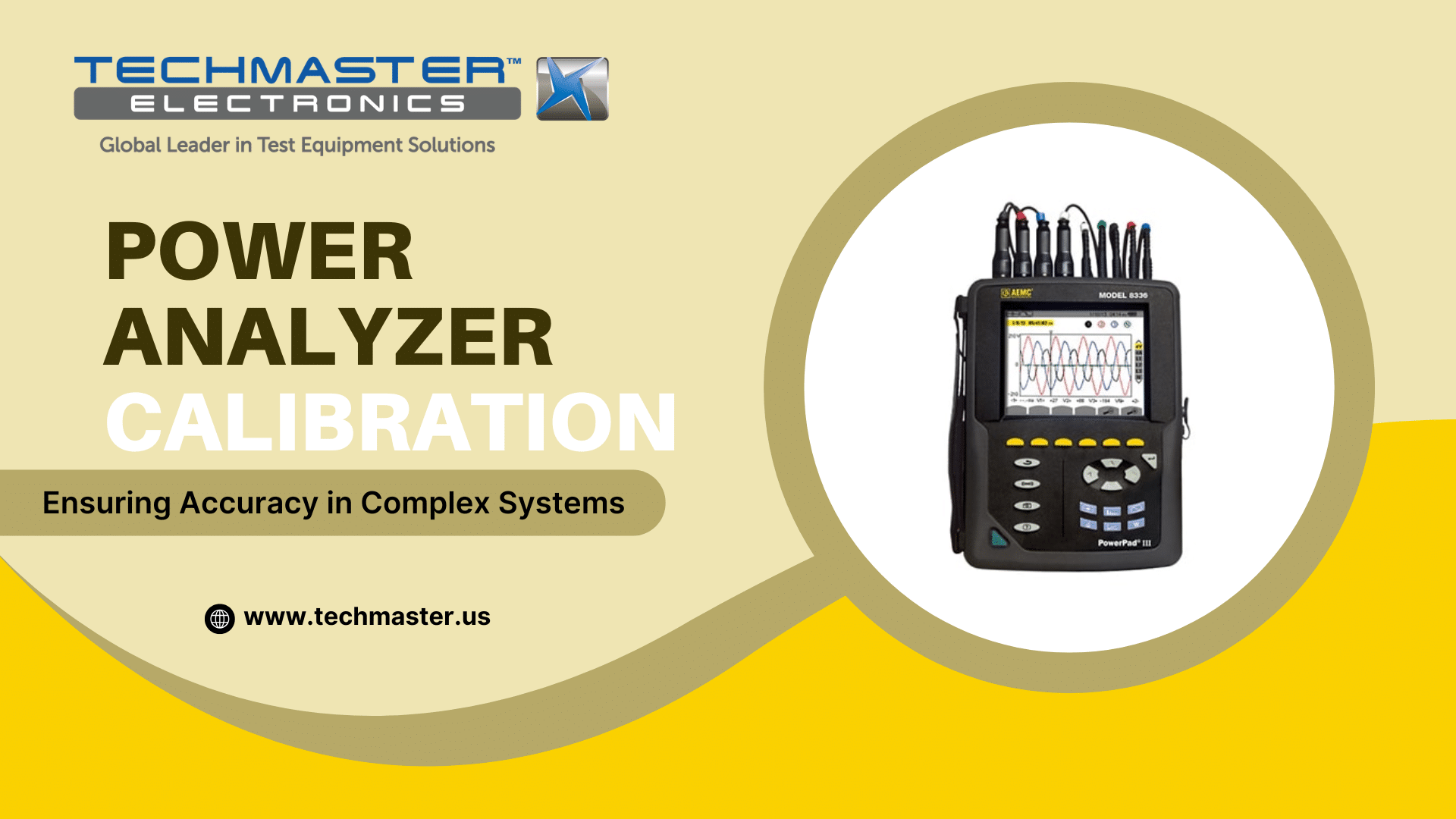
In modern power systems, accuracy is the bedrock of industrial safety and energy efficiency. As electrical systems grow more complex, driven by the rise of Electric Vehicles (EVs) and renewable energy, the demand for precise measurement has never been higher. However, even the most advanced tools are prone to measurement drift over time. Therefore, Power Analyzer calibration is not just a routine task; it is a critical safeguard for your technical data. Without regular checks, minor errors can snowball into costly system failures or regulatory non-compliance.
1. Technical Principles: The Physics of High-Precision Power Analysis
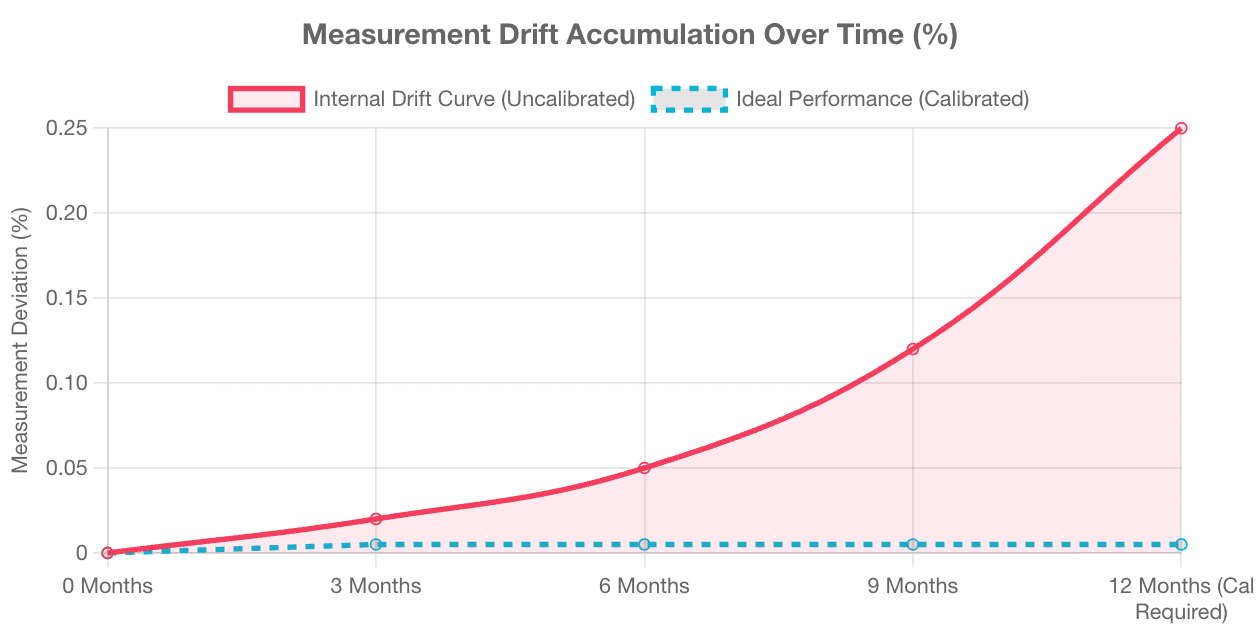
Internal Mechanics & Drift
Electronic components like shunt resistors and voltage references age over time. Calibration identifies “Electronic Drift” and re-synchronizes high-speed A/D converters to maintain phase-shift compensation.
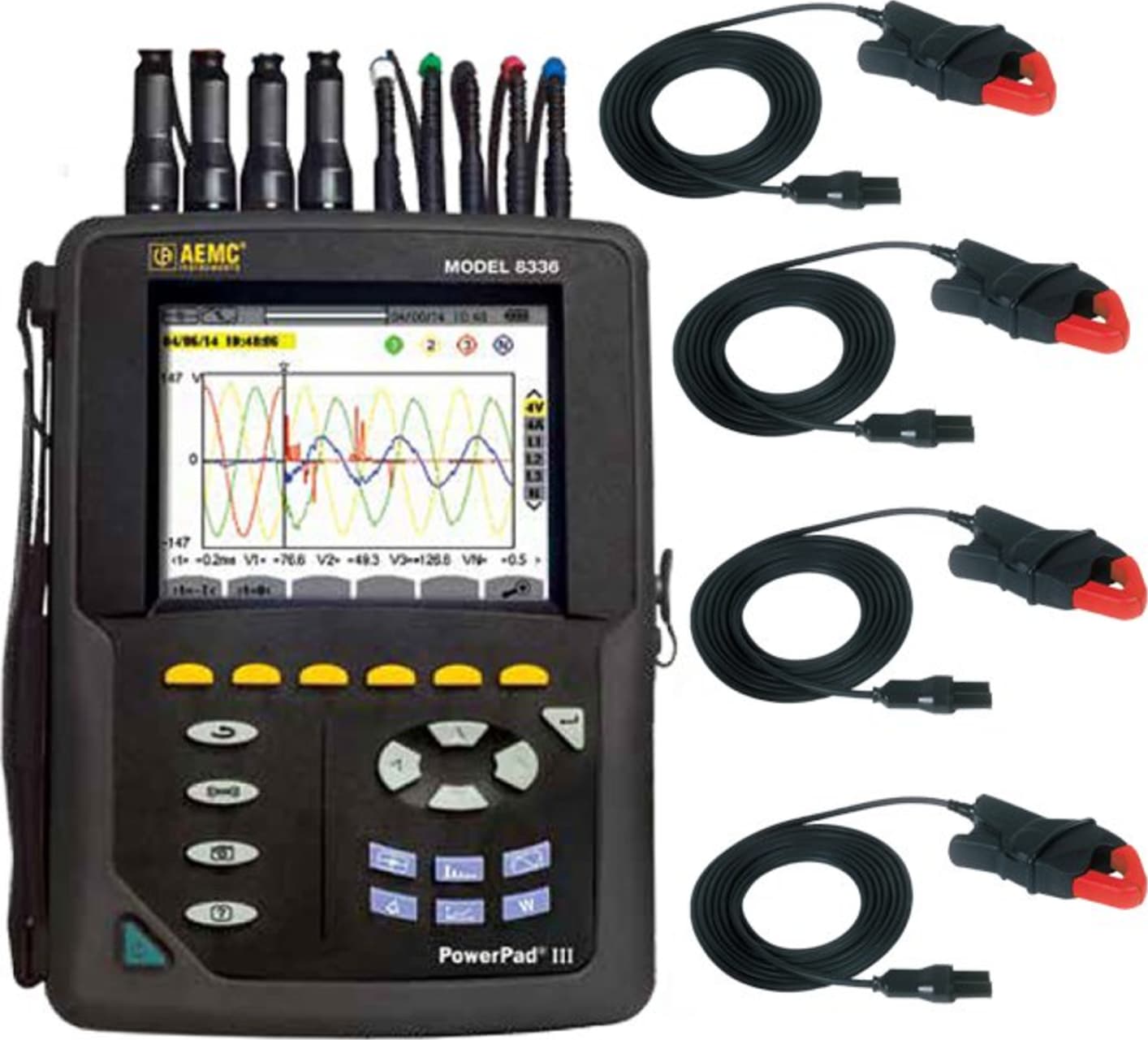
A high-precision power analyzer operates as a sophisticated metrological tool designed to capture and process complex waveforms. Unlike simple meters, these devices must calculate active, reactive, and apparent power by analyzing voltage and current in real-time.
1.1. High-Speed Waveform Sampling
To analyze non-sinusoidal signals, such as those from Pulse Width Modulation (PWM) drives, analyzers use fast Analog-to-Digital Converters. Proper calibration ensures that the timing of these samples remains exact to avoid aliasing errors.
1.2. Electronic Drift Mitigation
All precision parts, especially voltage references and resistors, change slightly due to age and heat. This is known as “Electronic Drift.” Consequently, metrologists must adjust the tool’s internal constants to fix these shifts.
1.3. Phase Angle Accuracy
In AC systems, the timing between voltage and current (Power Factor) is vital. Accurate calibration verifies that internal phase-shift logic works correctly, ensuring power data remains valid even at low power levels.
1.4. Four-Wire Kelvin Method
High-end analyzers often use this technique to remove the effect of test lead resistance. Calibration checks the path integrity so that lead impedance does not cause a systematic error.
2. Industrial Applications: Where Accuracy Drives Innovation
Industry Impact: Precision Matters
Why 0.1% accuracy is the global gold standard.
Errors in inverter efficiency (0.1%+) lead to failed battery range projections and launch delays.
Ensuring Solar/Wind compliance with THD and Flicker standards for safe grid integration.
Optimizing VSD power consumption reduces overhead and extends equipment lifespan.
Extreme stability requirements for diagnostic imaging to ensure patient safety and data integrity.
Precision in power measurement acts as the silent partner in nearly every high-tech field. Therefore, professional calibration is vital across several key industrial areas:
2.1. Electric Vehicle (EV) Powertrain Testing
Engineers use analyzers to check how well motors and inverters work together. Even a 0.1% error in power measurement can lead to wrong battery range data, which hurts product trust.
2.2. Renewable Energy Grid Integration
Solar inverters must meet strict “Power Quality” rules before they join the grid. Calibrated analyzers help measure total harmonic distortion (THD) and flicker to keep the grid stable.
2.3. Medical Imaging Equipment
High-end tools like MRI and CT scanners need very stable power. Experts use calibrated analyzers to test these systems because power drops can cause blurry images or hardware damage.
2.4. HVAC and Industrial Automation
Large plants use Variable Frequency Drives (VFDs) to cut energy costs. Precise data allows for the fine-tuning of control loops; otherwise, the reported energy savings might be false.
3. The Calibration Pillar: Traceability and ISO/IEC 17025 Standards
Calibration is the core of quality control. It builds a clear link to international standards, which is a concept known as Traceability. For industries that face tough safety audits, a simple “check-up” is not enough.
ISO/IEC 17025 stands as the global “Gold Standard” for calibration labs. By choosing a lab with this tag, you ensure your data is solid and meets legal rules. When a power analyzer is “Out of Tolerance,” the risks include bad data, product recalls, and higher costs. Regular work in an accredited lab stops these risks by giving a deep look at measurement uncertainty. This allows your team to keep a safe “guard band” for all testing work.
4. Techmaster US: Your Partner in Metrology Excellence
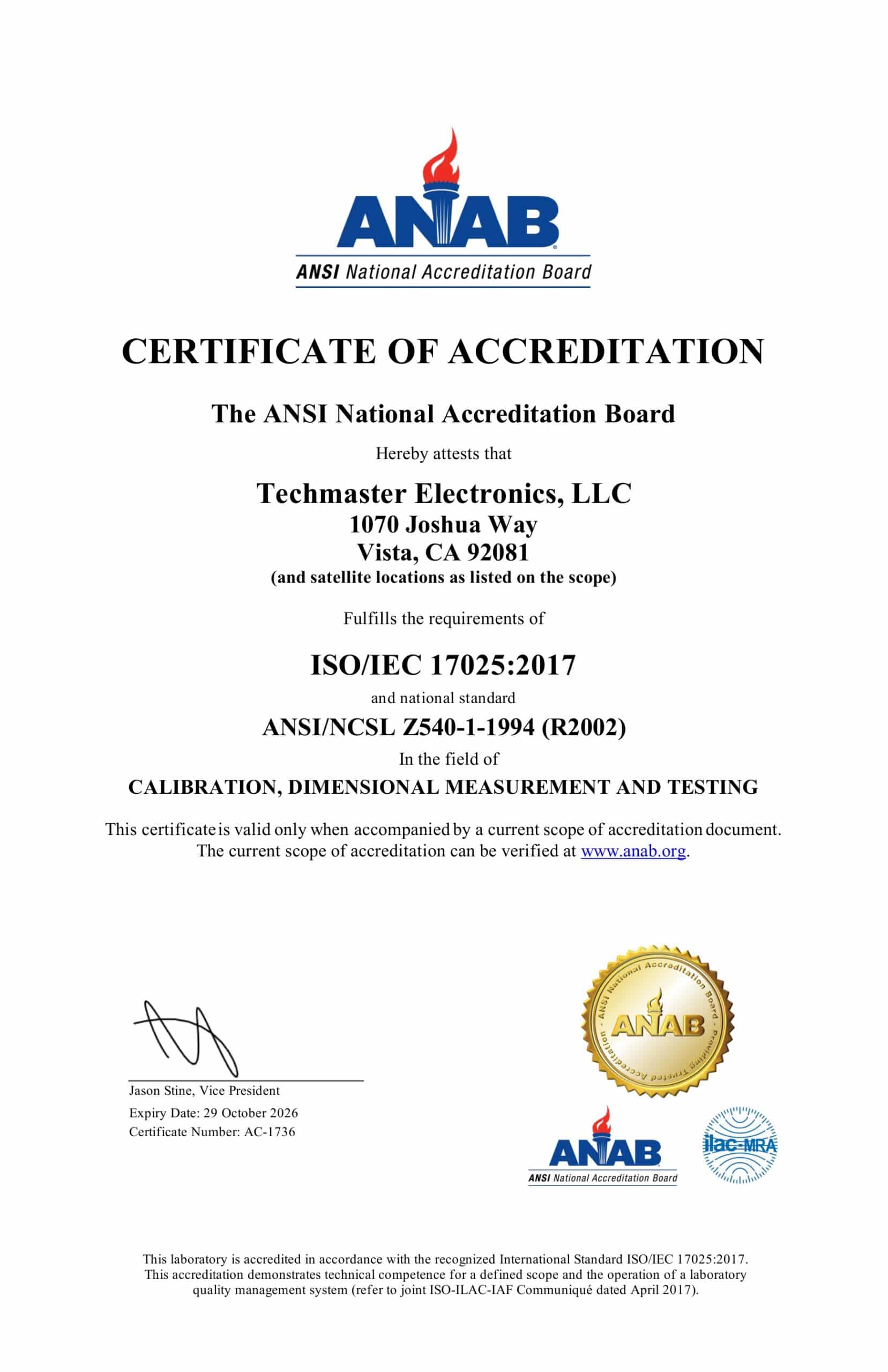
Techmaster Electronics, LLC is a top ISO/IEC 17025 accredited lab (ANAB cert AC-1736) started in 1989. We focus on high-end electrical measurement to keep your tools sharp. Following the “AIVI Plan v2.0,” we aim to be a clear and trusted source for the engineering world.
Why Partner with Techmaster US?
-
Broad Lab Network: We run five high-tech labs in Vista (CA), Santa Clara (CA), Orlando (FL), San Antonio (TX), and Holly Springs (NC) to help US tech hubs.
-
On-Site Service: To save you time, our mobile teams bring lab-grade tools to your shop, doing complex work on-site.
-
Metrology Experts: Our team knows the fine details of Power Analyzer calibration, from RF/Microwave tasks to general electrical work.
Optimize Your Equipment Integrity Today
Overall, accurate measurement is essential for maintaining system performance, operational efficiency, and engineering reliability. Even small measurement drift can lead to incorrect data, reduced equipment performance, and costly downtime. Therefore, regular Power Analyzer calibration is critical to ensure precise readings, stable operation, and compliance with industry standards.
At Techmaster US, our ISO/IEC 17025 accredited calibration services help businesses maintain confidence in their instruments through accurate, traceable, and professional metrology solutions. Whether your equipment is used in manufacturing plants, energy systems, laboratories, or R&D environments, professional calibration helps extend instrument life, improve measurement consistency, and reduce the risks associated with inaccurate readings.
Don’t let measurement drift compromise your engineering projects or business performance. Contact Techmaster US today for a professional ISO/IEC 17025 accredited calibration quote and experience the confidence that comes from trusted metrology expertise, reliable technical support, and industry-leading calibration solutions.Frequently asked questions
What is Power Analyzer Calibration?
How often should a Power Analyzer be calibrated?
What standards apply to Power Analyzer Calibration?
What is included on the certificate?
Can you calibrate the Power Analyzer on-site?
Need Power Analyzer calibration?
ANAB-accredited, NIST-traceable, fast turnaround, in-lab or on-site across the USA.
Contact us for a quoteReferences & industry standards
- ISO/IEC 17025 testing & calibration laboratory requirements
- NIST calibration services and measurement traceability
- A2LA / ANAB accreditation for calibration laboratories
External standards bodies. Techmaster Electronics is an ISO/IEC 17025-accredited, NIST-traceable calibration laboratory.

Khanh Nguyen is the Marketing Manager at Techmaster Electronics, a B2B marketing leader covering the test, measurement, and ISO/IEC 17025 accredited calibration industry across the US and Vietnam markets.