


How to calibrate a thermometer correctly is a crucial step to ensure accurate temperature measurements, especially in industries such as food, healthcare, and manufacturing. Thermometer calibration helps maintain precision, ensuring compliance with safety standards. This article explains why calibration is important, how it is performed, and why you should contact Techmaster to ensure your instruments remain accurate.
What is a thermometer?
A thermometer is a device used to measure temperature. It plays a vital role in various industries, including medical diagnostics, food safety, and industrial processes. The accuracy of a thermometer is critical because incorrect readings can lead to health risks, safety issues, and regulatory non-compliance. Understanding different types of thermometers is key to selecting the right one for your application and ensuring proper thermometer calibration.
Types of thermometers
There are several types of thermometers, each designed for specific applications:
- Digital thermometers – Use electronic sensors to measure temperature and display readings digitally. Common in medical and industrial settings.
- Dial (analog) thermometers – Feature a needle and a scale, commonly used in cooking and HVAC systems. These require periodic thermometer accuracy testing.
- Infrared (IR) thermometers – Measure temperature without contact by detecting infrared radiation, ideal for industrial and food safety applications. Proper infrared thermometer calibration ensures precise readings.
- Liquid-in-glass thermometers – Contain alcohol or mercury that expands or contracts with temperature changes, used in laboratories and weather stations.
- Thermocouples – Consist of two metal wires that generate voltage relative to temperature differences, used in high-temperature industrial processes. Regular calibration of thermocouples is essential for maintaining accuracy.
- Resistance temperature detectors (RTDs) & thermistors – Measure temperature based on electrical resistance changes, commonly used in precision applications.
Why calibration is important?
Have you ever worried about serving undercooked food or misdiagnosing an illness due to an inaccurate thermometer? These risks can lead to serious health hazards or legal consequences. Regular thermometer calibration adjusts the device to match known standards, minimizing errors caused by wear and environmental factors. Proper thermometer verification ensures consistent and reliable temperature readings.

Common calibration methods for basic thermometers
For digital and dial thermometers, you can use:
- Ice point method: Fill a container with crushed ice and water, stir well, insert the thermometer (without touching the sides or bottom), wait for stabilization, and adjust to 32°F (0°C) if necessary. This method is a simple way to check thermometer accuracy.
- Boiling point method: Boil water, insert the thermometer, wait for stabilization, and adjust to 212°F (100°C) at sea level (note: boiling point varies with altitude). Regularly performing a thermometer calibration check ensures proper functionality.
Advanced calibration process for infrared thermometers
Infrared thermometers, which measure temperature without direct contact, require a more complex calibration process. Techmaster uses blackbody calibrators to ensure accuracy within a range of -10°C to 500°C. Learning how to calibrate an infrared thermometer properly ensures that measurements remain precise across different environments.
Professional thermometer calibration services
The calibration procedure has the following structure:
Scope & equipment
- Calibration range: -10°C to 500°C
- Blackbody sources: FLUKE or OMEGA, offering accuracy three times better than the tested device
Environmental conditions
- Temperature: 20–28°C
- Humidity: 30–70% RH
Preparation
- Inspect for physical damage
- Power on the device and allow the blackbody source to stabilize for at least 10 minutes
- Performed by trained calibration technicians to ensure compliance with thermometer calibration standards
Step-by-step thermometer calibration process
- Set emissivity to 0.95 on both the infrared thermometer and blackbody source.
- Use a distance-to-spot ratio (D:S ratio) to determine the correct measurement distance, ensuring optimal infrared thermometer accuracy.
- Conduct calibration at a minimum of five test points, starting from the lowest temperature and recording stable readings.
Tolerance & documentation
- Default tolerance: ±2°C or ±2% of the reading (or per customer specifications)
- Provide a detailed calibration report including measurement uncertainty and traceability to national standards.
Best thermometer calibration practices
- Perform daily calibration for critical applications such as food safety and medical diagnostics.
- Maintain detailed calibration records for compliance with industry regulations.
- Train staff to ensure consistent thermometer calibration procedures.
Conclusion
Thermometer calibration is essential for safety and quality assurance. Whether you need to calibrate a food thermometer, infrared thermometer, or laboratory thermometer, regular verification ensures reliable performance. Techmaster provides professional and reliable calibration services. Don’t take risks—contact us today to ensure your thermometers deliver accurate readings!
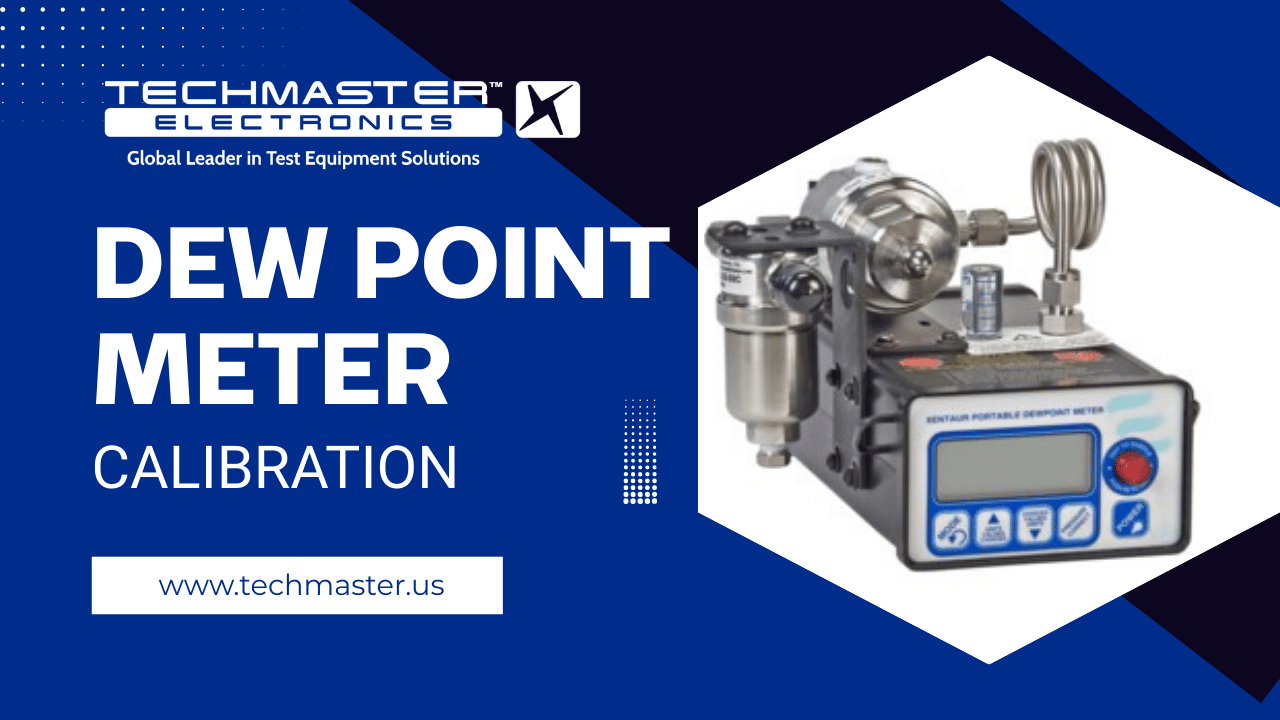
Dewpoint Meter Calibration: A Complete Guide to ISO 17025 Standards
In industrial environments—ranging from pharmaceutical cleanrooms to high-pressure compressed air systems—the difference between a dew...
Mar

Hygrometer Thermometer Calibration: Role in Quality Control
Hygrometer Thermometer Calibration: Ensuring Environmental Integrity in Global Industries In today’s modern industrial environment, temperature...
Mar
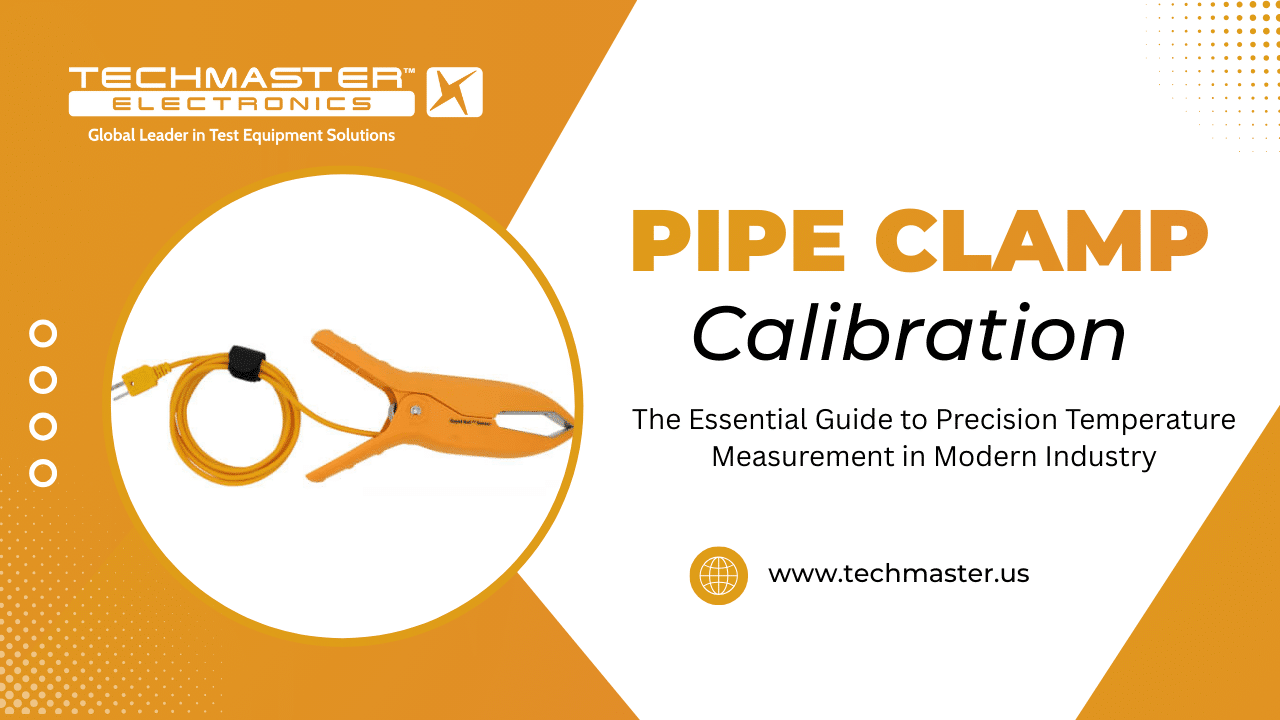
Pipe Clamp Calibration: Ensuring Accuracy for HVAC & Industry
Pipe Clamp Calibration: The Essential Guide to Precision Temperature Measurement in Modern Industry In the...
Feb

Reference Thermometer Calibration: Ensuring Absolute Precision
Reference Thermometers: The Ultimate Standard and the Critical Necessity of Reference Thermometer Calibration In industries...
Jan
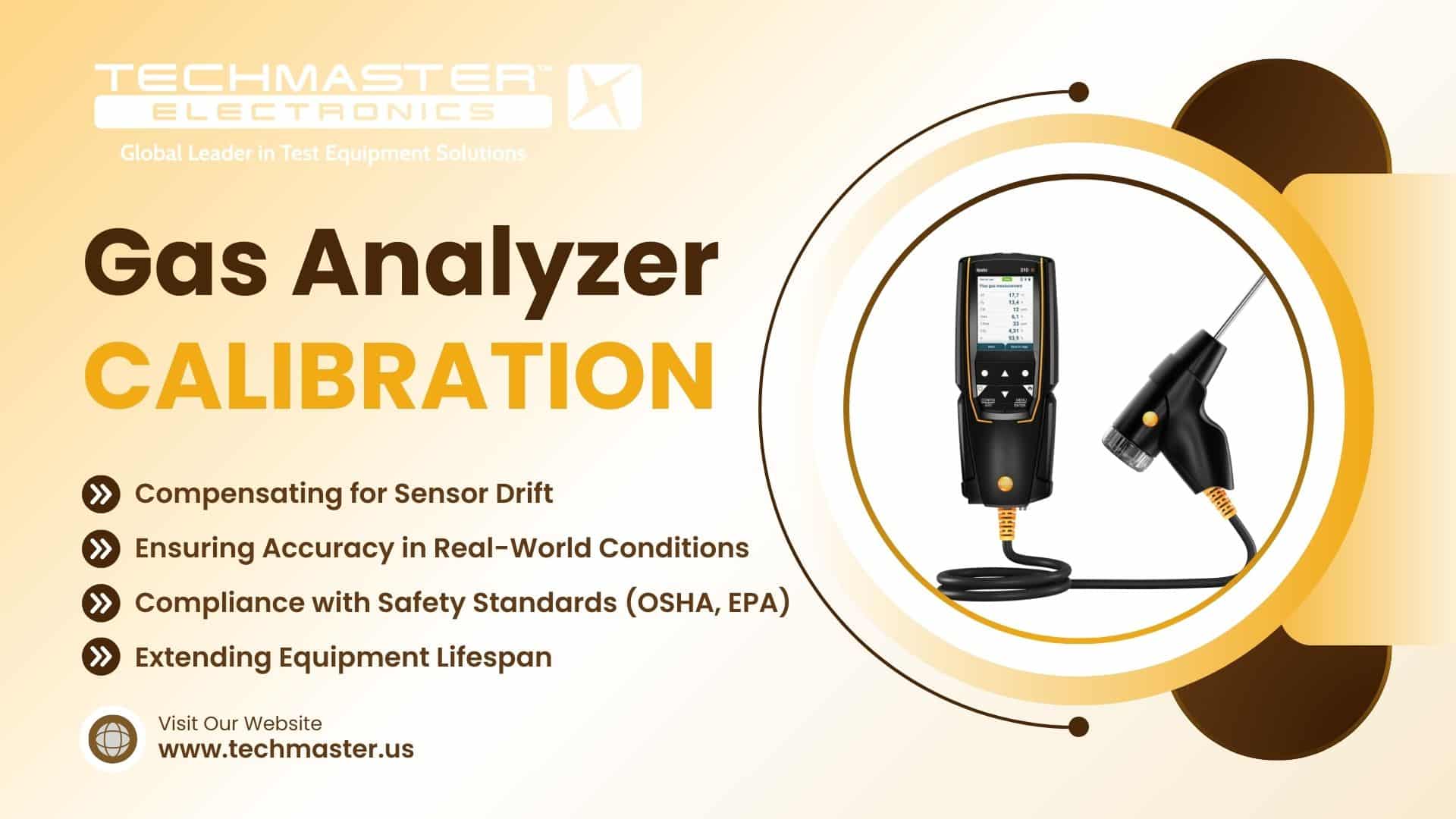
Gas Analyzer Calibration: Guide to Efficiency & Emission Safety
Gas Analyzers: Optimizing Combustion Efficiency and the Vital Role of Gas Analyzer Calibration As energy...
Jan

Glass Thermometer Calibration Services | Accuracy & Compliance
Glass Thermometer Calibration remains a critical requirement in many laboratories and industries, even as digital...
Dec
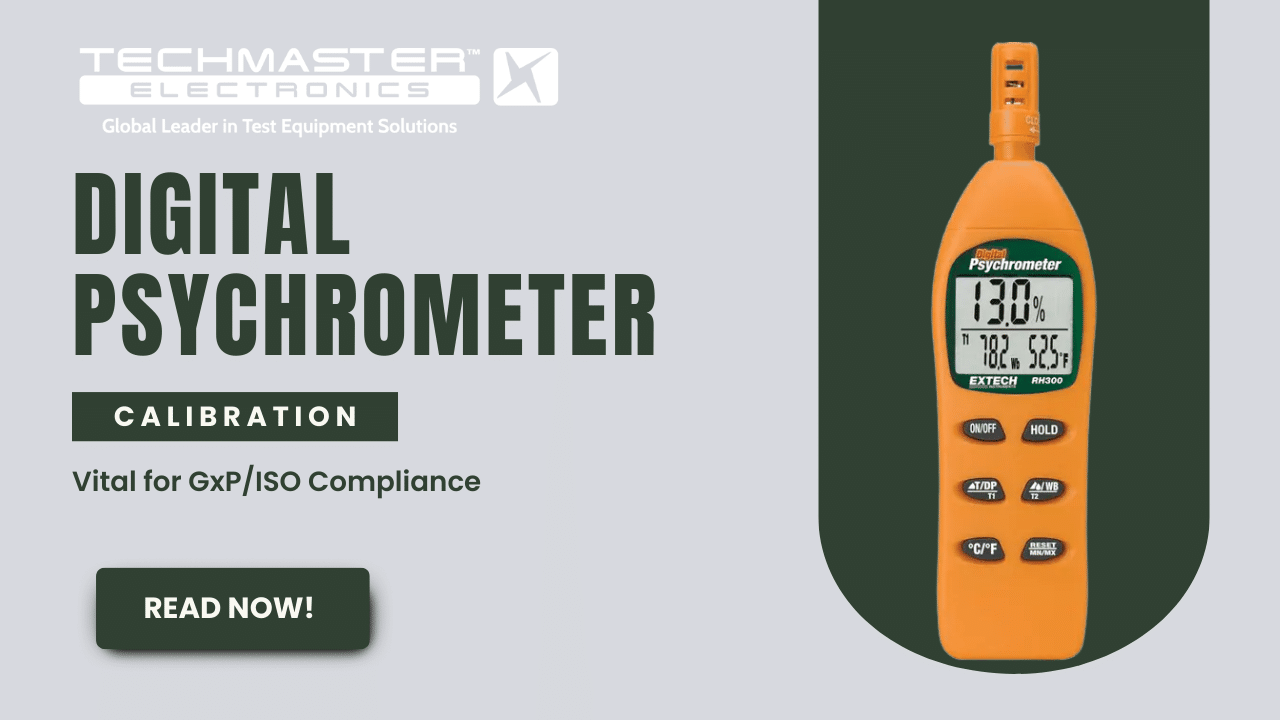
Digital Psychrometer Calibration: Vital for GxP/ISO Compliance
Digital Psychrometer: Climate Control, Quality Protection – The Vital Importance of Calibration In most industrial...
Dec

Digital Hygro-Thermometer Calibration: Critical Monitoring
Digital Hygro-Thermometer: Protecting Critical Environments – The Absolute Necessity of Calibration In many industries, such...
Nov
