
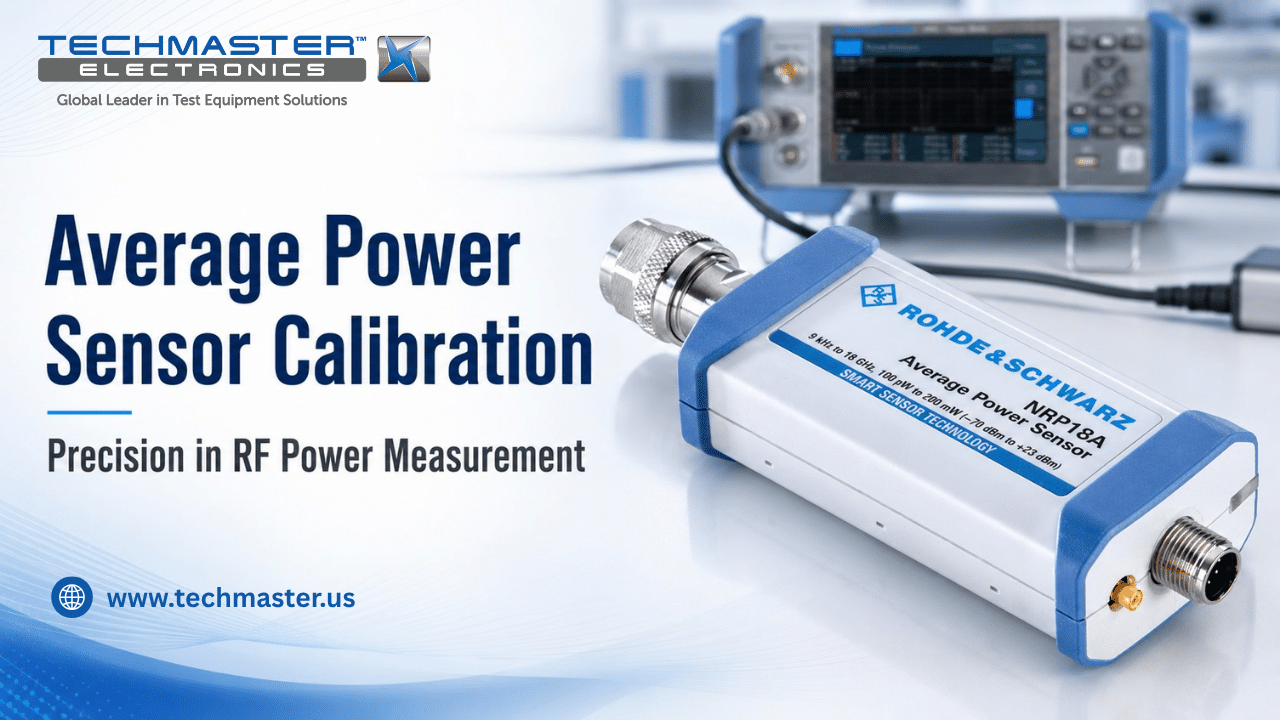
Average Power Sensor Calibration: Precision in RF Power Measurement
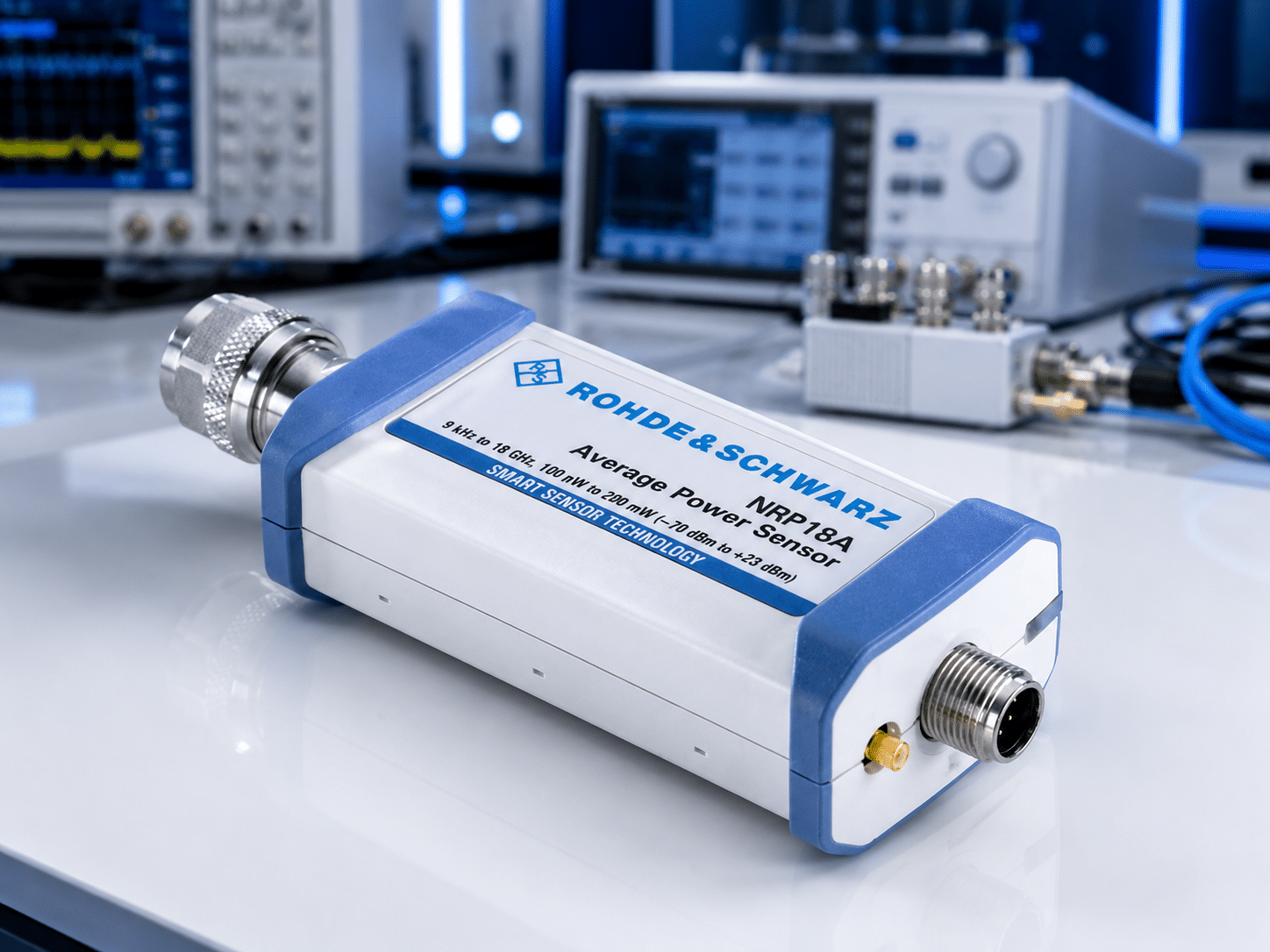
In radio communication systems, radar, and high-power electronic test equipment, precise average power measurement is critical to ensuring system performance and compliance with radiation limits. Average power sensors frequently face measurement drift and sensitivity degradation due to thermal stress, electronic component aging, and environmental factors during continuous operation. Average Power Sensor Calibration is an essential measurement process designed to verify sensor accuracy by comparing it against traceable reference power sources, ensuring that collected power data remains integral and reliable within complex RF systems.
Neglecting periodic calibration leads to potential measurement errors, causing severe impacts such as incorrect transmission power adjustments, damage to power amplifier (PA) components due to overloading, or violations of radio emission regulations. By maintaining a rigorous calibration cycle, engineers ensure their measurement systems not only operate accurately but also achieve compliance with the highest international technical standards.
1. Technical Principles: RF Power Detection Mechanisms
1.1. How do average power sensors maintain measurement accuracy?
Average Power Sensor Calibration is the process of confirming a sensor’s capability to accurately convert RF energy into a proportional electrical signal, achieved by comparing it against reference equipment in a temperature-controlled and noise-regulated environment.
1.2. Addressing Measurement Drift
Power sensors typically rely on thermocouple or diode techniques to detect power levels. Over time, the characteristics of these diodes or thermistors may shift due to aging or electrical stress. The calibration process identifies calibration factors across the entire frequency range and power level of the device. Applying these factors eliminates systematic errors, ensuring that field measurements remain consistent with results from standards laboratories.
2. Industrial Applications: Where RF Accuracy is Critical
Why is accurate power sensing vital for your facility?
Validating the accuracy of power sensors is the foundation for the safe operation of critical RF systems, preventing system failure and ensuring operational efficiency.
-
5G/6G Telecommunications Infrastructure: Precise monitoring of transmission power ensures coverage efficiency and energy optimization for Base Transceiver Stations (BTS).
-
Defense & Radar Manufacturing: Accuracy in power measurement is mandatory to ensure signal integrity and target detection capability in radar systems.
-
EMC/EMI Compliance Testing: Accurate power sensors are used to maintain stable electromagnetic field levels in test chambers, ensuring measurement consistency.
-
Semiconductor Manufacturing: Precise power control helps optimize functional testing processes for RF chips and amplifier modules.
3. The Calibration Pillar: Traceability and Compliance
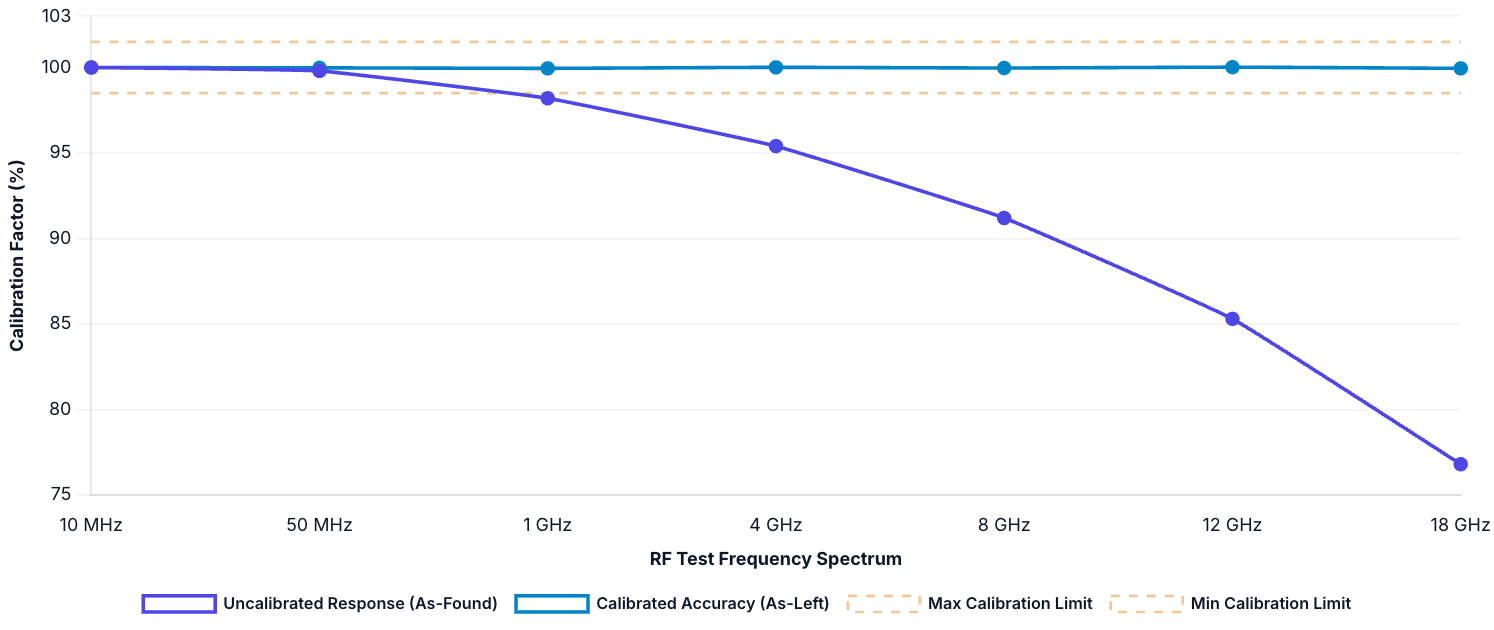
Calibration Factor (CF) Frequency Response
Maps the sensor correction coefficient (Calibration Factor %) from 10 MHz to 18 GHz. Sensor aging degrades internal absorption profiles, triggering serious high-frequency roll-off (As-Found) that is resolved upon alignment (As-Left).
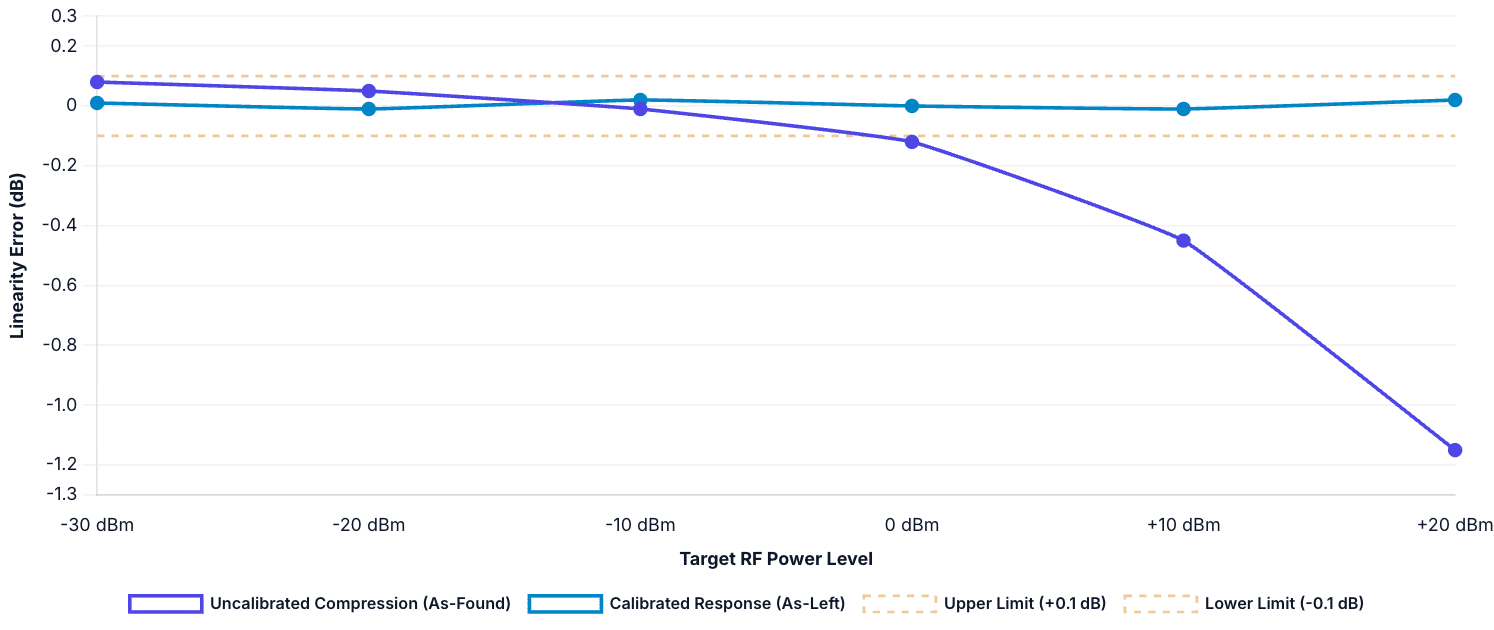
Dynamic Range Power Linearity Deviation
Displays power tracking error (in dB) across the entire dynamic range (-30 dBm to +20 dBm). Drifting sensors experience heavy compression and amplification non-linearity at high power margins, causing erroneous transmission outputs.
Why is accredited testing mandatory?
Accredited Average Power Sensor Calibration establishes a verifiable link to international measurement standards, providing the technical evidence required for ISO/IEC 17025 quality systems.
Using uncalibrated sensors in power control feedback loops can lead to erroneous reporting, causing systems to transmit excessive power or fail sensitivity requirements. Techmaster US asserts that a calibration certificate is not merely a legal document, but proof that your measurements meet the most stringent quality audit requirements.
4. How to Prepare Your Sensor for Calibration
Follow these steps to ensure your power sensor is ready for the calibration process at Techmaster.
1. First, Inspect RF Connectors Ensure all connectors are free from dents, scratches, or debris to prevent signal reflections and measurement errors.
2. Next, Specify Frequency Requirements Provide the sensor’s operating frequency range so the laboratory can prepare the appropriate test setup.
3. Then, Clean the Sensor Clean connector surfaces and remove any dust or foreign objects from the sensor port.
4. Finally, Provide Calibration History Include the latest calibration report (if available) to help analyze performance trends and identify potential issues.Techmaster US: Your Calibration Partner
Techmaster Electronics, LLC is an independent, ISO/IEC 17025 accredited calibration laboratory supporting the U.S. manufacturing sector since 1989. Our experts operate out of five laboratories (four ISO/IEC 17025 accredited) located in California, Florida, Texas, and North Carolina.
We perform Average Power Sensor Calibration using ultra-high-precision reference standards, bridging the gap between practical requirements and national standards. Customers receive instantly verifiable digitized calibration records, simplifying quality management workflows.
Why Choose Techmaster US?
-
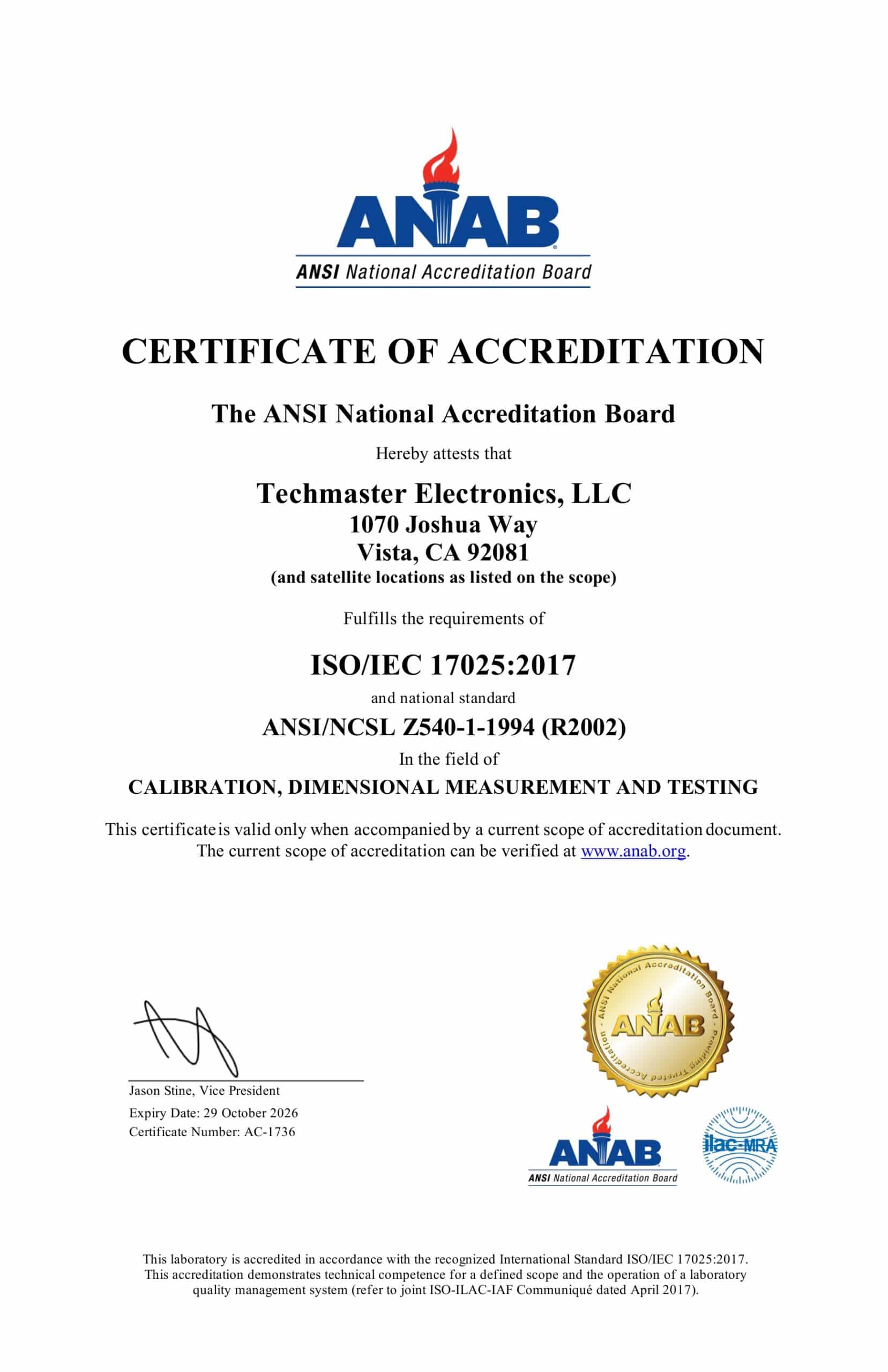
Full ISO/IEC 17025 Accreditation: Procedures strictly adhere to our ANAB cert AC-1736 quality framework.
-
Flexible Service Options: We offer both in-lab and on-site calibration services to minimize operational downtime.
-
Comprehensive Expertise: Our capabilities cover the full spectrum of disciplines, including electrical, RF, mechanical, and environmental measurement.
Frequently Asked Questions (FAQs)
1. How often should RF power sensors be calibrated?
Annual calibration is the industry standard for maintaining reliability. However, for applications with high usage intensity or harsh environments, calibration every 6 months is necessary to detect early-stage component drift.
2. Why do power sensors drift over time?
Sensor drift is primarily caused by the natural aging of semiconductor materials (diodes) or heat-sensitive components, compounded by temperature fluctuations and mechanical stress during connection cycles.
3. Why is ISO/IEC 17025 accreditation important?
This is the international standard confirming technical competence and the traceability of calibration results, which is a mandatory requirement in high-safety and high-accuracy industries.
4. Can I perform power sensor calibration in-house?
No. Calibration requires a traceable RF reference power source and highly precise measurement equipment linked to national standards, which is generally not feasible in a standard maintenance environment
Secure the Accuracy of Your Microwave Telemetry
Protect your power amplifiers from overload damage and ensure complete regulatory RF compliance. Partner with Techmaster US for certified, ISO/IEC 17025 accredited calibrations.
CONTACT USReferences & industry standards
- ISO/IEC 17025 testing & calibration laboratory requirements
- NIST calibration services and measurement traceability
- NIST RF electromagnetics metrology
- A2LA / ANAB accreditation for calibration laboratories
External standards bodies. Techmaster Electronics is an ISO/IEC 17025-accredited, NIST-traceable calibration laboratory.
Related reading: how noise source ENR calibration errors transfer one-for-one into noise figure
Frequently asked questions
What is rf power sensor calibration?
RF Power Sensor Calibration is the documented comparison of a RF power sensor against NIST-traceable reference standards under ISO/IEC 17025. It quantifies the RF power sensor’s error and measurement uncertainty and confirms it performs within tolerance, with as-found and as-left data on the certificate.
How often should a RF power sensor be calibrated?
Most quality systems calibrate a RF power sensor every 12 months, or sooner after repair, overload, or before critical measurements. Set your interval from the manufacturer spec and your ISO 9001 / 13485 / AS9100 program and drift history.
Is Techmaster’s RF power sensor calibration ISO 17025 accredited?
Yes. Techmaster Electronics is ISO/IEC 17025:2017 accredited by ANAB (Certificate AC-1736). Every RF power sensor calibration is NIST-traceable and issued with a full measurement-uncertainty budget.
What is the turnaround for RF power sensor calibration?
Standard turnaround is 5 business days, with 1–2 business-day expedite available. On-site calibration removes shipping time entirely for RF power sensors that can’t leave the floor.
Do you calibrate RF power sensors on-site or in-lab?
Both. Techmaster runs five US labs (Vista CA, Santa Clara CA, Orlando FL, San Antonio TX, Holly Springs NC) and offers nationwide on-site RF power sensor calibration to minimize downtime.

Khanh Nguyen is the Marketing Manager at Techmaster Electronics, a B2B marketing leader covering the test, measurement, and ISO/IEC 17025 accredited calibration industry across the US and Vietnam markets.