
Time and Frequency Calibration
Frequency response at a glance
How Time and Frequency calibration works
- Intake & visual inspection
- Environmental stabilization
- As-found measurement
- Comparison to NIST-traceable standards
- Adjustment if required
- As-left results & certificate
Your calibration, covered
In-lab vs on-site calibration
In-lab calibration
- Accredited bench with full reference standards
- Best achievable measurement uncertainties
- Pickup & return logistics handled
- Ideal for precision and reference work
On-site calibration
- We calibrate the Time and Frequency at your facility
- No shipping risk or transit downtime
- As-found data captured before any move
- Ideal for fixed, large or sensitive assets
In-depth guide
In the intricate world of modern technology and science, time and frequency calibration stands as an indispensable discipline. From the smooth operation of global telecommunication networks to the precise synchronization of power grids, the accuracy of time and frequency signals underpins countless critical systems. Without rigorous calibration, the reliability and validity of data, operations, and scientific research would be severely compromised. This article examines the core aspects of this essential metrological process, highlighting its significance, underlying principles, and broad applications across various industries.
What is Time and Frequency Calibration?
Understanding the fundamental concepts of time and frequency is crucial before exploring their calibration.
Basic Concepts of Time and Frequency
Time is a fundamental physical quantity that defines the sequence of events and the duration between them. Frequency, conversely, is the number of occurrences of a repeating event per unit of time, often expressed in Hertz (Hz). In essence, frequency is the inverse of a time period. Accurate measurement of both is paramount in modern metrology.
The Role of Calibration in Measurement
Calibration is the process of comparing the readings of a measuring instrument against a known standard. For time and frequency instruments, this involves comparing a device’s generated or measured frequency/time interval against a primary or secondary frequency/time standard. The goal is to identify and correct any deviations. This ensures the device provides accurate and traceable measurements, establishing metrological traceability to national and international standards.
Why Precise Timing and Frequency Control Matters
The precise control of time and frequency is not merely a technicality; it is foundational for numerous critical operations.
Ensuring Data Accuracy and Reliability
In scientific experiments, manufacturing processes, and data acquisition, even minute errors in timing or frequency can lead to significant cumulative inaccuracies. Proper calibration guarantees that instruments provide reliable and consistent data. This trust in data is vital for valid conclusions and repeatable results across various fields.
Adherence to International Standards and Legal Regulations
Many industries operate under strict regulatory frameworks. Compliance with international standards, such as those from the International Organization for Standardization (ISO) or industry-specific bodies, often mandates regular frequency calibration and time calibration. This adherence is critical for quality assurance, safety, and legal accountability.
Impact on System Performance and Safety
In systems like navigation (GPS), communication networks, and power distribution, precise timing and frequency synchronization are directly linked to performance efficiency and operational safety. A deviation in frequency, for instance, can lead to cascading failures in an electrical grid. Regular calibration of these parameters mitigates such risks.
Methods and Technologies for Calibration
The effectiveness of any calibration process hinges on the quality of the reference standards and the techniques employed.
Reference Standards for Time and Frequency
The backbone of accurate time and frequency measurements are highly stable and accurate reference sources.
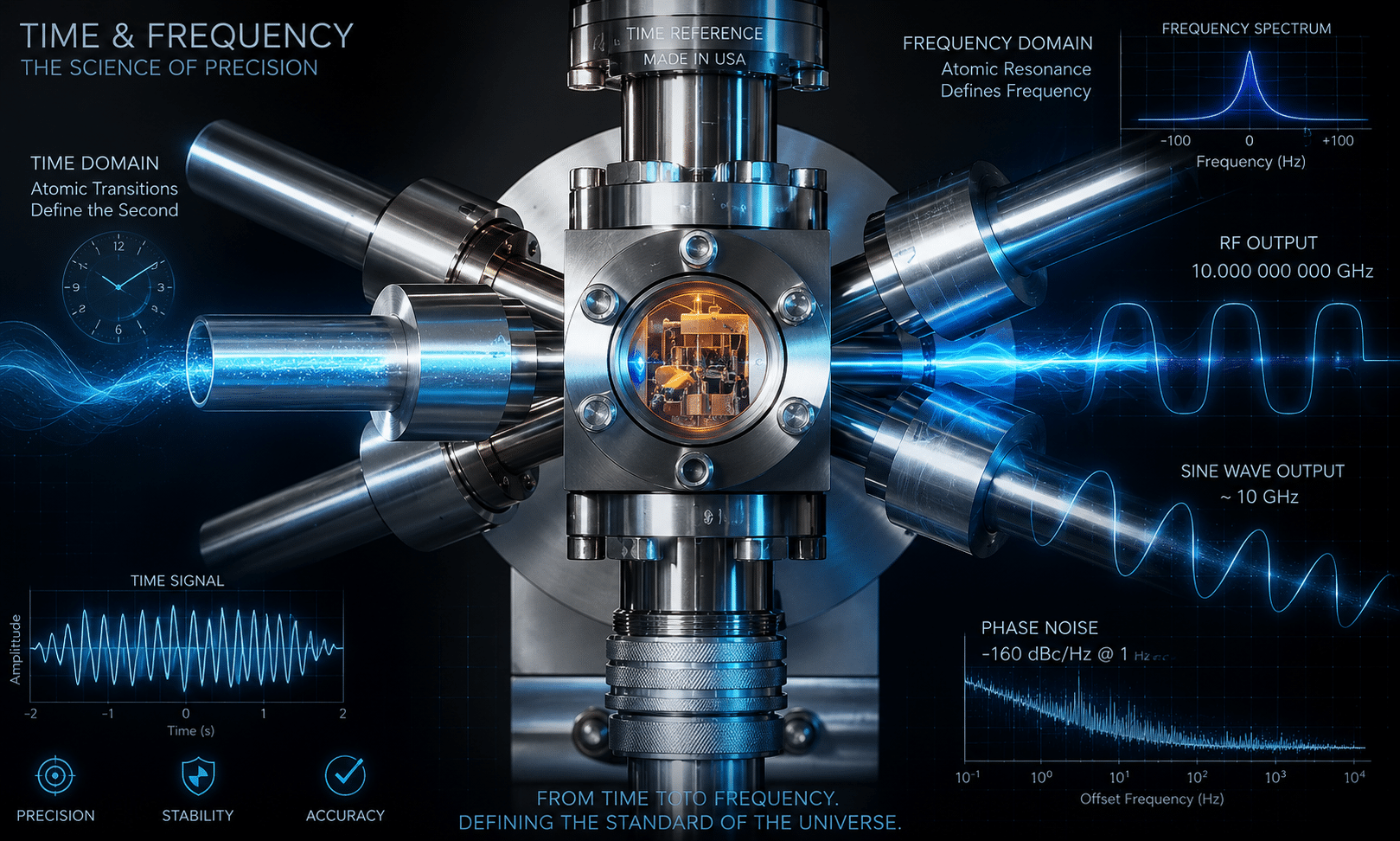
- Atomic Clocks: These are the most accurate timekeeping devices known, basing their operation on the resonant frequencies of atoms. They serve as primary frequency standards.
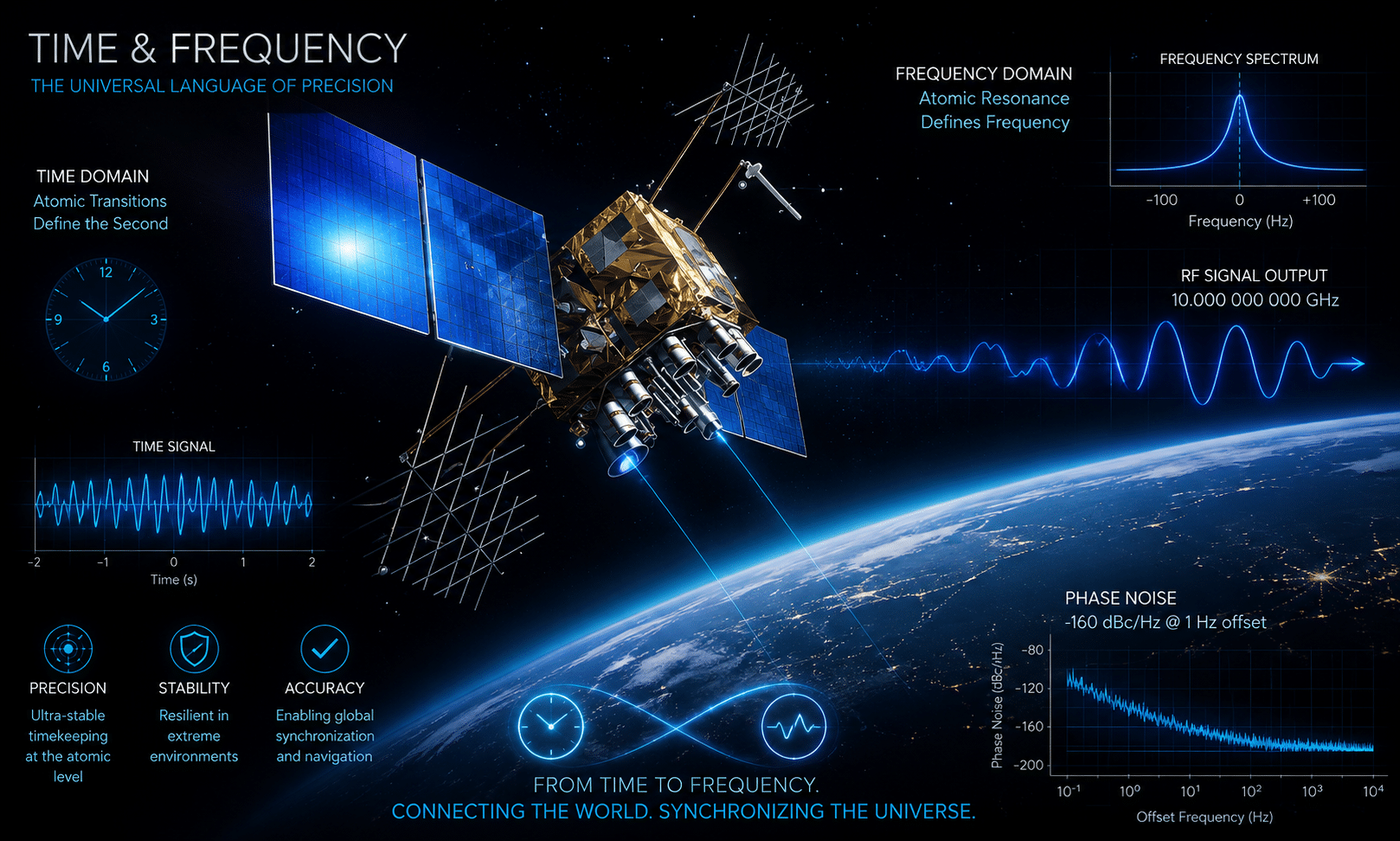
- GPS (Global Positioning System): GPS satellites carry atomic clocks. They transmit highly accurate timing signals. These signals can be used as a secondary time and frequency standard for calibration purposes.
- Rubidium and Cesium Standards: These are portable atomic frequency standards often used in laboratories and field operations.
Common Calibration Techniques
- Direct Comparison: The device under test (DUT) is directly compared to a reference standard. For instance, an oscilloscope’s time base might be checked against a precisely known frequency source.
- Transfer Standards: A highly accurate portable instrument (transfer standard) is first calibrated against a primary standard. It then calibrates multiple DUTs on-site.
- Common-View GPS: Two or more precise clocks, each connected to a GPS receiver, compare their time differences using GPS satellite signals. This method allows for highly accurate synchronization without direct physical connection.
- Phase Comparison: For frequency verification, the phase difference between the DUT signal and the reference signal is monitored over time.
Essential Calibration Equipment
Specialized equipment is crucial for effective calibration of these critical parameters:
- Frequency Counters: Used to measure the frequency of a signal. High-precision counters are critical.

- Frequency Synthesizers/Generators: Produce precise frequencies for testing other devices.
- Time Interval Counters: Measure the duration between two events.
- Oscilloscopes: Used to visualize and measure waveform characteristics, including period and frequency.

- Reference Standards: Atomic clocks, rubidium standards, or disciplined oscillators (e.g., GPS-disciplined oscillators) serve as the primary sources.
Evaluating Performance: Key Parameters
When assessing the performance of a device through calibration, several critical parameters are evaluated to characterize its output.
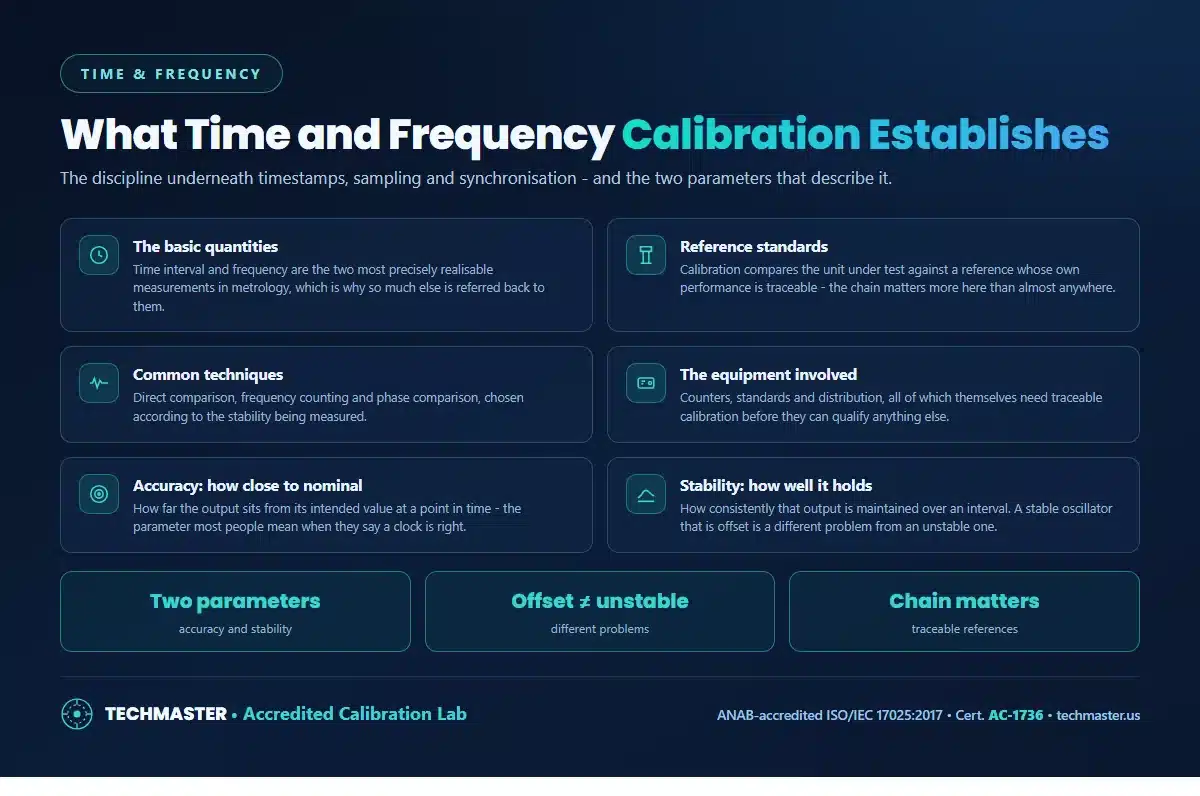
Accuracy
Accuracy refers to how close a measured value is to the true value. For frequency, it’s how close the output frequency is to its nominal value. For time, it’s the deviation from the true time. Achieving high accuracy is a primary goal of any robust calibration program.
Stability
Stability describes how much the frequency or time output of a device changes over a given period. This can be short-term (e.g., phase noise) or long-term (e.g., drift over months). A stable oscillator is crucial for consistent performance in timekeeping devices.
Resolution
Resolution is the smallest increment of time or frequency that a device can display or measure. Higher resolution allows for more precise readings in metrological applications.
Drift
Drift is the slow, continuous change in the output frequency or time over extended periods. It’s a long-term stability issue. Regular calibration helps characterize and compensate for drift, ensuring ongoing precision.
Real-World Impact: Diverse Applications
The reach of precise timing and frequency control extends across a multitude of industries, underpinning modern infrastructure.
Telecommunications and Data Networks
Precise timing is vital for synchronizing data packets and ensuring reliable communication across global networks. From mobile phone networks (5G) to fiber optics, accurate signal calibration prevents data loss and maintains network integrity.
Power and Energy Sector
Power grids rely on extremely tight frequency control (e.g., 50 Hz or 60 Hz). Deviations can cause grid instability and blackouts. This metrology ensures that grid measurement equipment and generators maintain their specified frequencies for stable operation.
Aerospace, Defense, and Navigation
Satellite navigation systems (GPS, GLONASS, Galileo) depend on highly accurate atomic clocks. Timing errors of even nanoseconds can translate into kilometers of positional error. Military and aerospace systems also demand robust calibration for radar, communication, and weapon systems.
Scientific Research and Industrial Manufacturing
Many scientific experiments, particularly in physics, astronomy, and metrology, require incredibly precise timing. In manufacturing, calibration ensures the accuracy of production lines, quality control instruments, and testing equipment. For instance, CNC machines or automated assembly lines rely on precise timing for their operations.
Implementing Calibration: Process and Standards
A structured approach and adherence to established standards are essential for effective calibration practices.
Basic Steps of the Calibration Process
- Preparation: Gather necessary equipment, warm up the device under test and the reference standard.
- Connection: Connect the DUT to the reference standard following specified procedures.
- Measurement: Record readings from both the DUT and the reference standard over a defined period.
- Analysis: Calculate the deviation, uncertainty, and other relevant parameters.
- Adjustment (if necessary): Adjust the DUT to bring its performance within specified tolerances.
- Documentation: Record all calibration data, including environmental conditions, and issue a calibration certificate.
International Standard ISO/IEC 17025 and Related Regulations
ISO/IEC 17025 is the primary international standard for the competence of testing and calibration laboratories. Adherence to this standard ensures the reliability and traceability of calibration results. Many industries also have specific regulatory requirements that mandate routine performance checks as part of their quality management systems.
Conclusion: The Value of Precision Metrology
Time and frequency calibration is more than just a routine maintenance task; it is a critical investment in the reliability, accuracy, and integrity of modern systems and data. By understanding its fundamental principles, applying appropriate methods, and adhering to established standards, organizations can ensure the optimal performance of their equipment. This commitment to precise metrology not only safeguards operational efficiency and regulatory compliance but also fosters innovation and confidence in a world increasingly reliant on accurate measurements.
Frequency Counter Calibration: Why the Time Base Decides Your Accuracy
A frequency counter is only as accurate as its internal time base. Learn how ISO/IEC...
Sep
Does a GPS-Disciplined Oscillator Need Calibration? GPS Lock vs ISO/IEC 17025 Traceability
GPS lock makes a GPSDO accurate, but not traceable. What ISO/IEC 17025 assessors require: the...
Aug
Allan Deviation Explained: Measuring Oscillator & Frequency Stability
Allan deviation (ADEV) is the standard metric for oscillator and frequency-standard stability. Learn how to...
Jul
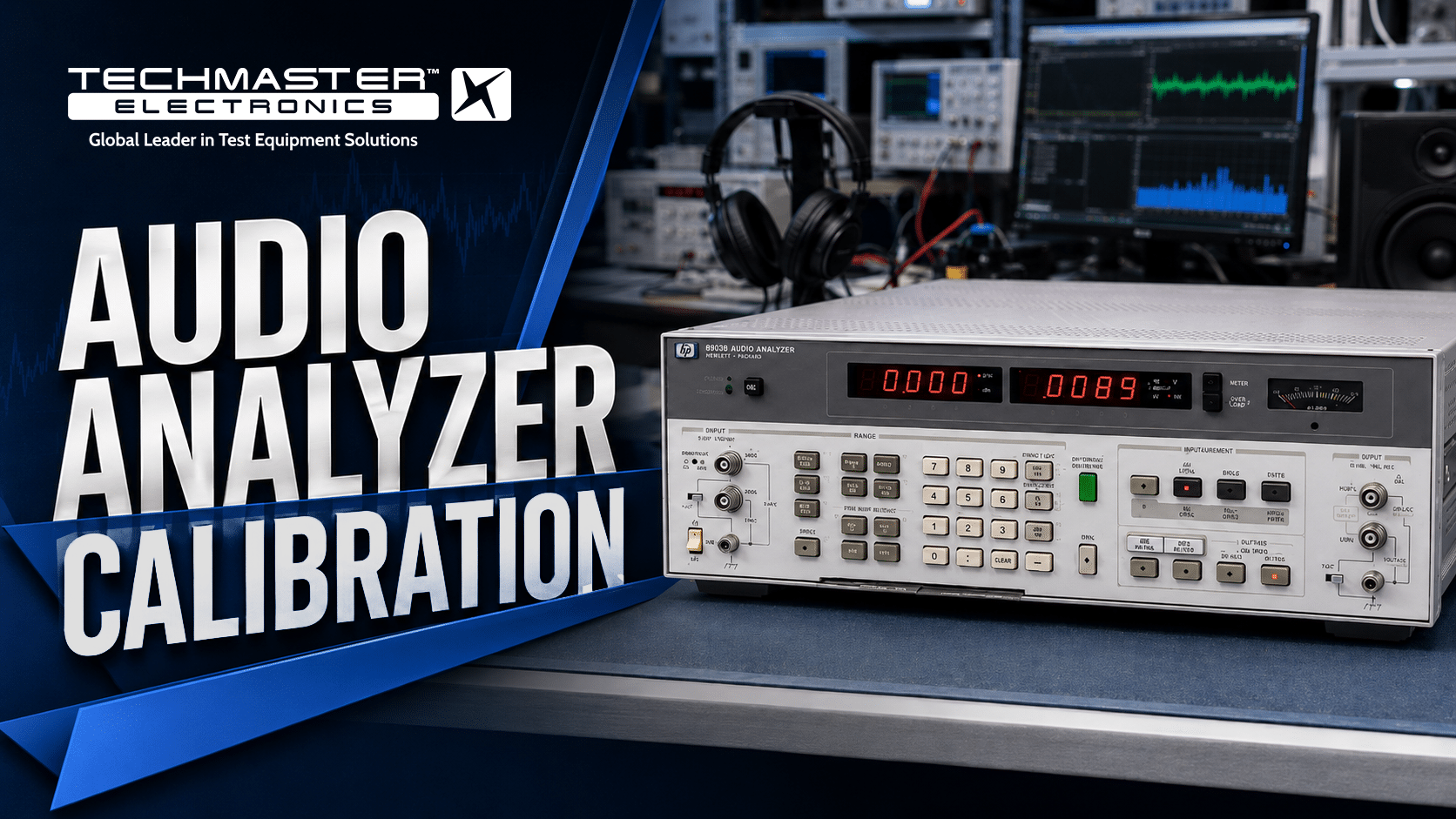
Audio Analyzer Calibration: Stop Costly Measurement Drif
1Unnoticed drift during testing often leads to compliance failures and false-positive quality passes on highly...
Jun
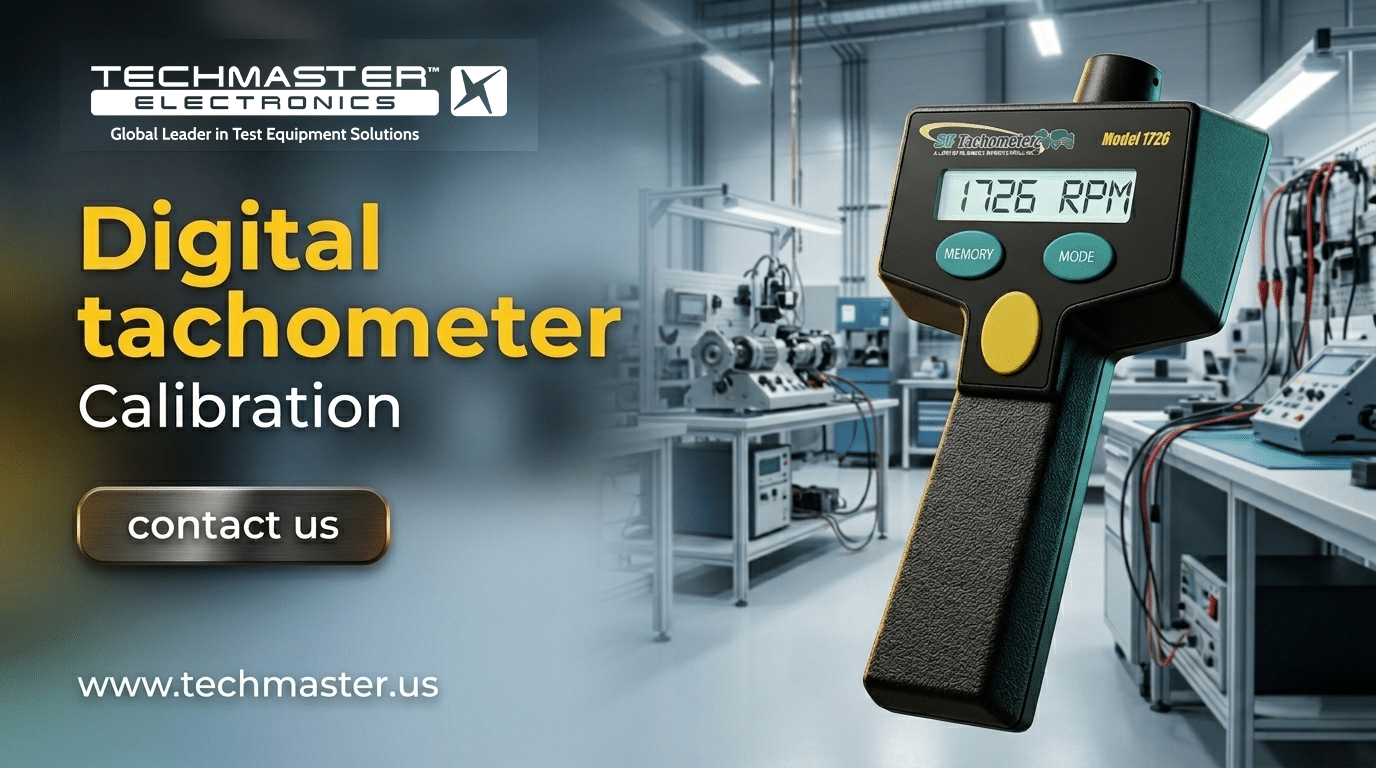
Digital Tachometer Calibration: Stop Costly RPM Errors
1 Metrology guide · ISO/IEC 17025 · ANAB-accredited Digital Tachometer Calibration Digital Tachometer Calibration verifies...
May
Tachometer Calibration Guide: ISO 17025 Standards & RPM Accuracy
1 Metrology guide · ISO/IEC 17025 · ANAB-accredited Tachometer Calibration Tachometer Calibration verifies a Tachometer...
Apr
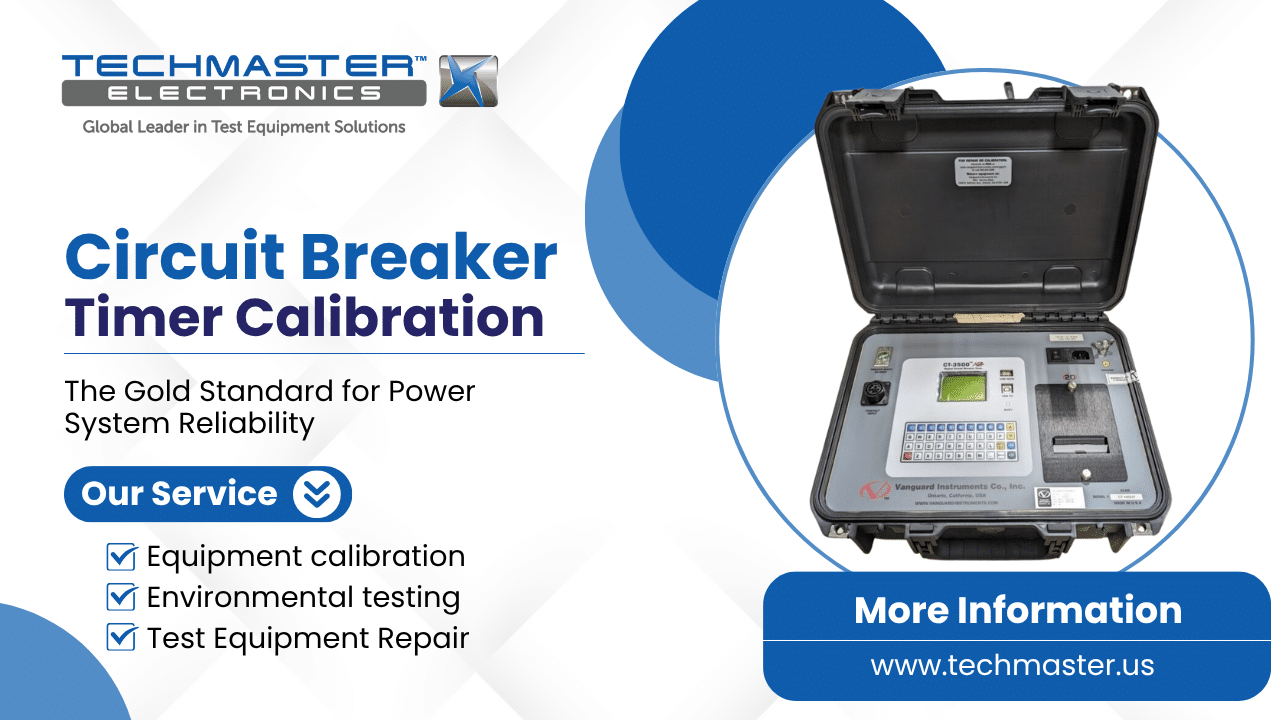
Digital Circuit Breaker Timer Calibration: Principles & Roles
1 Metrology guide · ISO/IEC 17025 · ANAB-accredited Digital Circuit Breaker Timer Calibration… Digital Circuit...
Apr
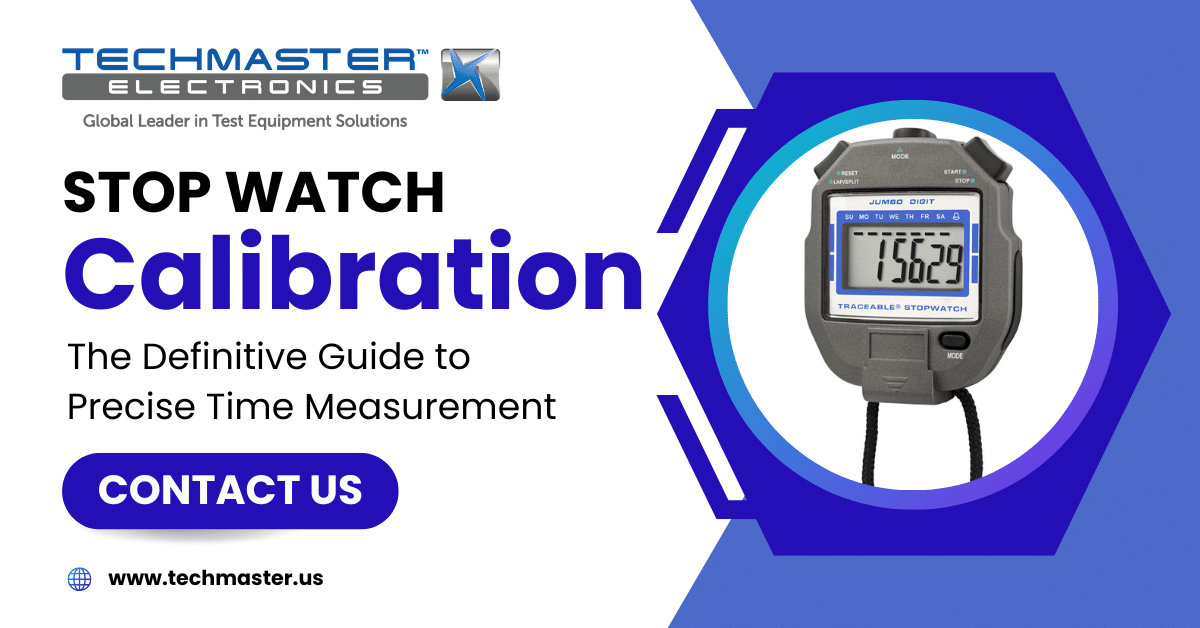
Stop Watch Calibration: Guide to Precise Time Measurement
1 Metrology guide · ISO/IEC 17025 · ANAB-accredited Stop Watch Calibration Stop Watch Calibration verifies...
Mar
Frequently asked questions
What is Time and Frequency Calibration?
How often should a Time and Frequency be calibrated?
What standards apply to Time and Frequency Calibration?
What is included on the certificate?
Can you calibrate the Time and Frequency on-site?
Need Time and Frequency calibration?
ANAB-accredited, NIST-traceable, fast turnaround, in-lab or on-site across the USA.
Contact us for a quoteReferences & industry standards
- ISO/IEC 17025 testing & calibration laboratory requirements
- NIST calibration services and measurement traceability
- NIST Time and Frequency Division
- A2LA / ANAB accreditation for calibration laboratories
External standards bodies. Techmaster Electronics is an ISO/IEC 17025-accredited, NIST-traceable calibration laboratory.

Khanh Nguyen is the Marketing Manager at Techmaster Electronics, a B2B marketing leader covering the test, measurement, and ISO/IEC 17025 accredited calibration industry across the US and Vietnam markets.