
Pulse Generator Calibration
Frequency response at a glance
How Pulse Generator calibration works
- Intake & visual inspection
- Environmental stabilization
- As-found measurement
- Comparison to NIST-traceable standards
- Adjustment if required
- As-left results & certificate
Your calibration, covered
In-lab vs on-site calibration
In-lab calibration
- Accredited bench with full reference standards
- Best achievable measurement uncertainties
- Pickup & return logistics handled
- Ideal for precision and reference work
On-site calibration
- We calibrate the Pulse Generator at your facility
- No shipping risk or transit downtime
- As-found data captured before any move
- Ideal for fixed, large or sensitive assets
In-depth guide
Pulse Generator Calibration: Ensuring Precision in High-Speed Signal Testing
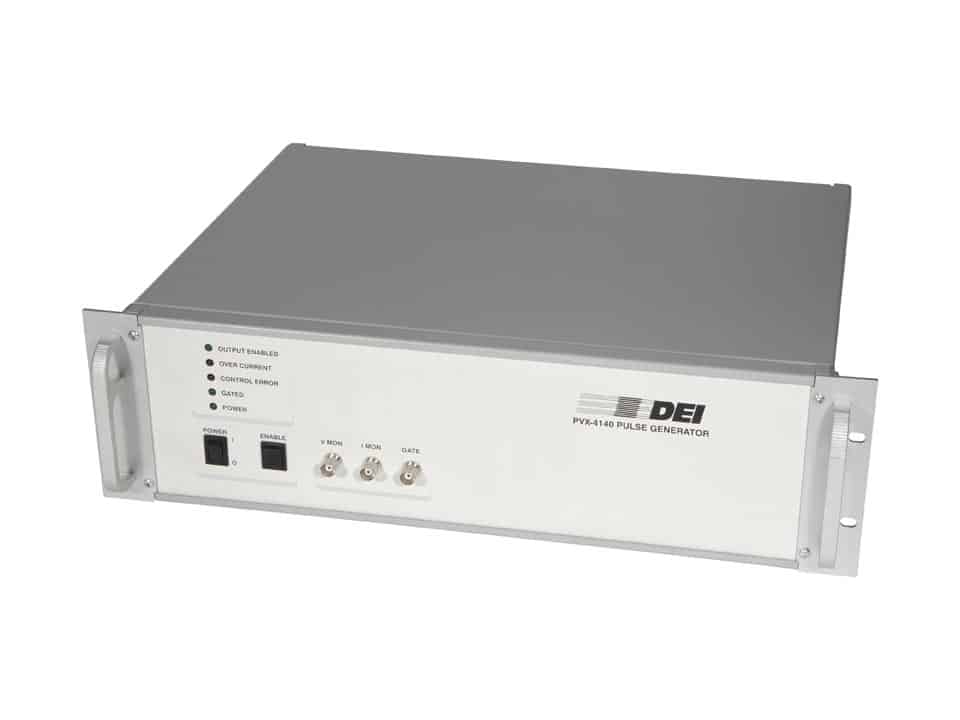
In the rapidly evolving field of electronic manufacturing and research, the demand for precision remains paramount. Among the array of sophisticated instruments used in modern laboratories, the pulse generator stands as a cornerstone for characterizing high-speed components. However, the reliability of these measurements hinges entirely on one critical factor: Pulse Generator Calibration. Specifically, in sectors where nanoseconds determine success or failure, regular calibration ensures that your signal integrity remains uncompromised.
1. Understanding the Operating Principle
The Anatomy of a Precision Pulse
A pulse generator doesn’t just create a wave; it manages high-energy transitions with microsecond precision.
To understand the need for calibration, you must first grasp how the device functions. A pulse generator creates specialized waveforms with high control over duty cycles. The core mechanism involves fast-switching circuitry. This system allows the tool to jump from zero to high voltage almost instantly.
In addition, users can adjust parameters such as pulse width and delay. By doing so, the instrument provides a precise stimulus to a Device Under Test (DUT). However, this complexity requires the generator to stay perfectly stable. Any internal shift will cause the output to drift from the intended settings. For this reason, professional metrology services are essential for maintaining performance.
2. Key Industry Applications
Pulse generators are vital in several high-stakes technical fields. Their ability to deliver fast pulses makes them a top choice for experts.
2.1. Semiconductor Characterization
Engineers use these pulses to check the efficiency of Power MOSFETs. They also test IGBT components for voltage breakdown. Because silicon is sensitive to heat, precise pulse control is a must. Specifically, accurate pulse width prevents thermal damage during testing.
2.2. Laser Diode Driving
In fiber-optic networks and LIDAR, these tools provide trigger signals. These signals drive laser diodes at high speeds. However, any instability in the pulse shape can cause data jitter. This leads to signal loss or errors in the network.
2.3. Physics Research
Particle accelerators need pulses to drive deflection plates. These plates require microsecond precision to work. Therefore, a flat pulse top is essential for success. This ensures that particles stay on the right path without moving off course.
2.4. Distance Measurements
Ultrasonic and radar systems use pulses for spatial calculations. Since these systems rely on timing, any error is dangerous. A timing error in the generator leads directly to a wrong distance reading.
3. The Necessity of Professional Calibration
You might wonder why these devices need regular checks. Over time, internal parts like capacitors and oscillators age. Heat and environmental stress cause these parts to wear down. This wear leads to “pulse distortion”. In this state, the signal no longer matches the user’s settings.
3.1. Maintaining Pulse Fidelity
Calibration ensures the “pulse anatomy” stays correct. Technicians check for issues like overshoot and ringing. If these stay unmanaged, they cause false test results. For instance, ringing can look like actual component behavior. This leads to costly errors in quality control.
3.2. Timing Accuracy and Jitter Reduction
In high-speed work, even a tiny nanosecond of jitter is bad. It can ruin an entire test or experiment. Calibration aligns the internal clock to global standards. Thus, every pulse remains perfectly timed and stable.
3.3. Safety and Regulatory Compliance
In fields like medical manufacturing, rules are very strict. Following ISO/IEC 17025 standards is not a choice. It is a requirement for doing business. Regular calibration provides the proof needed for quality audits. It also helps maintain global safety certificates.
4. The Careful Calibration Process
A professional calibration sequence takes place in a controlled lab. Technicians follow five key stages to ensure accuracy.
Stage 1: Visual and Functional Inspection
First, technicians check all physical connectors for wear. They look at BNC and N-type ports specifically. Next, they run a power-on self-test. This confirms the internal software is working as it should.
Stage 2: Voltage Check
Using precise meters, the team verifies the output voltage. They test the full range from millivolts to high-voltage peaks. This ensures the amplitude accuracy meets the maker’s claims.
Stage 3: Shape and Timing Analysis
This step is the most critical part of the process. Technicians use high-bandwidth scopes to measure rise time. They also check pulse width and frequency. This confirms that transitions are as fast as the job requires.
Stage 4: Error and Aberration Testing
Experts analyze the signal for hidden errors. They look for “overshoot” and “undershoot” issues. Then, they quantify these values as a percentage. This ensures the signal stays within safe limits.
Stage 5: Final Certification
Finally, the lab issues a detailed certificate. This document shows “As-Found” and “As-Left” data. It gives you a clear history of how your tool is performing.
5. Partnering with Techmaster Electronics
Techmaster Electronics is a leading partner for pulse generator metrology. We provide world-class services for research and manufacturing firms. Our labs hold ISO/IEC 17025 accreditation. This status guarantees that our measurements have international traceability.
In addition, we know that downtime costs your business money. Therefore, we offer fast turnaround times to help you stay on track. We also provide flexible on-site options for your convenience. Whether you are in the United States, Mexico, or Southeast Asia, we help you succeed. We provide the technical reliability that your mission-critical projects deserve.
Conclusion
The accuracy of a pulse generator is the base for reliable high-speed testing. By following a strict calibration plan, you can stop signal distortion. You also protect the long-term integrity of your data. Choosing Techmaster Electronics ensures your tools remain precise and dependable assets. In the end, investing in Pulse Generator Calibration today is the best way to protect your future innovations.
Your Mission-Critical Metrology Partner
Techmaster Electronics delivers world-class accredited services across the USA.
Frequently asked questions
What is Pulse Generator Calibration?
How often should a Pulse Generator be calibrated?
What standards apply to Pulse Generator Calibration?
What is included on the certificate?
Can you calibrate the Pulse Generator on-site?
Need Pulse Generator calibration?
ANAB-accredited, NIST-traceable, fast turnaround, in-lab or on-site across the USA.
Contact us for a quoteReferences & industry standards
- ISO/IEC 17025 testing & calibration laboratory requirements
- NIST calibration services and measurement traceability
- NIST RF electromagnetics metrology
- A2LA / ANAB accreditation for calibration laboratories
External standards bodies. Techmaster Electronics is an ISO/IEC 17025-accredited, NIST-traceable calibration laboratory.

Khanh Nguyen is the Marketing Manager at Techmaster Electronics, a B2B marketing leader covering the test, measurement, and ISO/IEC 17025 accredited calibration industry across the US and Vietnam markets.