
Blog
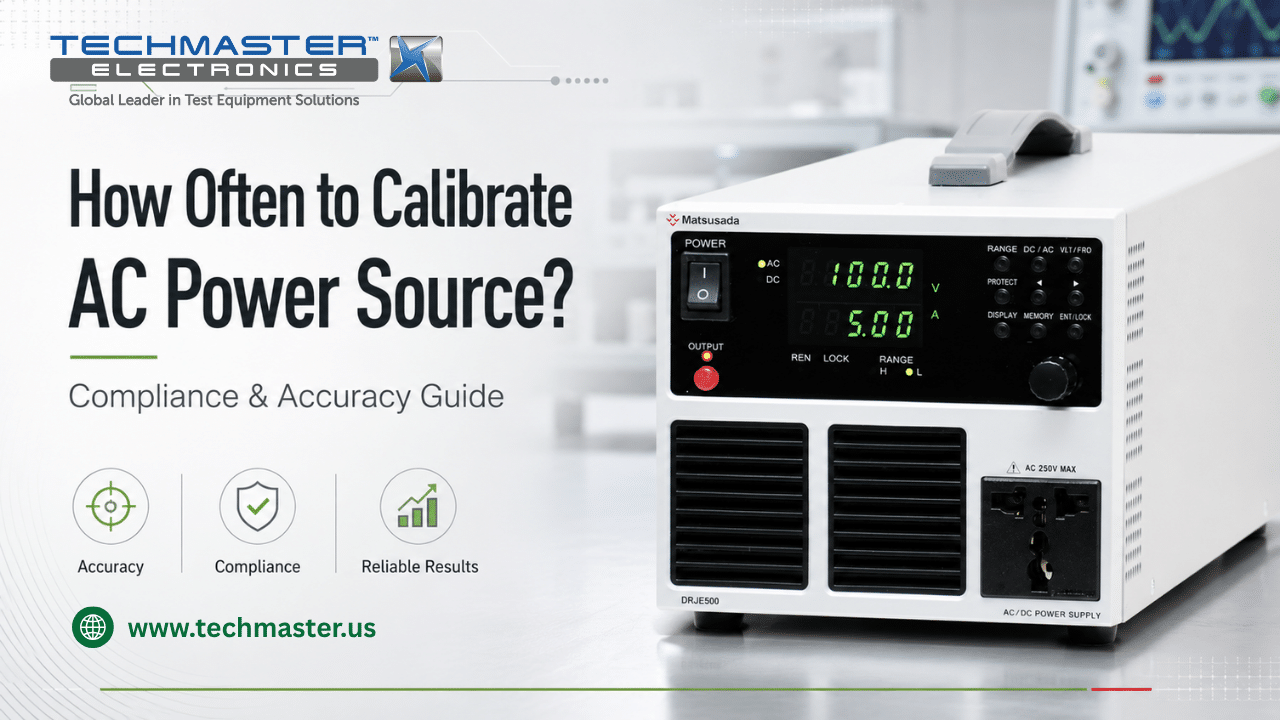
How Often Calibrate AC Power Source?
AC Power Source Calibration: Ensuring Measurement Integrity Maintaining the accuracy of an AC power source...
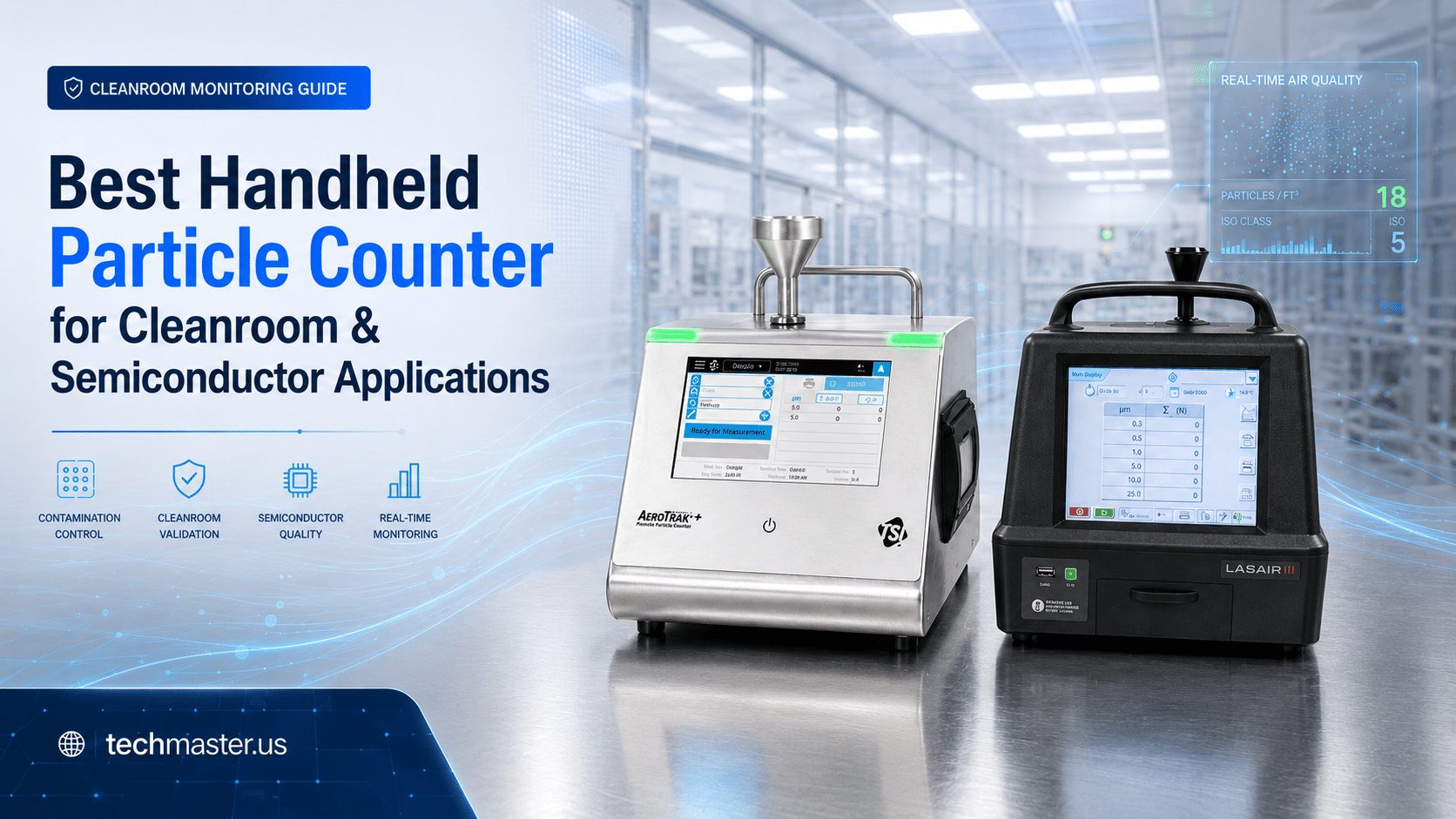
Best Handheld Particle Counter for Cleanroom & Semiconductor
Finding the Best Handheld Particle Counter for Cleanroom & Semiconductor Applications Note on particle counters:...
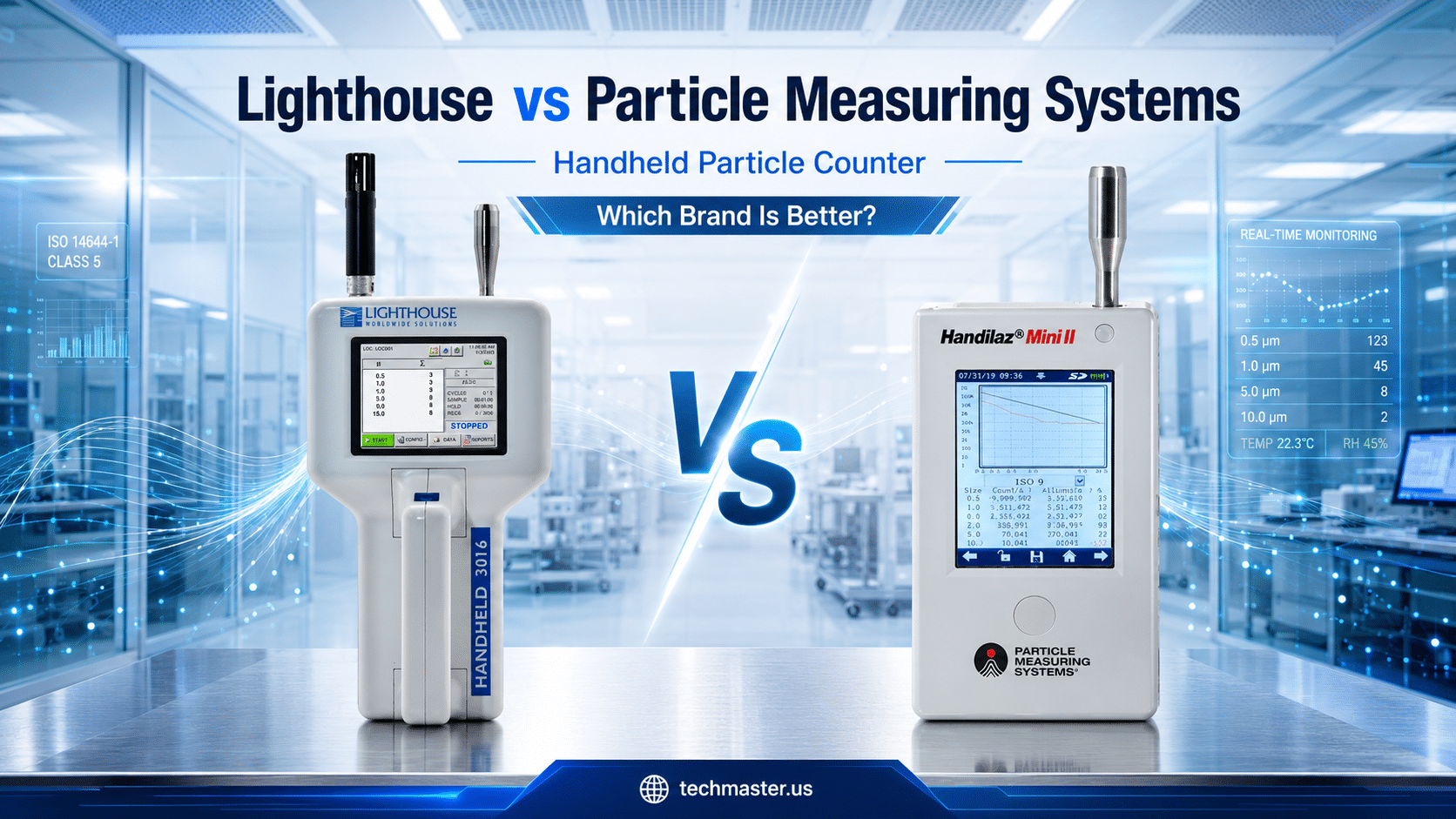
Lighthouse vs PMS Handheld Particle Counter
Lighthouse vs Particle Measuring Systems Handheld Particle Counter: Which Brand Is Better? Note on particle...
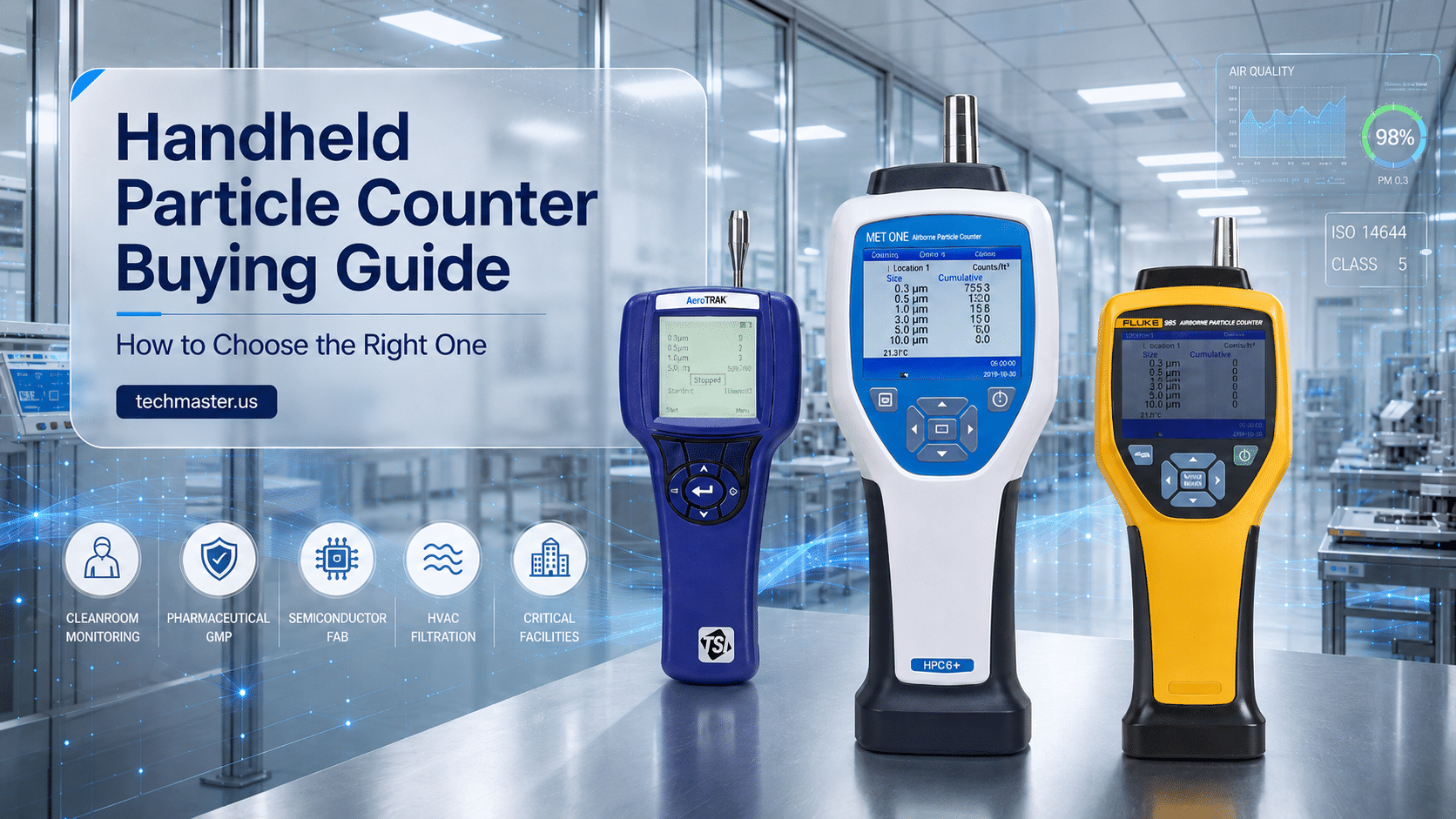
How to Choose a Handheld Particle Counter | Buyer’s Guide
How to Choose a Handheld Particle Counter | Buyer’s Guide Note on particle counters: This...
Calibration Lab Environmental Conditions: Temperature & Humidity Control (ISO/IEC 17025)
Why ISO/IEC 17025 calibration labs control temperature and humidity: the 20 °C reference, thermal expansion...
Allan Deviation Explained: Measuring Oscillator & Frequency Stability
Allan deviation (ADEV) is the standard metric for oscillator and frequency-standard stability. Learn how to...
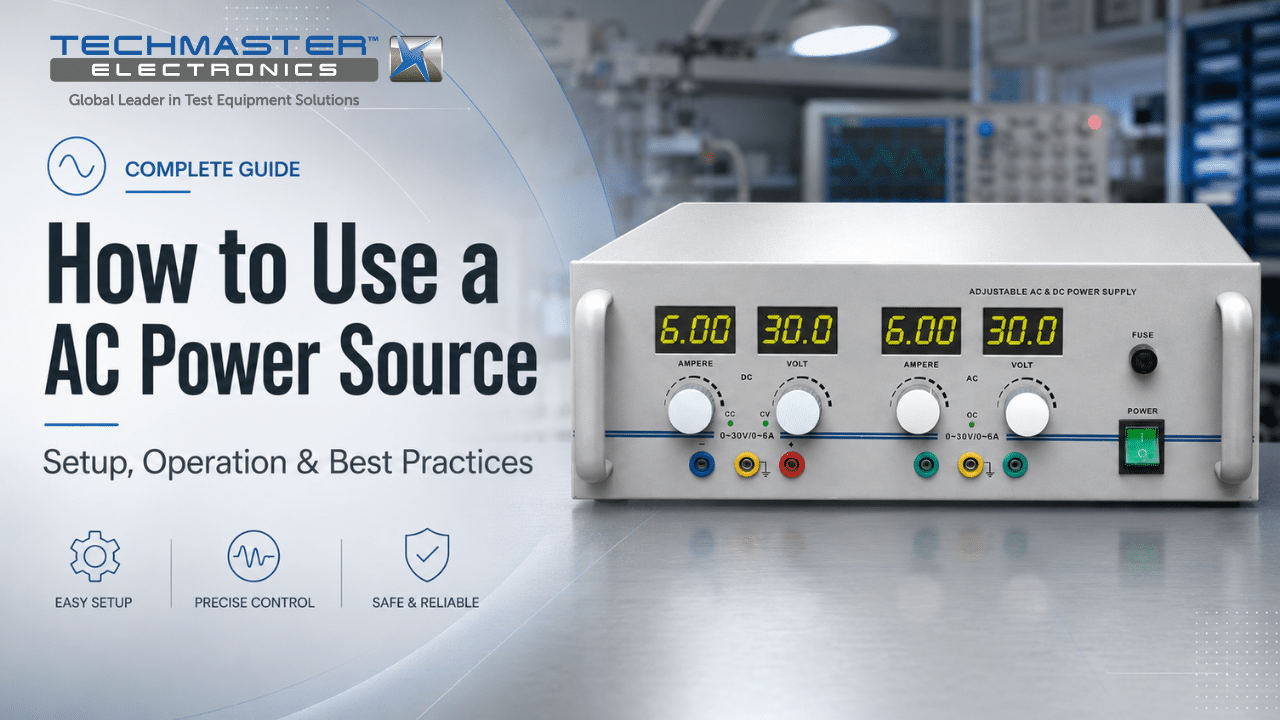
How to Use an AC Power Source?
How to Use an AC Power Source: Setup, Operation & Best Practices An AC power...
How to Build a Measurement Uncertainty Budget (ISO/IEC 17025)
A step-by-step guide to building a measurement uncertainty budget for ISO/IEC 17025 calibration: Type A...
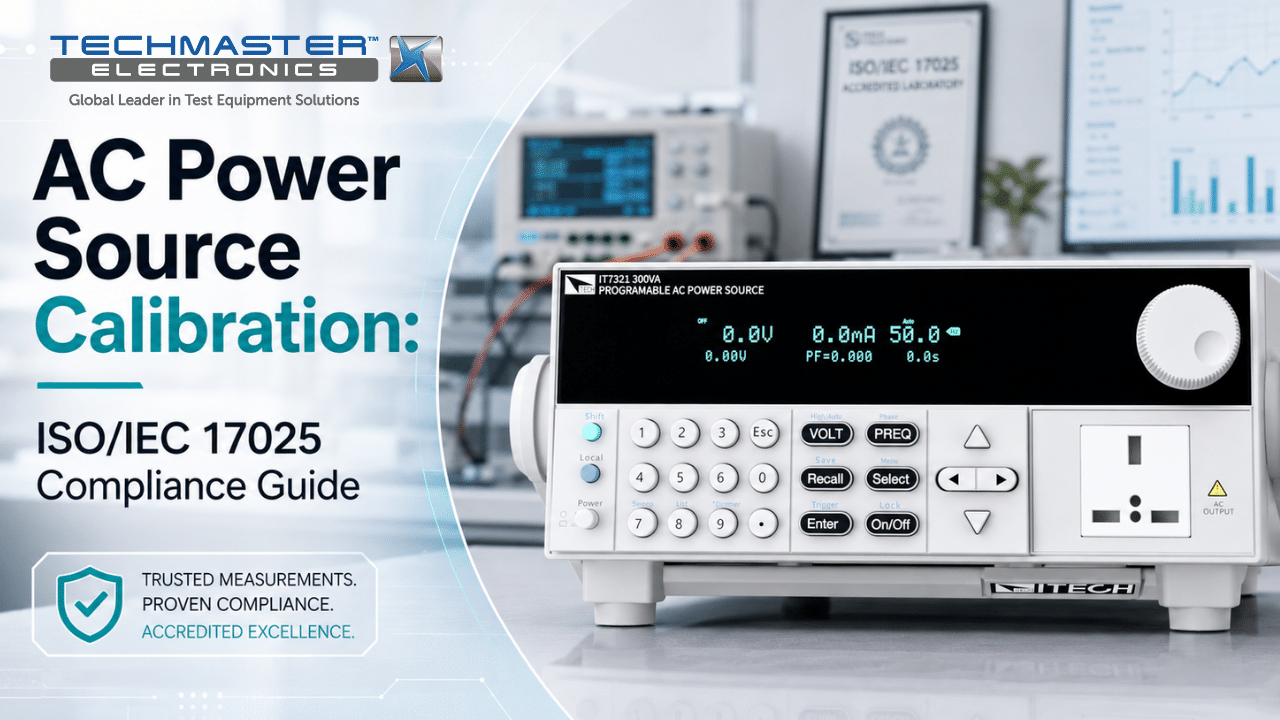
AC Power Source Calibration: Precision in Electrical Testing
AC Power Source Calibration: Ensuring Precision in Electrical Testing Reliable electrical testing depends on accurate...
Calibration vs Gage R&R (MSA): What’s the Difference and Do You Need Both?
Calibration verifies a gage reads true against a traceable standard; Gage R&R (MSA) measures how...