
Finding the Best Insulation Resistance Tester for Electronics Manufacturing Applications
Electronics manufacturing demands absolute precision. A single failure in electrical insulation can compromise an entire product line. Furthermore, poor insulation leads to safety hazards and costly recalls. Therefore, selecting the best insulation resistance tester for electronics manufacturing is critical for your quality assurance process.
Accuracy matters immensely in this field. Without reliable measurements, quality managers cannot guarantee product safety. Consequently, strict Calibration service schedules are necessary to keep these instruments accurate. This guide explores how to choose the right tester, why accuracy is vital, and how proper calibration maintains your operational reliability.
1. What Is an Insulation Resistance Tester (Megohmmeter)?
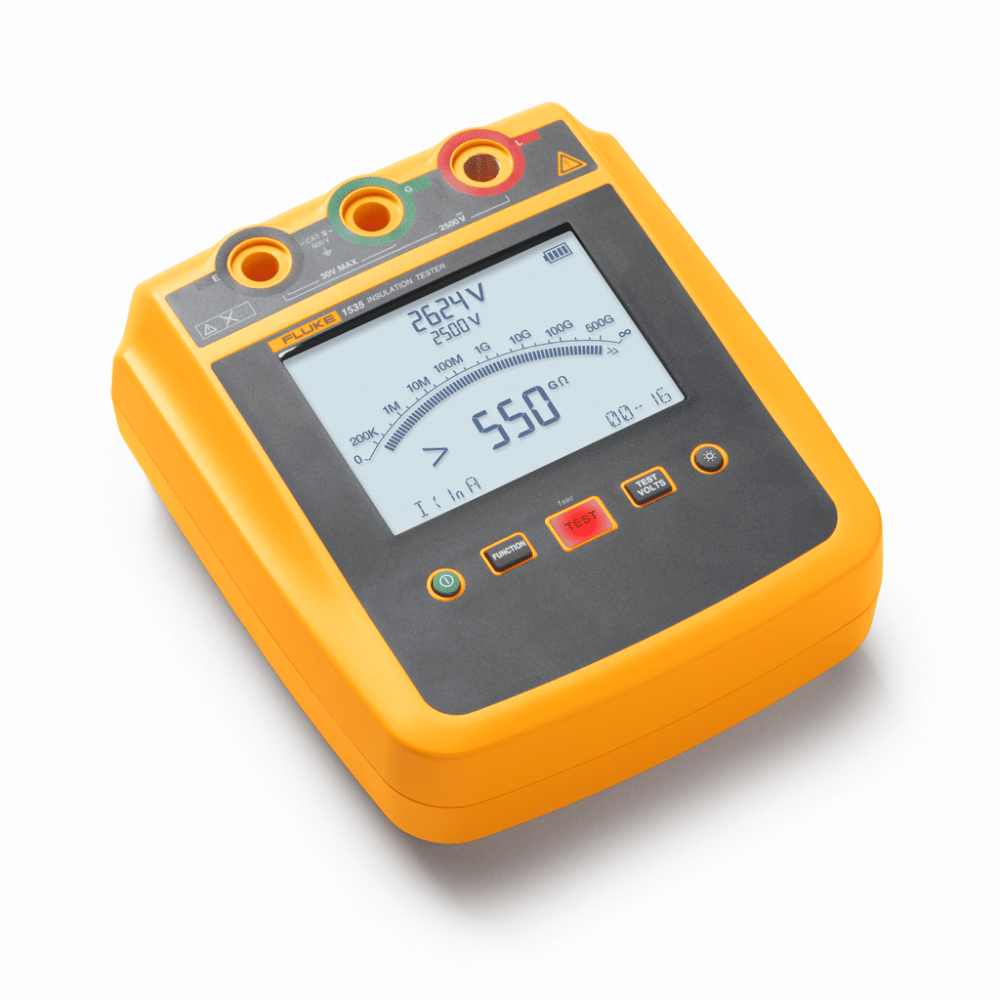
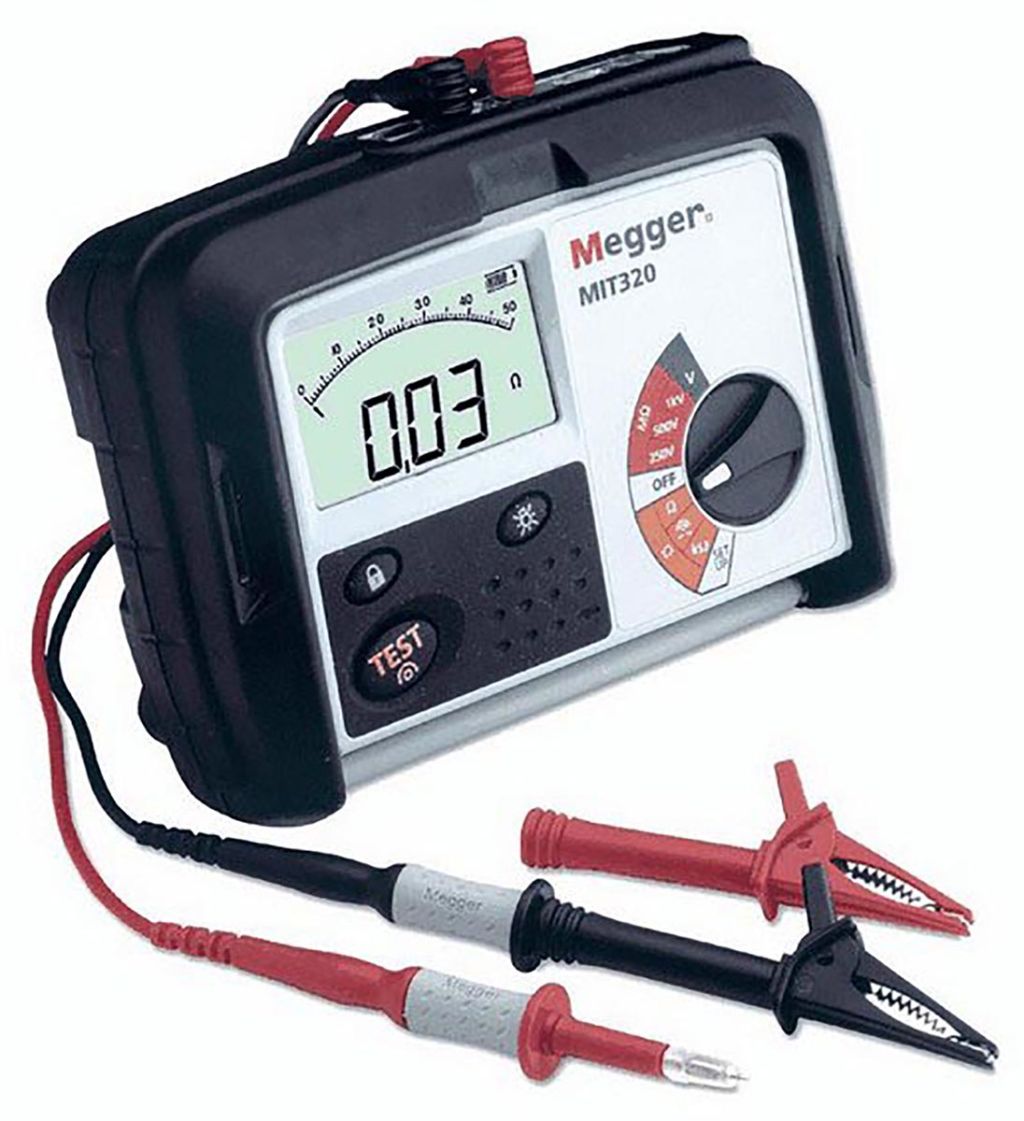
An insulation resistance tester is a specialized instrument used to measure the electrical resistance of insulators. Industry professionals commonly refer to this device as a megohmmeter. Unlike standard multimeters, megohmmeters apply a high DC voltage to the component under test.
Specifically, the device measures the tiny leakage current that flows through the insulation. It then calculates the resistance value using Ohm’s Law. In electronics manufacturing, testing voltages typically range from 50V to 1000V. This range effectively stresses the insulation without causing permanent damage to sensitive microelectronics.
Ultimately, these testers verify that conductive parts are properly isolated. This isolation prevents short circuits, protects users from electric shock, and ensures that electronic assemblies function correctly over their expected lifespan.
2. Top Brands for Electronics Manufacturing Applications
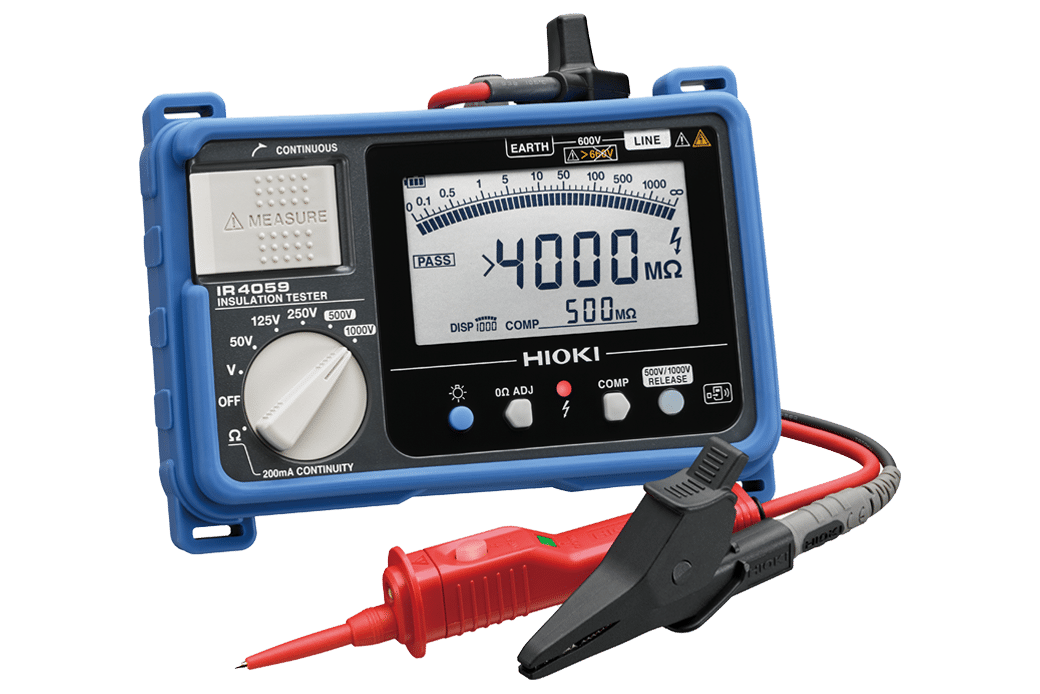
3. Why the Best Insulation Resistance Tester for Electronics Manufacturing Matters
Ensuring Measurement Accuracy and Traceability
Measurement accuracy is the foundation of quality control. If your megohmmeter provides inaccurate readings, you risk passing defective products or rejecting good ones. Accurate insulation resistance testing guarantees that your products meet strict engineering specifications. Traceability to national standards ensures your measurements are valid across the global supply chain.
Regulatory Compliance and Safety
Electronics manufacturers must comply with stringent safety standards. Organizations such as UL, CE, and IEC mandate specific insulation resistance thresholds. Utilizing high-quality test and measurement equipment ensures you meet these regulatory requirements. Consequently, compliance protects your company from legal liabilities and safeguards the end-user.
Risk Reduction and Product Quality
Failing to detect weak insulation leads to catastrophic field failures. Heat, moisture, and vibration degrade insulation over time. By accurately testing components during manufacturing, you identify potential weaknesses early. As a result, you significantly reduce the risk of premature product failure and enhance overall brand reputation.
4. Common Applications in Electronics Manufacturing
5. Calibration Standards and Traceability
ISO/IEC 17025 Accreditation
Choosing the right tester is only the first step. You must also maintain its accuracy through accredited calibration. ISO/IEC 17025 is the international standard for testing and calibration laboratories. It ensures that the laboratory possesses the technical competence to perform accurate measurements. Therefore, you should always seek calibration from an accredited provider.
NIST-Traceable Calibration
Traceability connects your instrument’s measurements to recognized national standards. In the United States, this means traceability to the National Institute of Standards and Technology (NIST). A NIST-traceable calibration certificate provides documented proof of your instrument’s accuracy. Consequently, auditors and quality inspectors universally require this documentation during facility audits.
Measurement Uncertainty and Guardbanding
Every measurement has a margin of error. Calibration laboratories calculate this as measurement uncertainty. Quality calibration providers report this uncertainty on your certificate. Furthermore, advanced labs use guardbanding techniques to reduce the risk of false-accept or false-reject decisions. This rigorous approach ensures your equipment remains strictly within tolerance.
6. Common Issues Found During Megohmmeter Calibration
7. How Often Should This Equipment Be Calibrated?
Calibration intervals depend on several critical factors. First, consider the manufacturer’s recommendations. Most OEMs suggest an annual calibration cycle for insulation resistance testers. However, high-volume production environments may require semi-annual calibrations due to heavy mechanical wear and electrical stress.
Second, evaluate your industry requirements. Medical device and aerospace manufacturers often mandate strict calibration intervals. Finally, review your internal quality procedures. If an instrument frequently drifts out of tolerance, you should shorten its calibration interval. Ultimately, regular calibration guarantees consistent accuracy and operational reliability.
8. What to Look for in a Calibration Provider
Selecting the right calibration laboratory is vital. First, verify their ISO/IEC 17025 accreditation status. Review their scope of accreditation to ensure they are qualified to calibrate high-voltage and high-resistance instruments. A broad scope indicates a high level of technical capability.
A professional laboratory provides comprehensive documentation. Look for providers that offer detailed calibration certificates with “As Found” and “As Left” data. Additionally, consider their turnaround time. Fast, reliable service minimizes your production downtime. Excellent customer support ensures that your specific technical questions are answered promptly.
9. Techmaster Equipment Rental Services
10. Why Choose Techmaster Electronics?
Techmaster Electronics stands as a premier calibration partner for quality-driven industries. With decades of experience in electronic test equipment, our metrology experts understand the unique demands of electronics manufacturing. We maintain rigorous ISO/IEC 17025 accreditations to guarantee the highest level of measurement confidence.
Our laboratories provide fast turnarounds, clear communication, and impeccable documentation. Whether you need in-lab calibration or on-site service, our technicians deliver precise, reliable results. We are committed to keeping your manufacturing processes compliant, safe, and highly efficient. Trust Techmaster to safeguard your measurement accuracy.
11. Conclusion
Choosing the best insulation resistance tester for electronics manufacturing is vital for product safety and brand reputation. These precise instruments detect hidden defects and prevent catastrophic electrical failures. However, even the best equipment loses accuracy over time.
Regular, accredited calibration is the only way to ensure your measurements remain trustworthy and compliant with industry standards. By partnering with a proven metrology laboratory, you mitigate risk and maintain seamless production lines. Prioritize accuracy, demand traceability, and protect your manufacturing process through professional calibration.
12. FAQ Section
Frequently asked questions
What is insulation resistance tester calibration?
Insulation Resistance Tester Calibration is the documented comparison of a insulation resistance tester against NIST-traceable reference standards under ISO/IEC 17025. It quantifies the insulation resistance tester’s error and measurement uncertainty and confirms it performs within tolerance, with as-found and as-left data on the certificate.
How often should a insulation resistance tester be calibrated?
Most quality systems calibrate a insulation resistance tester every 12 months, or sooner after repair, overload, or before critical measurements. Set your interval from the manufacturer spec and your ISO 9001 / 13485 / AS9100 program and drift history.
Is Techmaster’s insulation resistance tester calibration ISO 17025 accredited?
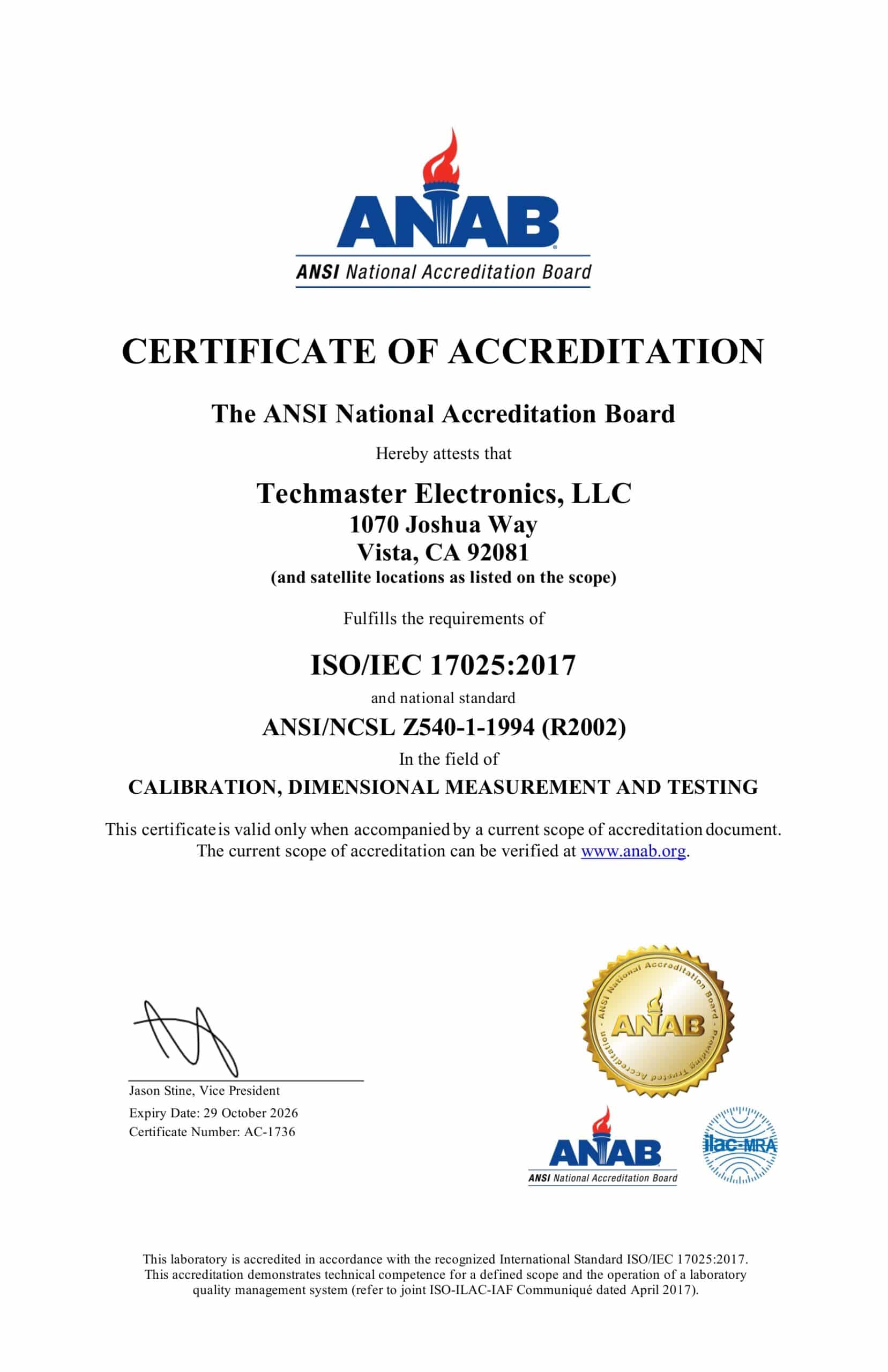
Yes. Techmaster Electronics is ISO/IEC 17025:2017 accredited by ANAB (Certificate AC-1736). Every insulation resistance tester calibration is NIST-traceable and issued with a full measurement-uncertainty budget.
What is the turnaround for insulation resistance tester calibration?
Standard turnaround is 5 business days, with 1–2 business-day expedite available. On-site calibration removes shipping time entirely for insulation resistance testers that can’t leave the floor.
Do you calibrate insulation resistance testers on-site or in-lab?
Both. Techmaster runs five US labs (Vista CA, Santa Clara CA, Orlando FL, San Antonio TX, Holly Springs NC) and offers nationwide on-site insulation resistance tester calibration to minimize downtime.
References & industry standards
- ISO/IEC 17025 testing & calibration laboratory requirements
- NIST calibration services and measurement traceability
- NIST Fundamental Electrical Measurements
- A2LA / ANAB accreditation for calibration laboratories
External standards bodies. Techmaster Electronics is an ISO/IEC 17025-accredited, NIST-traceable calibration laboratory.

Calibration engineer at Techmaster Electronics, ISO/IEC 17025 accredited laboratory with 35+ years of metrology expertise.