
Cable Length Meter Calibration
Accuracy across the range
How Cable Length Meter calibration works
- Intake & visual inspection
- Environmental stabilization
- As-found measurement
- Comparison to NIST-traceable standards
- Adjustment if required
- As-left results & certificate
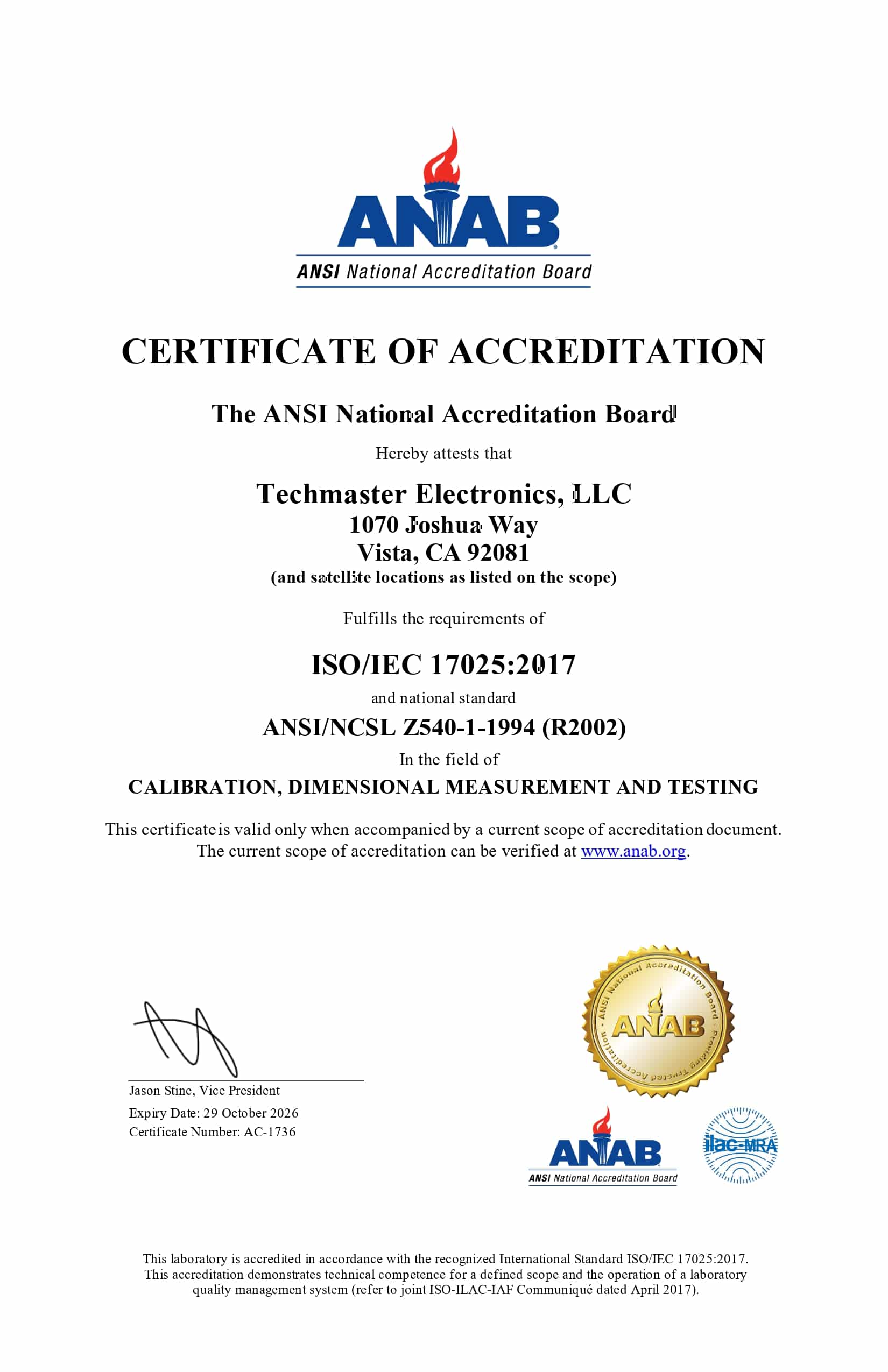
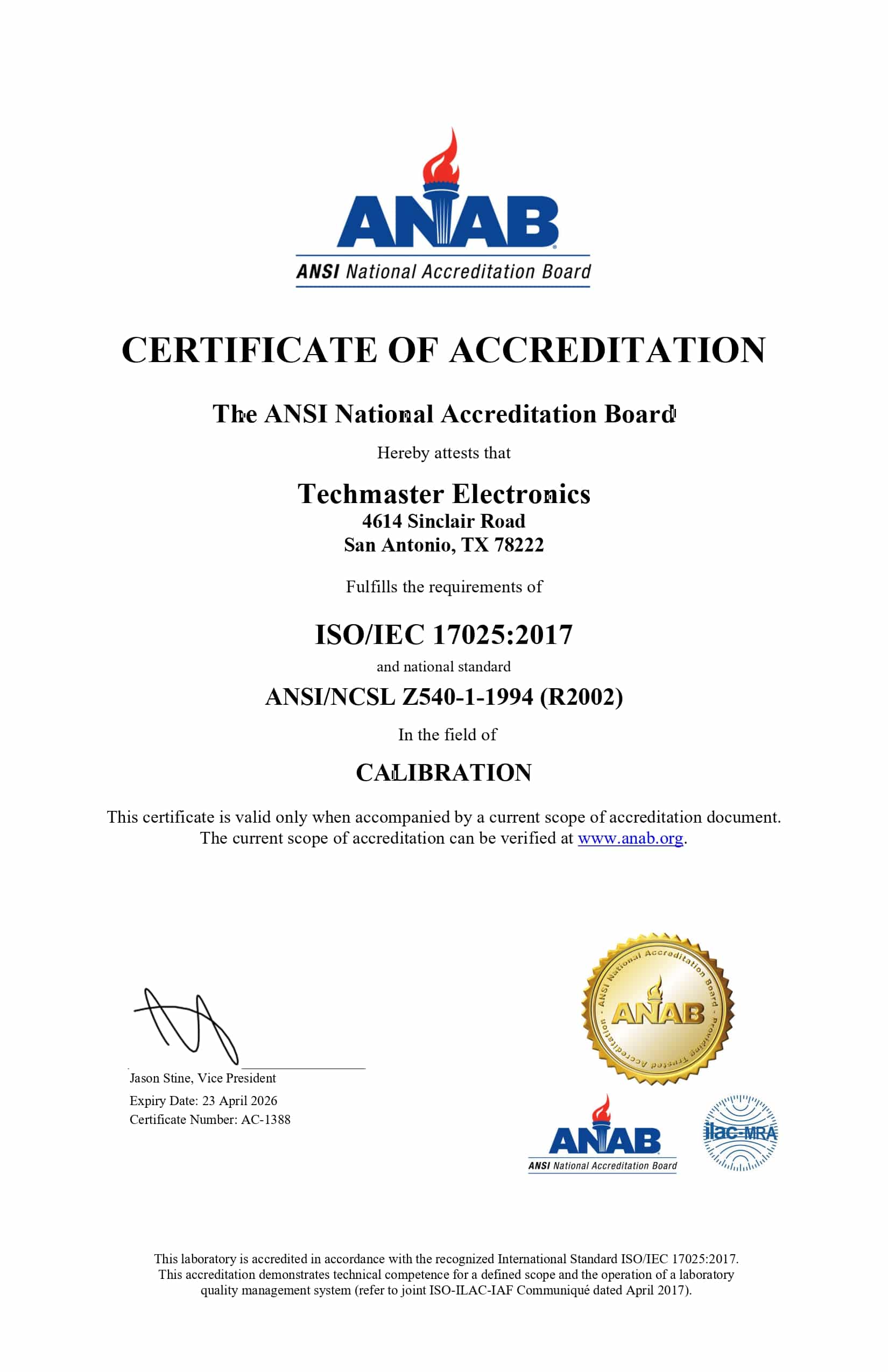
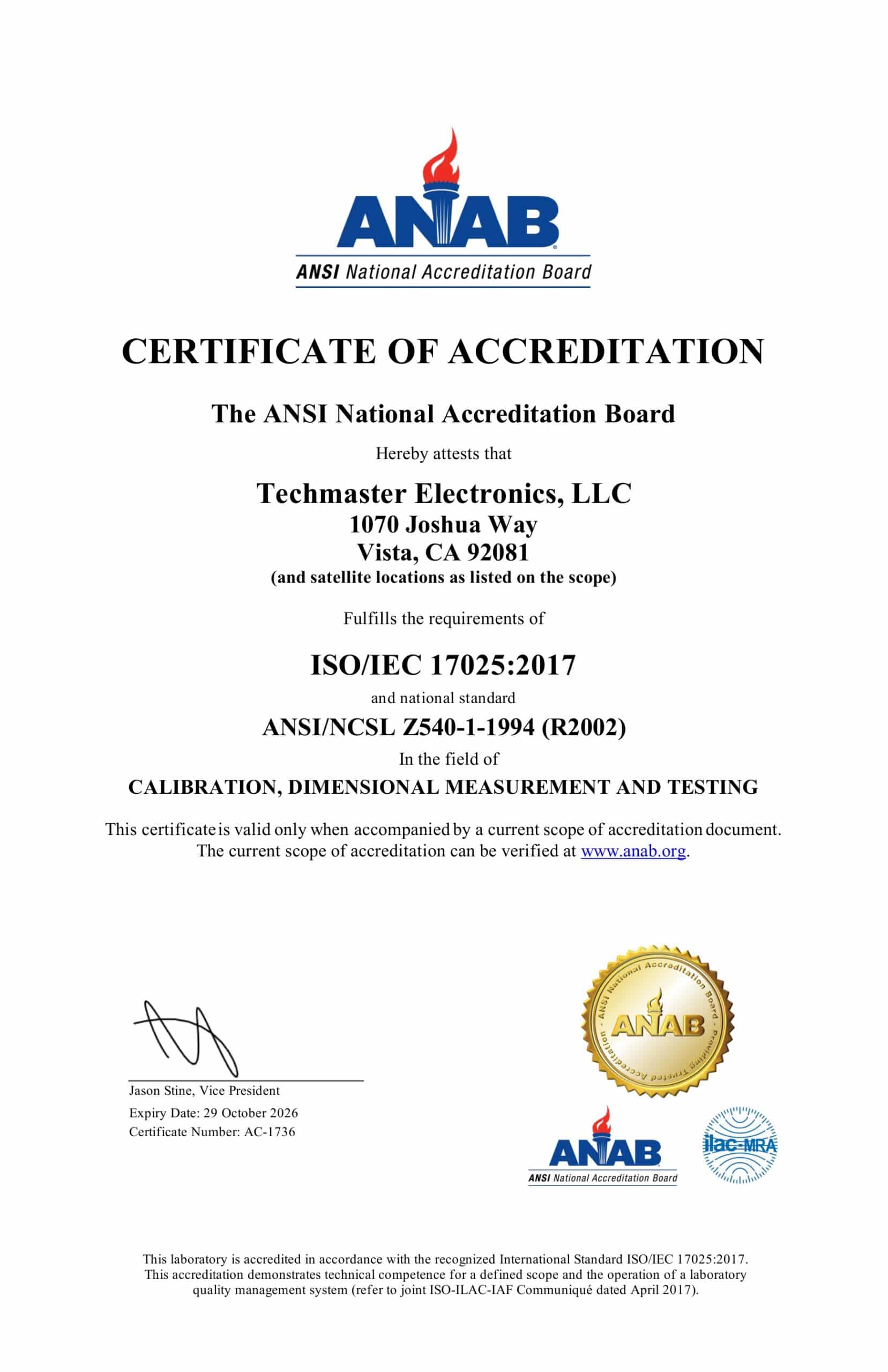
Your calibration, covered
In-lab vs on-site calibration
In-lab calibration
- Accredited bench with full reference standards
- Best achievable measurement uncertainties
- Pickup & return logistics handled
- Ideal for precision and reference work
On-site calibration
- We calibrate the Cable Length Meter at your facility
- No shipping risk or transit downtime
- As-found data captured before any move
- Ideal for fixed, large or sensitive assets
In-depth guide
Cable Length Meters: Industrial Applications and the Vital Necessity of CABLE LENGTH METER Calibration

In the fast-paced sectors of electrical engineering, telecommunications, and logistics, the ability to accurately determine the length of a cable on a spool, without unwinding it, represents a significant economic advantage. Modern engineers and warehouse managers now rely on the cable length meter as an indispensable tool to save time and eliminate material waste. However, the reliability of the figures shown on the digital display depends entirely on the accuracy of the device. Therefore, professional CABLE LENGTH METER Calibration serves as the foundation for trustworthy measurements. This article explores the technical mechanics of these devices, their diverse industrial applications, and why calibration remains a non-negotiable step for operational success.
1. How Does a Cable Length Meter Operate?
The Science of TDR Technology
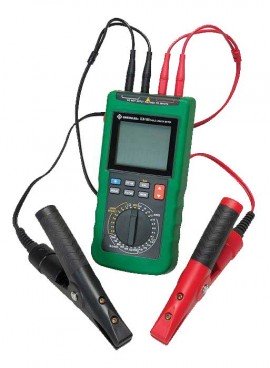
Professional meters utilize Time Domain Reflectometry (TDR). The device sends an electrical pulse down the cable and measures the exact nanosecond it takes for the signal to reflect back.
To begin with, we must examine the technical principles that allow these devices to “see” through a coiled cable. Most modern cable length meters utilize one of two primary methods: Time Domain Reflectometry (TDR) or Resistance-based measurement.
Initially, a TDR-based device sends a high-frequency electrical pulse down the cable. When this pulse reaches the end of the wire or a break point, it reflects back to the source. Subsequently, the device’s internal processor measures the exact time the pulse takes to travel to the end and back. Afterward, the instrument uses a critical parameter known as the Velocity of Propagation (VoP) to calculate the actual physical length.
However, external factors and internal component aging can alter the sensitivity of the measurement circuit. Because the device relies on nanosecond-level timing, even a microscopic shift in the internal clock can result in a massive error in distance. Consequently, CABLE LENGTH METER Calibration is essential to ensure that the device’s logic remains aligned with physical reality.
2. Real-World Industrial Applications
Logistics
Rapid inventory audits of partially used cable drums.
Installation
Verifying spool lengths before critical pulls to prevent shortages.
Maintenance
Pinpointing underground faults or hidden breaks accurately.
A cable length meter is much more than a simple electronic ruler. On the contrary, it acts as a central hub for efficiency across various industrial scenarios.
2.1. Inventory Management and Logistics
Inside large electrical supply warehouses, thousands of spools exist in various states of use. Instead of manually rewinding a spool to count every meter, a process that wastes immense labor, warehouse staff simply clip the meter’s leads to the wire ends. Immediately, the device displays the remaining length with high precision. This efficiency not only speeds up the inventory process but also ensures that stock data remains 100% accurate for financial reporting.
2.2. Telecommunications and Site Installations
Before starting a major cable pull through a building or an underground conduit, engineers must verify that the current spool contains enough material. Running out of cable just a few meters short of the destination creates a massive financial loss and delays the entire project. By using a cable length meter, technicians can confirm the spool’s capacity in seconds. This allows them to make informed decisions before they commit to a complex installation.
2.3. Fault Location and Troubleshooting
In addition, cable length meters, especially TDR models, serve as excellent diagnostic tools. When a cable breaks deep inside a wall or beneath the ground, the meter identifies the reflection point at the location of the fault. By displaying the exact distance from the device to the break, technicians can pinpoint the repair area without excavating the entire infrastructure. Similarly, this prevents the unnecessary replacement of healthy cable segments.
3. Why Must Businesses Prioritize CABLE LENGTH METER Calibration?
Precision after Calibration
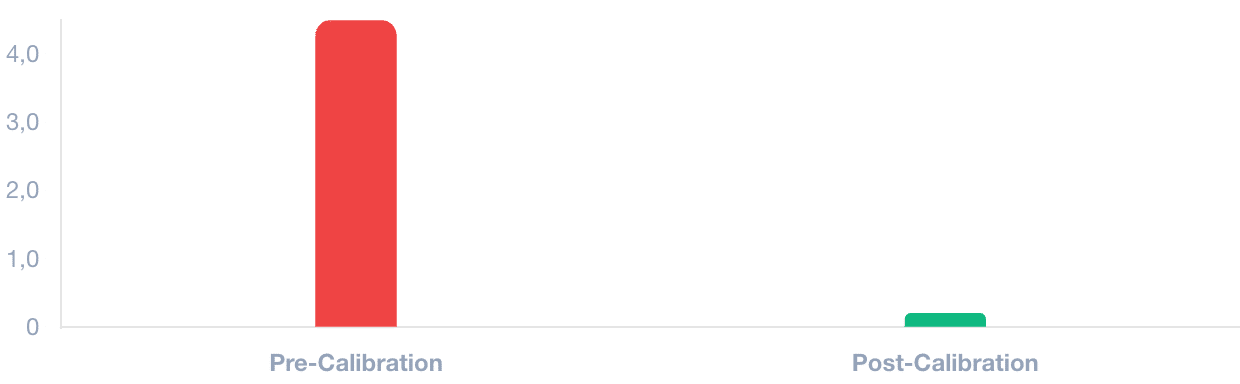
Owning a high-end instrument does not guarantee permanent accuracy. In fact, CABLE LENGTH METER Calibration is a strategic requirement for the following reasons:
-
Ensuring Financial Consistency: In the cable trade, a 1% error on a 1000-meter spool can lead to significant financial discrepancies. Calibration ensures that both the seller and the buyer agree on the measurement, which prevents commercial disputes and maintains trust.
-
Compensating for Environmental Drift: Temperature and humidity can subtly change the conductive properties of copper and aluminum. Regular calibration helps the device adjust to these environmental shifts, ensuring the results remain consistent regardless of whether the technician works in a hot warehouse or a cold construction site.
-
Maintaining Regulatory Compliance: Large-scale infrastructure projects often demand that all measuring equipment hold a valid calibration certificate. If a company fails to perform CABLE LENGTH METER Calibration, they may find themselves disqualified from high-value government or corporate contracts that require ISO 9001 or ISO 17025 compliance.
4. The Professional Calibration Procedure
Calibration Process
To achieve a high standard of precision, calibration laboratories follow a rigorous technical protocol. This process involves much more than simply resetting the device to zero.
Step 1: Initial Inspection and Cleaning
First, the technician inspects the physical condition of the device and its alligator clips. Because oxidation on the clips can create high contact resistance, cleaning the terminals is a vital first step. Even a small amount of dirt can alter the resistance-based calculations of the meter.
Step 2: Reference Standard Comparison
Next, the specialist utilizes “Master Cables.” These are spools of cable with lengths previously verified by a higher-tier standard instrument. The technician connects the meter to several master cables of varying lengths, for example, 10m, 100m, and 500m.
Step 3: Multi-Point Measurement and Adjustment
Subsequently, the technician records the meter’s readings at these multiple points. They compare the results against the known length of the master cables. If the deviation exceeds the manufacturer’s allowable tolerance, the specialist adjusts the internal software or hardware settings to bring the meter back into alignment.
Step 4: Final Verification and Certification
Finally, after making the necessary adjustments, the laboratory performs one last round of tests to ensure stability. Once the device passes, they apply a calibration sticker and issue an official certificate. This document provides the traceability link to national or international standards.
5. Best Practices to Maintain Accuracy After Calibration
VOP Verification
Check with known cable lengths periodically.
Ensure clean contacts for stable signals.
Stable voltage ensures measurement consistency.
Proper Storage
Avoid heat and humidity to prevent drift.
After completing the CABLE LENGTH METER Calibration process, users must adopt proper handling habits to preserve the device’s precision.
-
Select the Correct Gauge: Always ensure that you have selected the correct wire gauge (AWG or $mm^2$) on the device settings. Using the wrong profile will lead to significant mathematical errors in the distance calculation.
-
Verify the VoP (Velocity of Propagation): Different manufacturers use different insulation materials, which changes the speed of electricity through the wire. Use a short, known length of cable to “teach” the device the correct VoP for a new batch of wire before measuring a large spool.
-
Avoid Extreme Temperatures: Do not leave the device in a vehicle under direct sunlight. High temperatures can accelerate the aging of sensitive electronic components, causing the device to drift out of calibration faster.
-
Regular Cleaning: Wipe the alligator clips with an alcohol-based cleaner regularly to ensure the best possible signal transmission.
Conclusion
To recap, the cable length meter is a powerful asset for any organization working with cabling infrastructure. However, the “soul” of this instrument is its precision. By committing to regular CABLE LENGTH METER Calibration, you do more than just maintain a piece of hardware; you protect your company’s capital and build a foundation of professional trust with your clients. Remember, in industrial measurement, accuracy is the ultimate currency of reputation.
Cable Length Meters & Precision Calibration
Ensuring measurement accuracy through TDR technology and ISO-compliant calibration standards.
Frequently asked questions
What is Cable Length Meter Calibration?
How often should a Cable Length Meter be calibrated?
What standards apply to Cable Length Meter Calibration?
What is included on the certificate?
Can you calibrate the Cable Length Meter on-site?
Need Cable Length Meter calibration?
ANAB-accredited, NIST-traceable, fast turnaround, in-lab or on-site across the USA.
Contact us for a quoteReferences & industry standards
- ISO/IEC 17025 testing & calibration laboratory requirements
- NIST calibration services and measurement traceability
- A2LA / ANAB accreditation for calibration laboratories
External standards bodies. Techmaster Electronics is an ISO/IEC 17025-accredited, NIST-traceable calibration laboratory.

Khanh Nguyen is the Marketing Manager at Techmaster Electronics, a B2B marketing leader covering the test, measurement, and ISO/IEC 17025 accredited calibration industry across the US and Vietnam markets.