
Finding the Best Precision / Bench Scale for Oil & Gas Applications
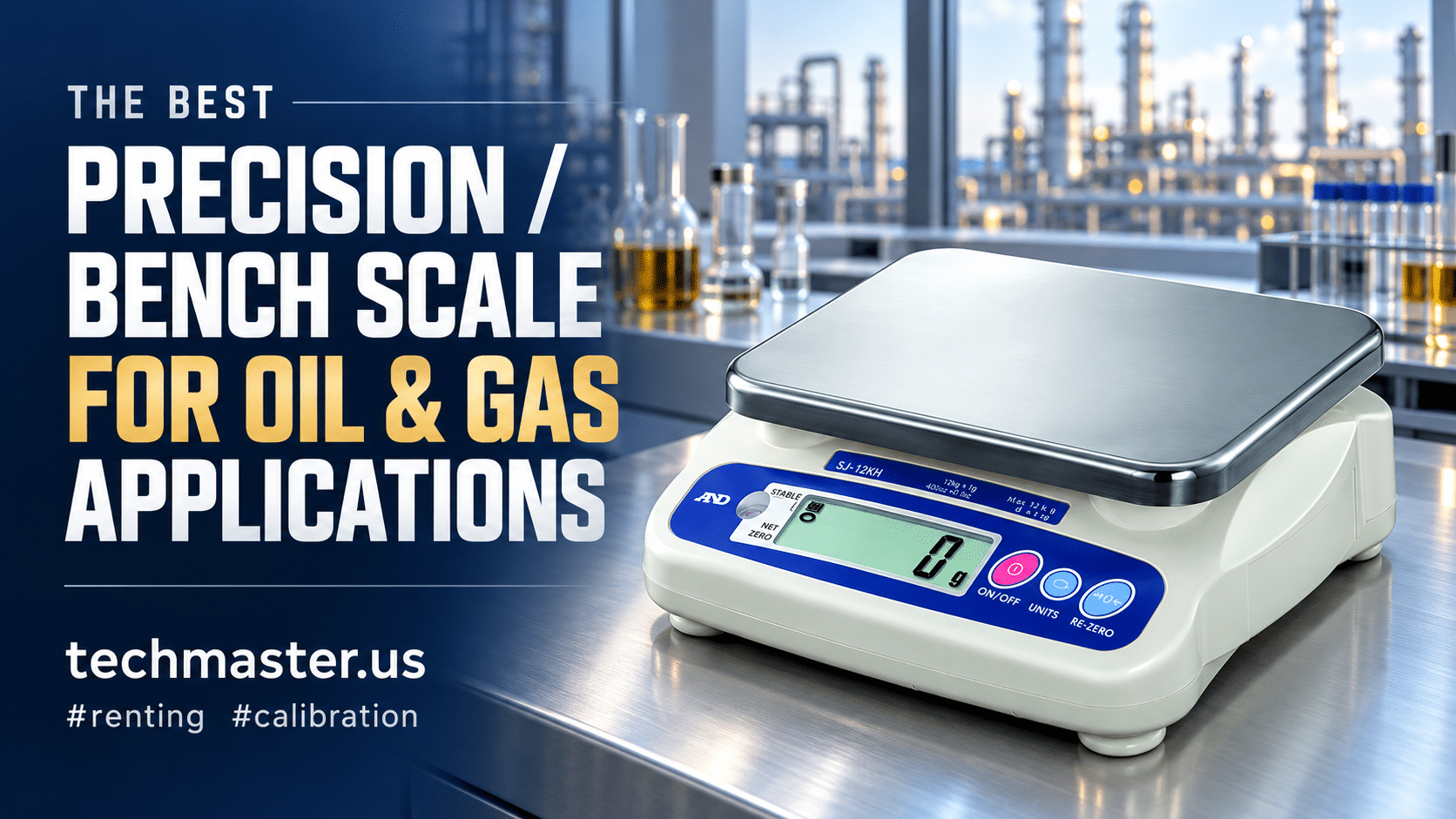
The petroleum industry operates under extremely harsh conditions and strict safety regulations. Measurement accuracy remains absolutely critical for everyday operations. Even a minor error during fluid analysis can cause catastrophic equipment failures. Therefore, facilities must utilize the best precision / bench scale for oil & gas to guarantee safety.
This comprehensive guide covers how to choose the right weighing equipment for your facility. Furthermore, we will explore the top brands available today. We will also discuss why routine calibration ensures ongoing compliance. Finally, if you need equipment immediately, Techmaster Electronics offers flexible equipment renting services. Renting allows you to access premium scales quickly without a massive capital investment.
1. What Are High-Precision Bench Scales?
A bench scale is a compact, durable weighing device designed for laboratory tables or industrial workstations. In the energy sector, these instruments look quite different from standard retail models. Manufacturers build them specifically to survive harsh, volatile environments.
These high-precision bench scales utilize advanced load cell technology. Consequently, they deliver incredibly accurate mass measurements under pressure. In addition, petroleum models often feature intrinsically safe designs. These critical safety features prevent electrical sparks from occurring. Therefore, the scales operate safely in areas filled with combustible dust or flammable gases.
Typically, these industrial scales feature heavy-duty stainless steel construction. This rugged material actively resists corrosion from harsh petrochemicals. Moreover, the digital indicators provide clear, easy-to-read data. Technicians can quickly record weights, calculate chemical mixtures, and transfer data securely.
2. Why the Best Precision / Bench Scale for Oil & Gas Matters
Measurement accuracy directly impacts both profitability and safety in the energy sector. First, exact weighing ensures regulatory compliance. Regulatory bodies demand strict documentation for environmental reporting. Second, utilizing highly accurate scales significantly reduces operational risk.
For example, drilling fluids must maintain a very specific density. If the scale provides a faulty reading, the fluid mixture will fail. As a result, this failure can cause dangerous pressure imbalances inside the wellbore. Reliable hazardous area weighing directly prevents these dangerous scenarios.
Furthermore, product quality relies heavily on exact measurements. Refineries blend fuels and additives using strict chemical formulas. Traceable, accurate scales guarantee that every single batch meets industry specifications. Ultimately, investing in top-tier weighing equipment protects your personnel, your products, and your bottom line.
3. Top Brands for Oil & Gas Precision Scales
Leading Brands for Hazardous Environments
Choosing the right brand is vital for hazardous environments. Several manufacturers lead the industry in safety, durability, and measurement accuracy. Quality managers consistently trust these top brands:
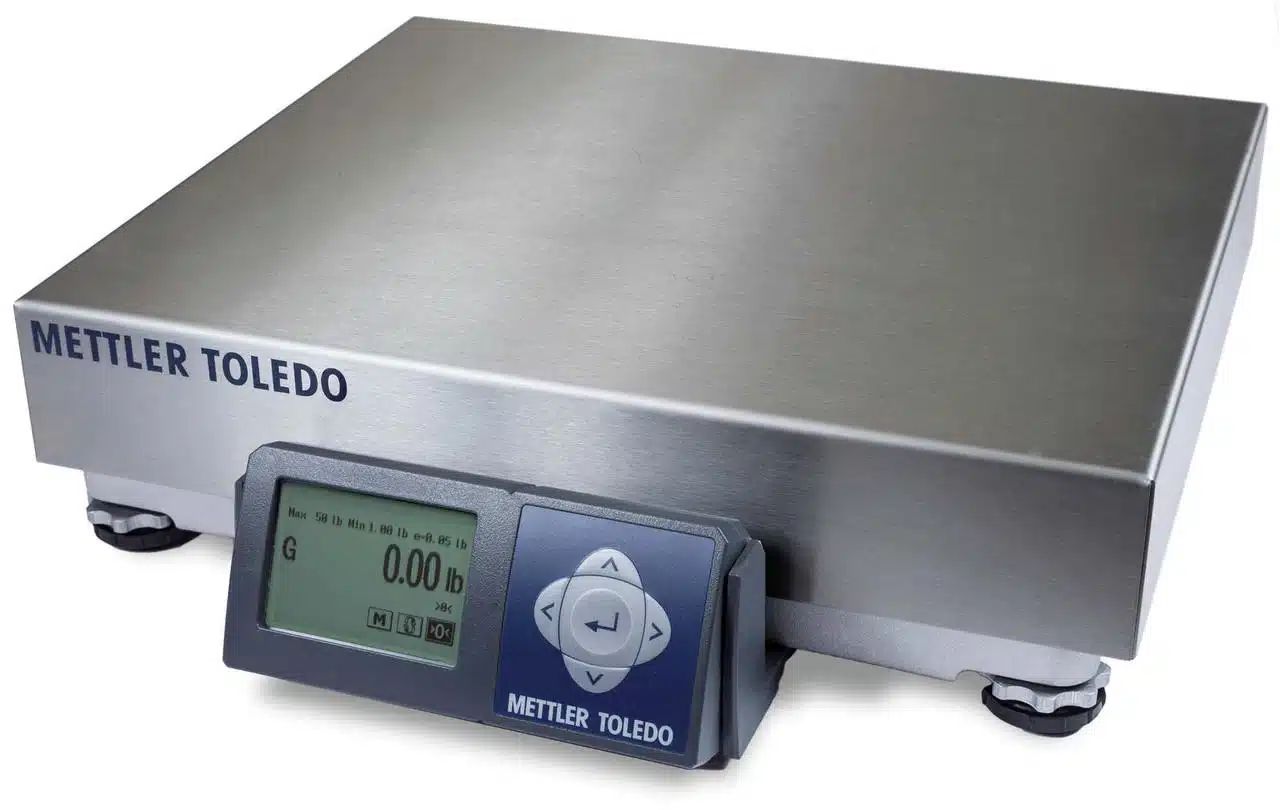
Mettler Toledo
Premium Safety
Mettler Toledo offers incredibly rugged, explosion-proof models. Their ICS466xd and BBA256x series remain highly rated for hazardous areas. These premium scales meet strict ATEX and FM safety approvals.
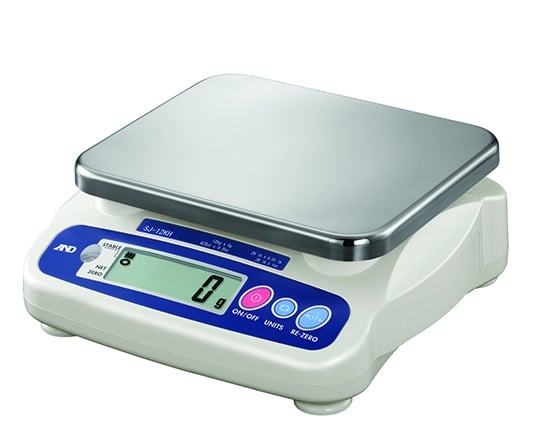
A&D Weighing
Intrinsically Safe
A&D Weighing provides the popular HW-CEP series. This series offers intrinsically safe designs built specifically for potentially explosive atmospheres. They deliver fast, accurate results while protecting your facility.
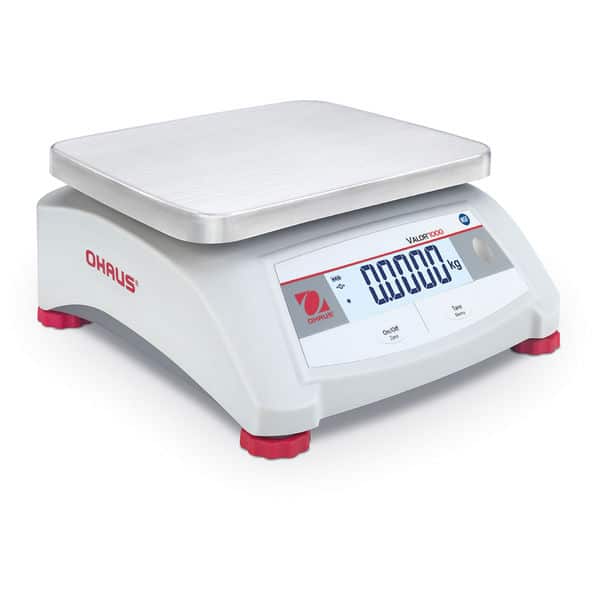
Ohaus
Cost & Performance
Ohaus manufactures highly durable bench scales that perfectly balance cost and performance. Their stainless steel models resist corrosion beautifully, making them a very reliable choice for tough environments.
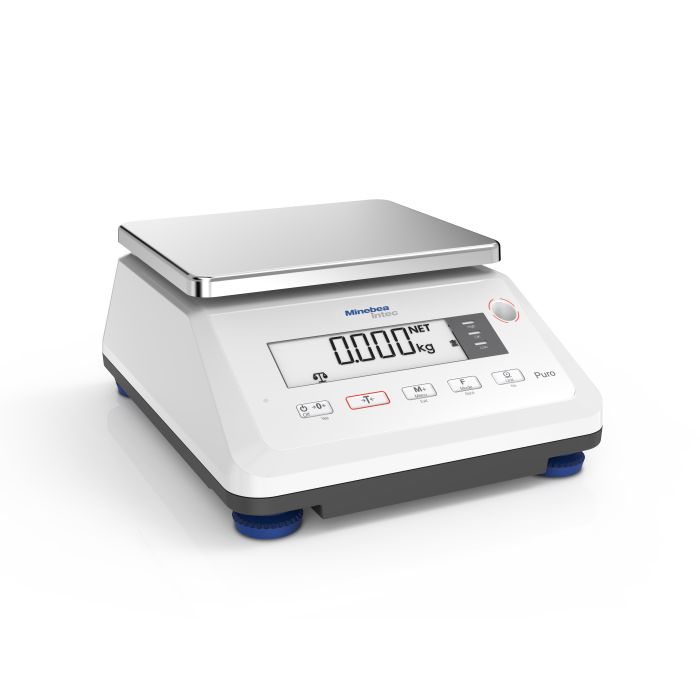
Minebea Intec
Heavy Industrial
Minebea Intec produces robust, easy-to-clean options. The Midrics series stands out for long-lasting durability in heavy industrial settings where reliability is an absolute must.
4. Common Applications in the Petroleum Industry
Oil & Gas Industry Applications
The oil and gas industry utilizes precision bench scales across multiple production stages. Downstream, midstream, and upstream sectors all depend heavily on reliable weighing solutions.
Drilling Fluid & Mud Logging
Upstream Safety
Technicians constantly monitor drilling mud on active rigs. They weigh fluid samples precisely to calculate density and fluid loss. Accurate mud weights actively prevent dangerous well blowouts. Therefore, reliable scales remain critical on every single drilling rig.
Chemical Compounding
Downstream Refining
Refineries and chemical plants mix volatile additives daily. Operators must measure these harsh chemicals with pinpoint accuracy. Even tiny deviations can easily ruin an entire production batch. Consequently, high-resolution scales ensure perfect compounding every time.
Core Sample Analysis
Geological Survey
Geologists evaluate rock samples retrieved directly from underground reservoirs. They weigh these core samples carefully to determine porosity and fluid saturation. These specific calculations help energy companies estimate hidden oil reserves. Thus, extreme precision is absolutely mandatory here.
Custody Transfer & QC
Midstream Pipeline
Pipelines and shipping terminals take frequent samples of crude oil. Laboratory technicians weigh these samples during rigorous quality control testing. Accurate measurement data ensures fair trade and strict contract compliance for all parties involved.
5. Flexible Equipment Rentals from Techmaster
Sometimes, purchasing brand new capital equipment is not the most practical option. Perhaps you need a specialized explosion-proof scale for a short-term refinery turnaround. Alternatively, you might need a temporary replacement while your primary instrument undergoes repairs.
In these unique situations, renting is a highly efficient solution. Techmaster Electronics offers flexible equipment rental services. We provide high-quality, fully calibrated precision scales for immediate deployment. Furthermore, every rental unit arrives with current, certified calibration documentation. Consequently, you can maintain continuous field operations without the heavy financial burden of a permanent purchase.
6. Calibration Standards and Traceability
Buying a premium scale is only the very first step. Over time, all electronic weighing instruments experience natural drift. Therefore, facilities must follow strict scale calibration standards to maintain measurement accuracy.
ISO/IEC 17025 remains the gold standard for testing and calibration laboratories. When a calibration laboratory holds this specific accreditation, they demonstrate elite technical competence. Furthermore, all calibration test results must be NIST-traceable. Traceability provides a documented, unbroken chain of comparisons back to national standards.
Consequently, you can legally prove your scale measures exactly what it claims to measure. In addition, quality calibration certificates report your measurement uncertainty. This specific data tells you the exact margin of error for your specific instrument.
7. Common Issues Found During Calibration
Regular calibration testing often uncovers hidden mechanical problems. If you ignore these issues, they will eventually ruin your measurements. Technicians frequently identify the following common problems during routine service:
-
Sensor Drift: Environmental changes cause delicate load cells to shift gradually. Consequently, the scale slowly loses accuracy over several months.
-
Out-of-Tolerance Results: The scale fails to read within the manufacturer’s specified accuracy limits.
-
Mechanical Wear: Dropping heavy items onto the platform damages the internal weighing mechanism.
-
Environmental Effects: Extreme temperature fluctuations expand or contract internal metal components. Moreover, heavy machinery vibrations can disrupt sensitive electronic readings.
-
Corrosion and Degradation: Harsh petrochemicals eat away at rubber seals and data cables. Eventually, this moisture ingress ruins the internal electronics completely.
Routine maintenance catches these specific problems early. Therefore, technicians can adjust the scale before it causes a major process failure.
8. How Often Should This Equipment Be Calibrated?
Determining the Correct Calibration Interval
Determining the correct calibration interval requires careful, strategic consideration. Manufacturers generally recommend calibrating industrial bench scales once a year. However, the oil and gas industry often requires much tighter schedules.
Daily Usage Frequency
First, consider your daily usage frequency. If technicians use the scale constantly, you should calibrate it every three to six months to maintain accuracy under heavy workloads.
Environmental Conditions
Second, evaluate your specific environmental conditions. Scales operating outdoors or on vibrating offshore rigs degrade much faster. Consequently, they require more frequent performance verification.
Quality Control & Risk
Finally, review your internal quality control manual. Most petroleum facilities dictate very specific service intervals. If a scale is found out-of-tolerance, you must investigate all products weighed since the last calibration. Therefore, shorter intervals actively reduce the risk of massive, expensive product recalls.
Impact on Calibration Frequency
12 Months
6 Months
3 Months
9. What to Look for in a Calibration Provider
Selecting a highly qualified calibration laboratory protects your expensive equipment investment. Do not trust your critical instruments to unverified, cheap vendors. Instead, look for a provider with proven, long-term industry experience.
First, strictly verify their ISO/IEC 17025 accreditation. Their official scope of accreditation must specifically cover mass and weighing equipment. Second, evaluate their technical capability carefully. A strong provider will always offer exceptionally low measurement uncertainty.
Third, consider their overall service flexibility. Can they perform calibrations on-site at your facility? On-site service drastically reduces your equipment downtime. Finally, review their documentation quality. They should provide clear, easy-to-read certificates that satisfy rigorous compliance audits seamlessly.
10. Why Choose Techmaster Electronics?
Quality managers heavily trust Techmaster Electronics because we deliver uncompromising accuracy. We truly understand the incredibly high stakes of the petroleum sector. Therefore, we provide specialized oil and gas calibration services designed to meet the toughest regulatory demands.
Our state-of-the-art laboratories are fully ISO/IEC 17025 accredited. Our experienced technicians understand complex industrial instruments inside and out. Furthermore, we offer incredibly fast turnaround times and highly responsive customer support. When you partner with us, you receive reliable, transparent, and technically flawless documentation. If you need a trustworthy Calibration service, our dedicated team is ready to exceed your expectations.
11. Conclusion
Measurement accuracy is the absolute foundation of safety and efficiency in the petroleum industry. Utilizing the best precision / bench scale for oil & gas ensures that your mixtures, samples, and products meet exact specifications. However, an accurate scale heavily requires routine, professional maintenance. By partnering with an accredited calibration laboratory, you reduce risk, ensure strict compliance, and protect your critical operations.
12. FAQ Section

Calibration engineer at Techmaster Electronics, ISO/IEC 17025 accredited laboratory with 35+ years of metrology expertise.