
Load Cell Calibration
Accuracy across the range
How Load Cell calibration works
- Intake & visual inspection
- Environmental stabilization
- As-found measurement
- Comparison to NIST-traceable standards
- Adjustment if required
- As-left results & certificate
Your calibration, covered
In-lab vs on-site calibration
In-lab calibration
- Accredited bench with full reference standards
- Best achievable measurement uncertainties
- Pickup & return logistics handled
- Ideal for precision and reference work
On-site calibration
- We calibrate the Load Cell at your facility
- No shipping risk or transit downtime
- As-found data captured before any move
- Ideal for fixed, large or sensitive assets
In-depth guide
Load Cell Calibration ensures reliable force measurement in manufacturing, aerospace, automotive, and materials testing. Whether you’re managing a factory floor or supplying industrial equipment, consistent accuracy starts with regular, professional calibration.
What Is a Load Cell and Where Is It Used?
A load cell is a transducer that converts mechanical force into an electrical signal. It plays a vital role in weighing systems, force testing machines, and industrial automation setups. Common fields of application include:- Manufacturing & Assembly Lines – Monitoring weight during production
- Aerospace & Automotive – Testing material stress, performance, and durability
- Medical Devices – Precision measurement for surgical tools and implants
- Construction & Civil Engineering – Structural testing and load analysis

Why Regular Load Cell Calibration Matters
Load cells are precision instruments, but even the most durable sensors can drift over time. Factors like environmental changes, heavy usage, and mechanical stress all degrade accuracy. Failing to calibrate can lead to:- Inaccurate measurements and test results
- Safety risks due to overloading or underloading
- Product quality issues and compliance failures
- Costly downtime due to unexpected failures
Overview of the Calibration Process
While technical procedures vary by load cell type and application, professional Load Cell Calibration Services generally follow this structure:- Initial Inspection – Checking for visible damage or wear
- Setup and Preloading – Mounting and applying a known load
- Data Collection – Comparing device output to a traceable reference
- Adjustment or Correction – Calibrating the output if deviations are found
- Final Documentation – Issuing a calibration certificate with results
This process ensures traceability to international standards and provides proof of compliance for audits and quality systems.

International Standards: More Than Just Checkboxes
Partnering with a calibration provider that adheres to international standards isn’t just about compliance, it’s about building a reliable, auditable quality system.
Key Standards:
-
ISO 376 – Ensures reference force instruments (used in material testing) are accurate and consistent
-
ASTM E74 – Defines performance and calibration procedures for force-measuring devices
-
ISO/IEC 17025 – Sets competence requirements for calibration laboratories, ensuring trustworthy results
Business Benefits of Standards-Based Calibration:
-
Reduces liability in case of product failures
-
Enhances quality assurance documentation during audits
-
Supports ISO 9001 and sector-specific certifications
-
Provides confidence with verifiable measurement integrity
In-house vs. Professional Calibration: Which Is Right for You?
| Factor | In-house Calibration | Professional Calibration Services |
|---|---|---|
| Cost (short-term) | Lower (if equipment already exists) | Higher upfront, but predictable and comprehensive |
| Equipment Investment | Requires certified reference weights and software | Provided by the calibration lab |
| Personnel | Needs trained staff, risk of human error | Performed by metrology-certified technicians |
| Traceability & Compliance | Often limited | Fully traceable to national/international standards |
| Documentation | May be inconsistent or incomplete | Formal calibration certificates, audit-ready |
| Ideal For | Low-risk, internal use with moderate accuracy needs | Regulated industries or high-precision, critical systems |
Bottom Line:
In-house calibration offers short-term savings for basic needs, but for high-stakes environments where accuracy, compliance, and auditability are non-negotiable, professional services are the smarter long-term investment.
How Often Should I Calibrate My Load Cells?
There is no one-size-fits-all schedule, but common practice includes:- Annually – For general industrial use
- Semi-annually or quarterly – For critical or high-precision applications
- After repairs or accidents – Immediate recalibration is recommended
- Frequency of use
- Environmental conditions (temperature, humidity, vibration)
- Required measurement accuracy
FAQ
1. How long does Load Cell Calibration take? Most calibrations can be completed within 1–3 business days, depending on lab capacity and device condition. 2. What types of load cells can be calibrated? Tension, compression, beam, and button-type load cells can all be calibrated using proper equipment and standards. 3. Can I calibrate load cells in-house?
In-house calibration is possible but requires certified reference weights, trained personnel, and documentation standards. Professional services ensure traceability and compliance.
4. Is calibration required after moving the equipment?
Yes. Any relocation, shock, or installation change can impact accuracy and should prompt recalibration.
3. Can I calibrate load cells in-house?
In-house calibration is possible but requires certified reference weights, trained personnel, and documentation standards. Professional services ensure traceability and compliance.
4. Is calibration required after moving the equipment?
Yes. Any relocation, shock, or installation change can impact accuracy and should prompt recalibration.
Contact us to receive expert consultation and a tailored Load Cell Calibration process that fits your specific equipment and operational needs. Our team ensures your devices are compliant, reliable, and ready for performance.
➤ Reach out today and let us help you stay audit-ready and error-free.
Crimper Calibration: Ensuring ISO 17025 Electrical Integrity
1 Metrology guide · ISO/IEC 17025 · ANAB-accredited Crimper Calibration Crimper Calibration verifies a Crimper...
May
Force Gauges Calibration: A Complete Guide to Accuracy & Safety
1 Metrology guide · ISO/IEC 17025 · ANAB-accredited Force Gauges Calibration Force Gauges Calibration verifies...
Dec
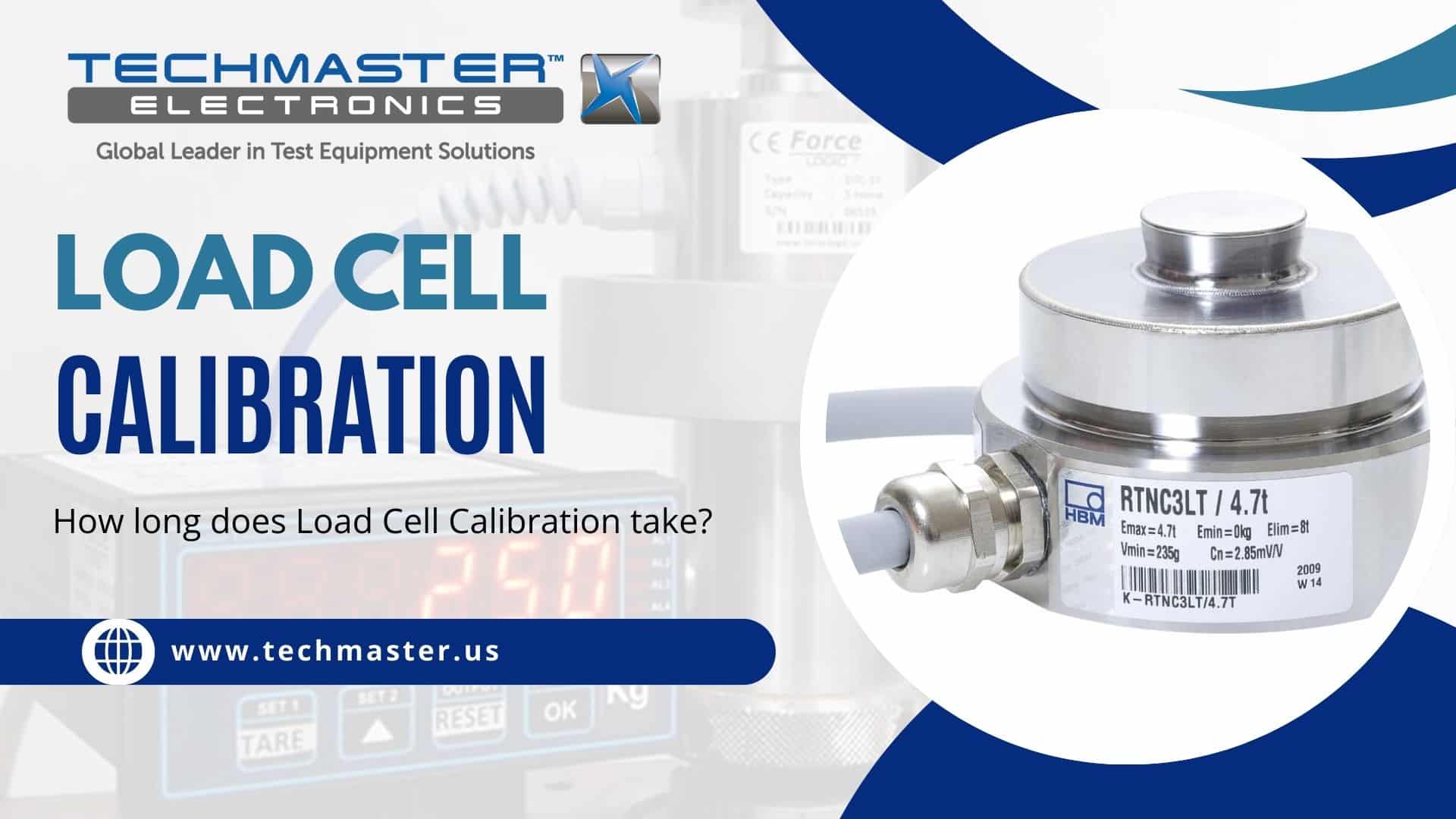
Load Cell Calibration That Meets Standards
1 Metrology guide · ISO/IEC 17025 · ANAB-accredited Load Cell Calibration Load Cell Calibration verifies...
May
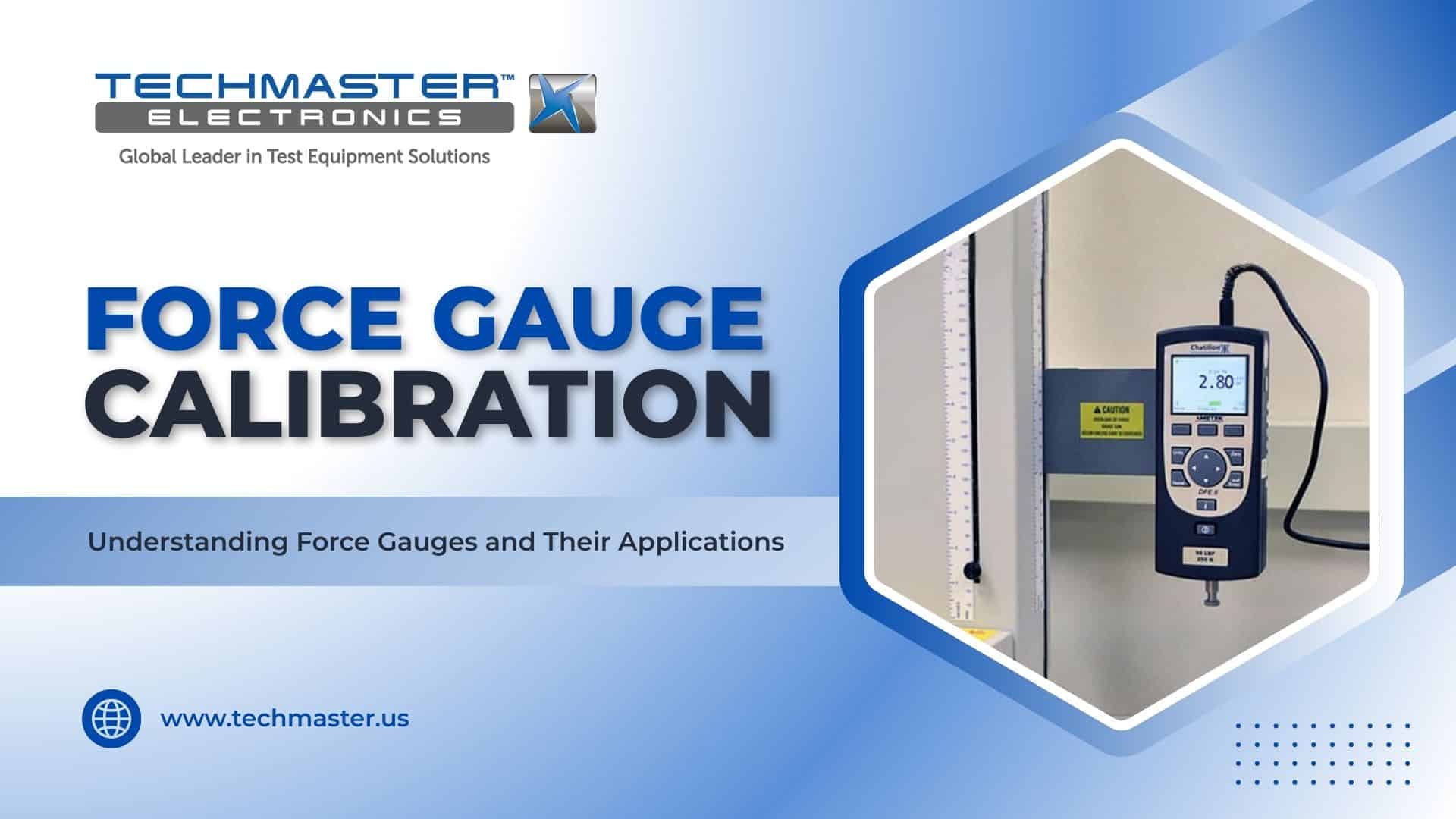
Force Gauge Calibration and Its Role in Compliance
1 Metrology guide · ISO/IEC 17025 · ANAB-accredited Force Gauge Calibration Force Gauge Calibration verifies...
May
Frequently asked questions
What is Load Cell Calibration?
How often should a Load Cell be calibrated?
What standards apply to Load Cell Calibration?
What is included on the certificate?
Can you calibrate the Load Cell on-site?
Need Load Cell calibration?
ANAB-accredited, NIST-traceable, fast turnaround, in-lab or on-site across the USA.
Contact us for a quoteReferences & industry standards
- ISO/IEC 17025 testing & calibration laboratory requirements
- NIST calibration services and measurement traceability
- NIST Mass and Force Group
- A2LA / ANAB accreditation for calibration laboratories
External standards bodies. Techmaster Electronics is an ISO/IEC 17025-accredited, NIST-traceable calibration laboratory.
Related reading: ASTM E4 vs ISO 7500-1: which force verification your tensile tester needs

Khanh Nguyen is the Marketing Manager at Techmaster Electronics, a B2B marketing leader covering the test, measurement, and ISO/IEC 17025 accredited calibration industry across the US and Vietnam markets.