
Portable Meters Calibration
Accuracy across the range
How Portable Meters calibration works
- Intake & visual inspection
- Environmental stabilization
- As-found measurement
- Comparison to NIST-traceable standards
- Adjustment if required
- As-left results & certificate
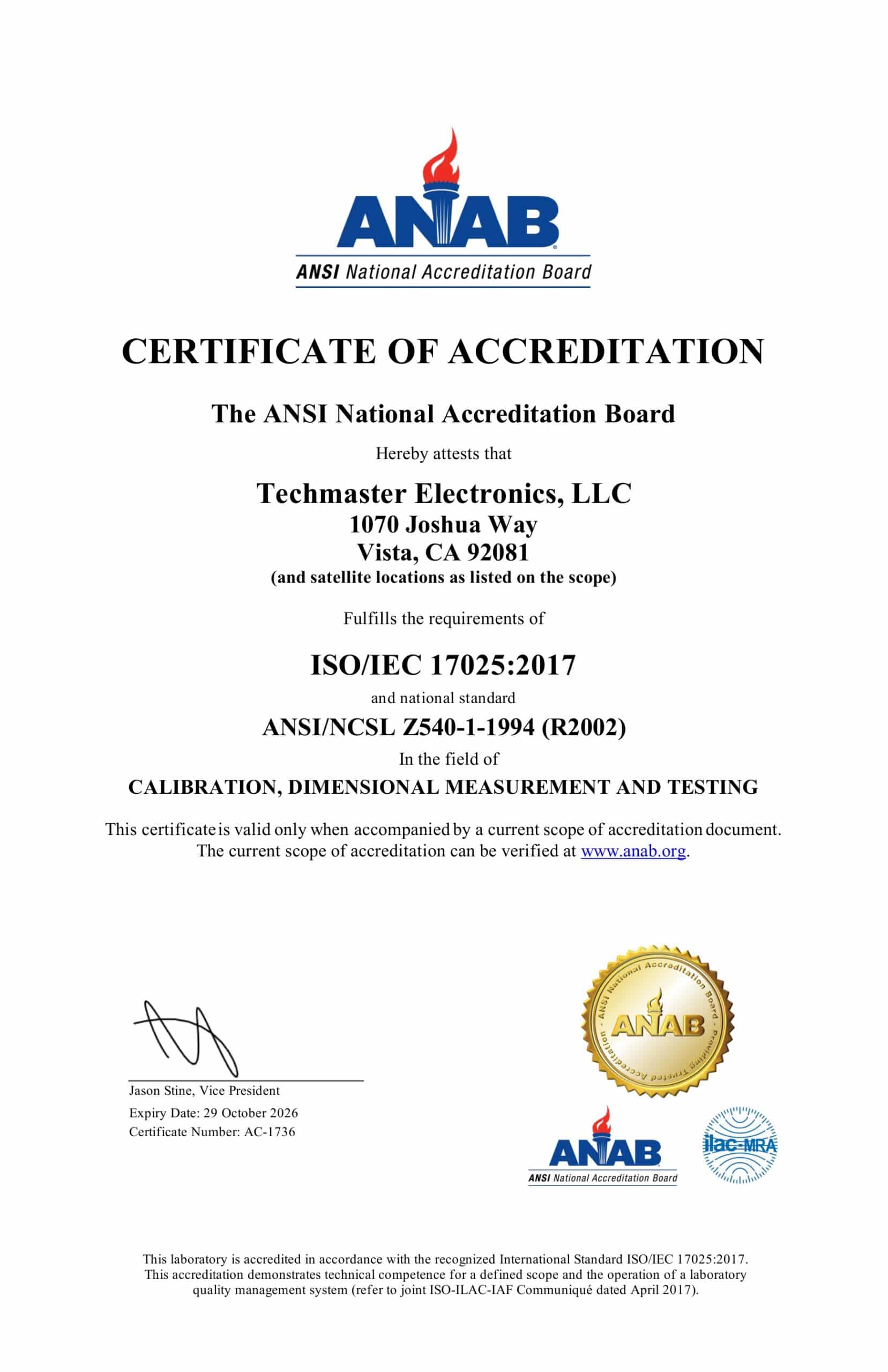
Your calibration, covered
In-lab vs on-site calibration
In-lab calibration
- Accredited bench with full reference standards
- Best achievable measurement uncertainties
- Pickup & return logistics handled
- Ideal for precision and reference work
On-site calibration
- We calibrate the Portable Meters at your facility
- No shipping risk or transit downtime
- As-found data captured before any move
- Ideal for fixed, large or sensitive assets
In-depth guide
Portable Meters: The Data Revolution in Environmental Monitoring and Smart Agriculture
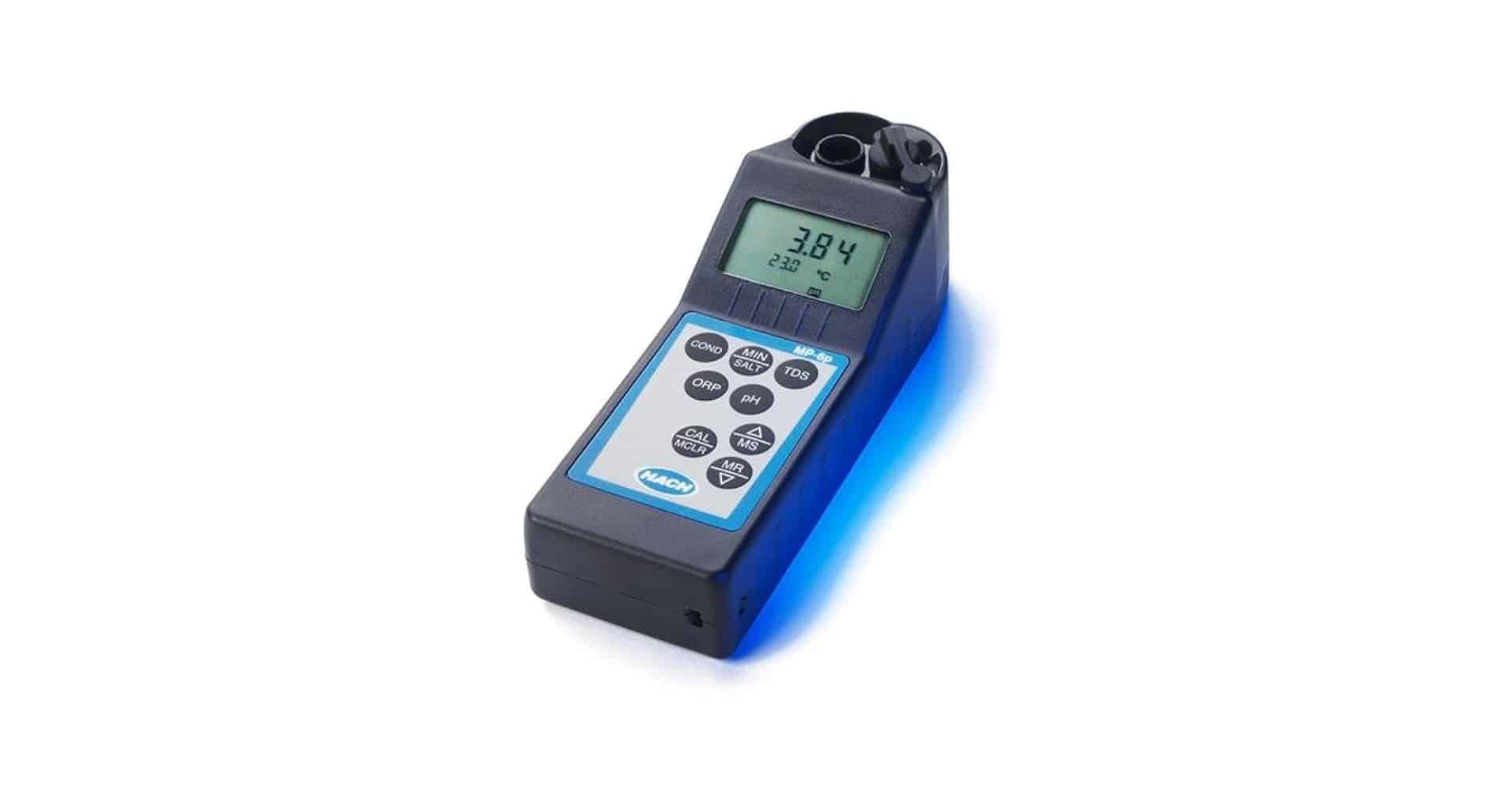
In the era of technology, data has become the “new gold.” This holds true not only in business but also in traditional fields like agriculture and environmental protection. To make informed and effective decisions, professionals and farmers need to collect precise data right in the field, without waiting for results from a lab. This is where Portable Meters have emerged as an indispensable tool. Portable meters are compact, mobile devices that provide quick and accurate on-site measurements. This article will delve into the groundbreaking applications of portable meters in Smart Environmental Monitoring and Smart Agriculture. It will also clarify the vital importance of Portable Meter Calibration to ensure the accuracy of every decision made.1. What Is a Portable Meter and Why Are They Essential?
- High Mobility: You can carry them anywhere, from fields and aquaculture ponds to rivers, helping to collect data in hard-to-reach areas.
- Speed: They provide measurement results instantly, allowing users to react in real-time.
- Ease of Use: They don’t require extensive technical knowledge, making them suitable for both farmers and field specialists.
Practical Applications
🌍 Environmental Monitoring
Accurate data is the foundation for protecting ecosystems and public health. Portable meters are used to:
- Water quality testing: Measure pH, DO (dissolved oxygen), and turbidity in rivers and lakes.
- Air quality monitoring: Measure concentrations of PM2.5, CO₂, and VOCs in urban areas.
- Soil analysis: Determine soil moisture, pH, and nutrient content.
🌱 Smart Agriculture
Optimize production and efficiently use resources based on precise measurements from sensors:
- Precision irrigation: Soil moisture sensors accurately determine when and how much to water.
- Efficient fertilization: Measuring N, P, and K in the soil to apply the right amount of fertilizer, avoiding waste.
- Microclimate management: Monitor temperature and humidity in greenhouses to create an optimal environment for crops.
2. Groundbreaking Applications of Portable Meters in Environmental Monitoring
Protecting the environment requires professionals to constantly monitor key indicators. Portable meters make this work more efficient than ever.- Water Quality Monitoring: This is one of the most common applications. Portable meters are used to check parameters like pH, dissolved oxygen (DO), turbidity, and electrical conductivity (EC) of water in rivers, lakes, and wastewater.
- Checking pH and EC: This helps in the early detection of chemical contamination.
- Measuring Dissolved Oxygen: This is critical for assessing the health of aquatic ecosystems.
- Wastewater Monitoring: This ensures that treatment plants comply with regulations before discharging into the environment.
- Air Quality Monitoring: Portable meters can be used to measure the concentration of common pollutants like carbon monoxide (CO), sulfur dioxide (SO2), and particulate matter (PM2.5, PM10). This data is useful for environmental agencies to alert the public about air pollution and plan urban air quality management.
- Soil and Pollution Assessment: Portable meters provide a quick way to assess the pH and moisture content of soil. This is important for mapping soil contamination and evaluating the environmental impact of industrial activities.
3. Portable Meters and Smart Agriculture: Optimizing Yields
Smart agriculture uses data to maximize production and minimize waste. Portable meters are a core tool in this model.- Checking Soil Health: One of the most important factors in agriculture is soil quality. Portable meters help farmers check key indicators right in the field:
- pH: This helps farmers choose the right crops and determine the necessary amount of lime or fertilizer to adjust the pH.
- Electrical Conductivity (EC): This helps assess soil salinity, a critical factor for salt-sensitive crops.
- Soil Moisture: This helps manage irrigation water precisely, preventing waste and waterlogging.
- Efficient Water Management: With climate change, water management is more important than ever. Portable meters help check the quality of irrigation water. This ensures the water source does not contain substances harmful to crops.
- Greenhouse Environment Control: In high-tech greenhouses, portable meters help monitor parameters like temperature, humidity, and CO2 concentration. This data helps automate ventilation systems and adjust the environment to optimize plant growth while preventing pests and diseases.
4. Portable Meter Calibration: The Key to Accurate Data
What is Calibration?
Calibration is the process of comparing a device’s measurements against a known standard to verify its accuracy. Over time, sensors can “drift,” leading to unreliable measurements.
Regular calibration helps re-align the device, ensuring that the collected data is always accurate and consistent.Potential Error from Sensor Drift
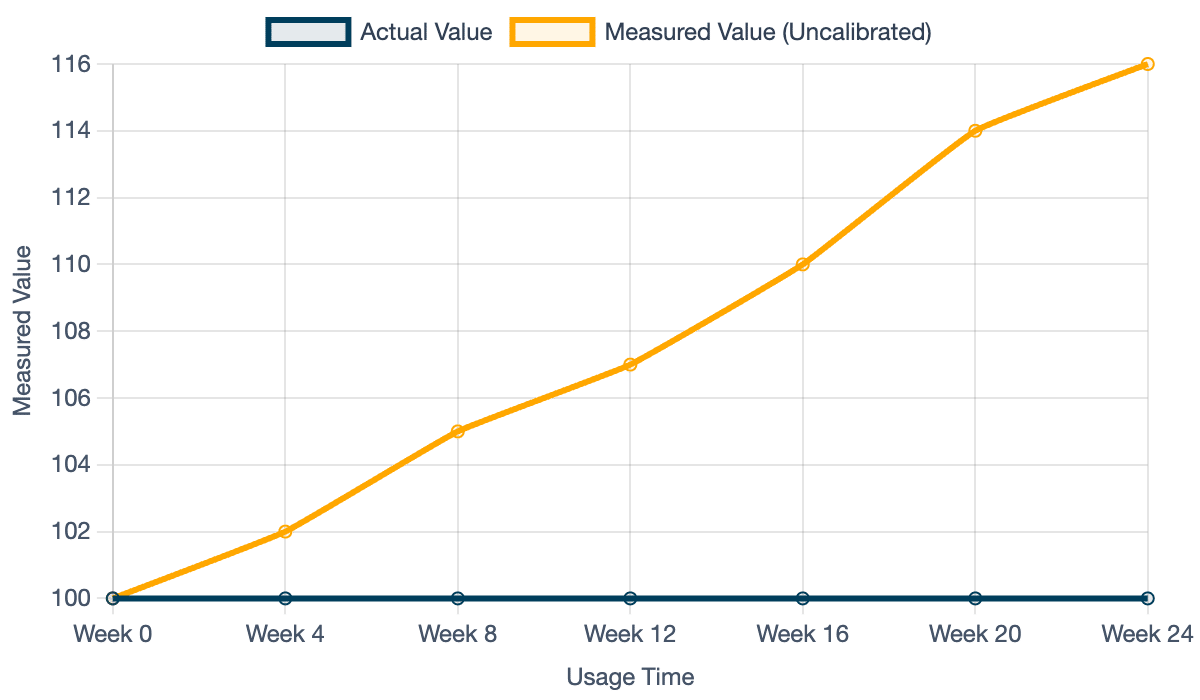
An uncalibrated device can show a measurement error of over 15% in just 6 months, leading to serious incorrect decisions.
The Problem of Sensor Drift
Over time, sensors gradually lose their accuracy. Below shows actual value (blue) vs uncalibrated drift (orange):
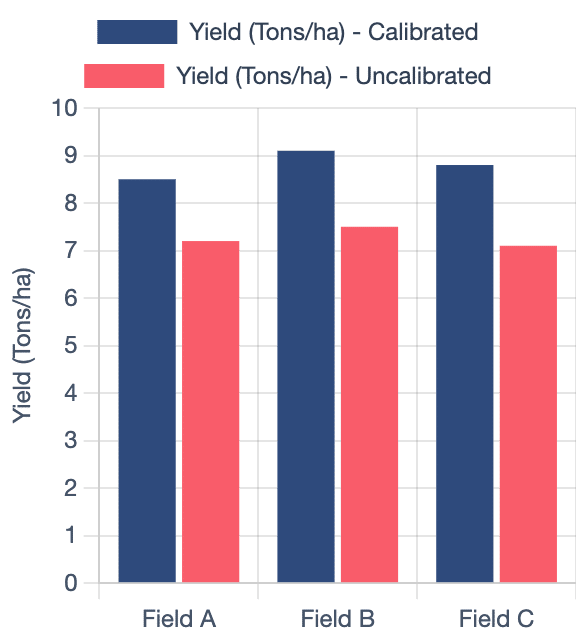
Impact on Crop Yield
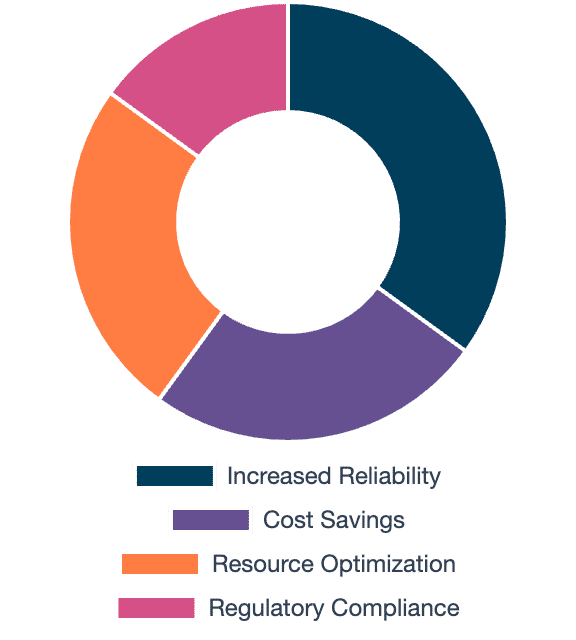
Benefits of Calibration
- Detect and Eliminate Errors: An uncalibrated meter can give false results. This could lead to a farmer applying the wrong fertilizer or an environmental specialist missing a pollution source.
- Ensure Reliability: Frequent calibration ensures that the collected data is reliable. This helps scientists and governments make policies based on real data, rather than guesswork.
- Comply with Standards: In many industries, regulations require the use of calibrated equipment to ensure the legality and safety of reports.
Conclusion
Portable Meters have revolutionized how we interact with the environment and how we produce food. From checking river water quality and urban air pollutants to monitoring soil in smart agriculture, these compact devices are helping us make big, impactful decisions quickly and precisely. However, a portable meter is only as good as its last calibration. Therefore, regular Portable Meter Calibration is an indispensable investment, not an expense. It is the decisive factor that ensures all our efforts in protecting the planet and building a sustainable agricultural system are based on truth and absolute accuracy.Frequently asked questions
What is Portable Meters Calibration?
How often should a Portable Meters be calibrated?
What standards apply to Portable Meters Calibration?
What is included on the certificate?
Can you calibrate the Portable Meters on-site?
Need Portable Meters calibration?
ANAB-accredited, NIST-traceable, fast turnaround — in-lab or on-site across the USA.
Contact us for a quoteReferences & industry standards
- ISO/IEC 17025 testing & calibration laboratory requirements
- NIST calibration services and measurement traceability
- A2LA / ANAB accreditation for calibration laboratories
External standards bodies. Techmaster Electronics is an ISO/IEC 17025-accredited, NIST-traceable calibration laboratory.

Khanh Nguyen is the Marketing Manager at Techmaster Electronics, a B2B marketing leader covering the test, measurement, and ISO/IEC 17025 accredited calibration industry in the United States.