
Hydrometer Calibration
Accuracy across the range
How Hydrometer calibration works
- Intake & visual inspection
- Environmental stabilization
- As-found measurement
- Comparison to NIST-traceable standards
- Adjustment if required
- As-left results & certificate
Your calibration, covered
In-lab vs on-site calibration
In-lab calibration
- Lab bench with full reference standards
- Best achievable measurement uncertainties
- Pickup & return logistics handled
- Ideal for precision and reference work
On-site calibration
- We calibrate the Hydrometer at your facility
- No shipping risk or transit downtime
- As-found data captured before any move
- Ideal for fixed, large or sensitive assets
In-depth guide
1. What is a hydrometer?
A hydrometer is a handy tool used to check how dense or heavy a liquid is. It looks like a long glass stick with a weighted bulb at one end and markings along the tube to measure specific gravity. This tool is incredibly useful in various industries, such as making delicious drinks, building cars, and conducting experiments. By measuring a liquid’s density, hydrometers help determine things like taste, texture, and overall performance.2. How does a hydrometer work?
A hydrometer works using the principle of buoyancy, which allows it to measure the density of liquids accurately. When placed in a liquid, it floats at a specific level based on the liquid’s density. The scale where the hydrometer meets the liquid surface shows the specific gravity.3. Different types of a hydrometers
Hydrometers come in various forms, each designed for a specific purpose across various industries. Here are the most common types:1. Standard glass hydrometer
The standard glass hydrometer features a long glass tube with a weighted bulb at the bottom. It is versatile and provides direct specific gravity readings, making it ideal for general use, such as measuring the density of chemicals, water treatment solutions, and other industrial liquids.2. Alcohol hydrometer
Designed for the brewing and distilling industries, alcohol hydrometers measure the alcohol content in beverages. By reading the specific gravity before and after fermentation, users can calculate the alcohol by volume (ABV). The scale is typically marked in percentages, ensuring accuracy in crafting spirits and beer.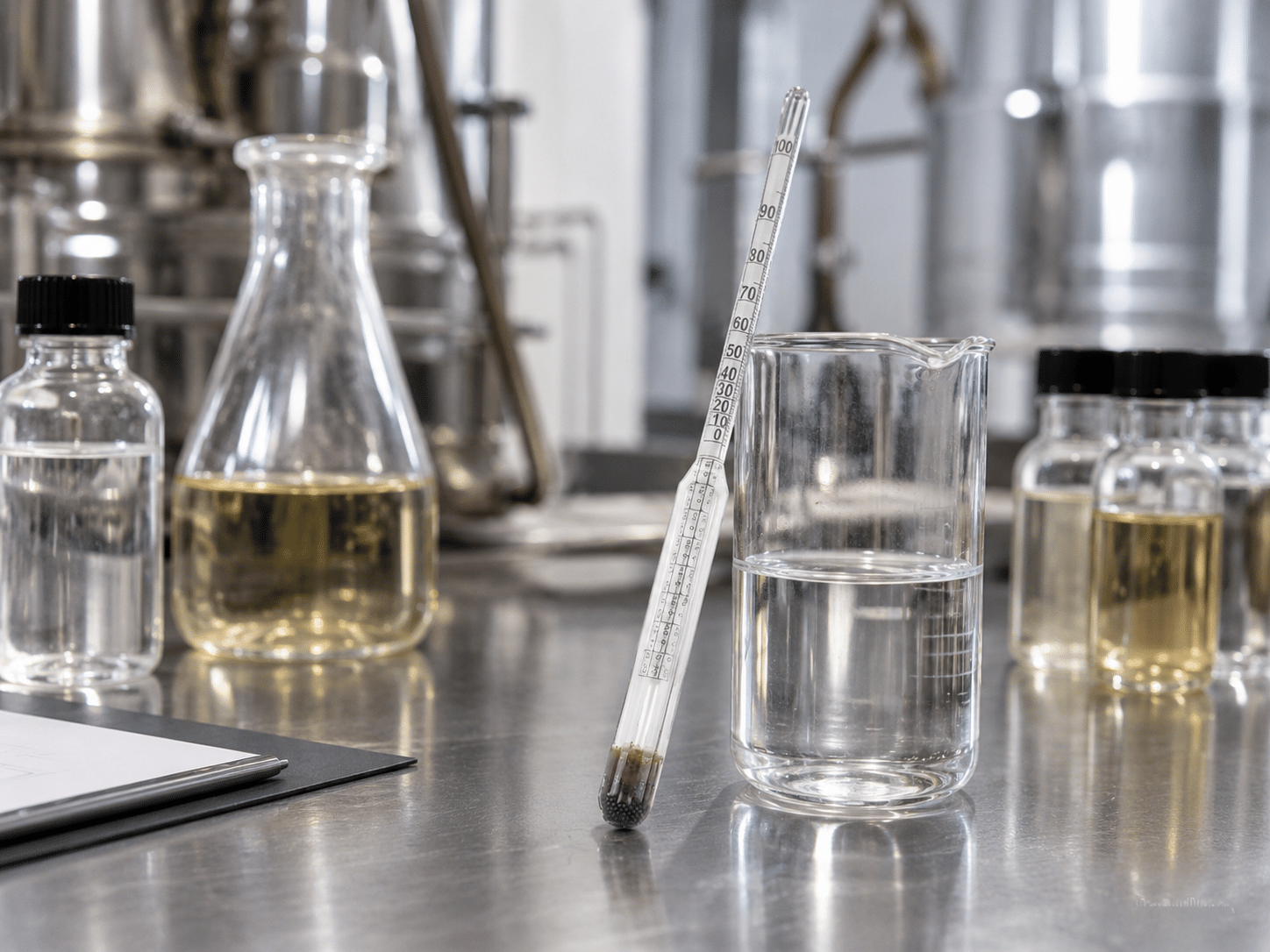
3. Battery hydrometer
A must-have for maintaining lead-acid batteries, the battery hydrometer measures the electrolyte’s density. This reading indicates the battery’s state of charge, helping prevent failures in vehicles and equipment.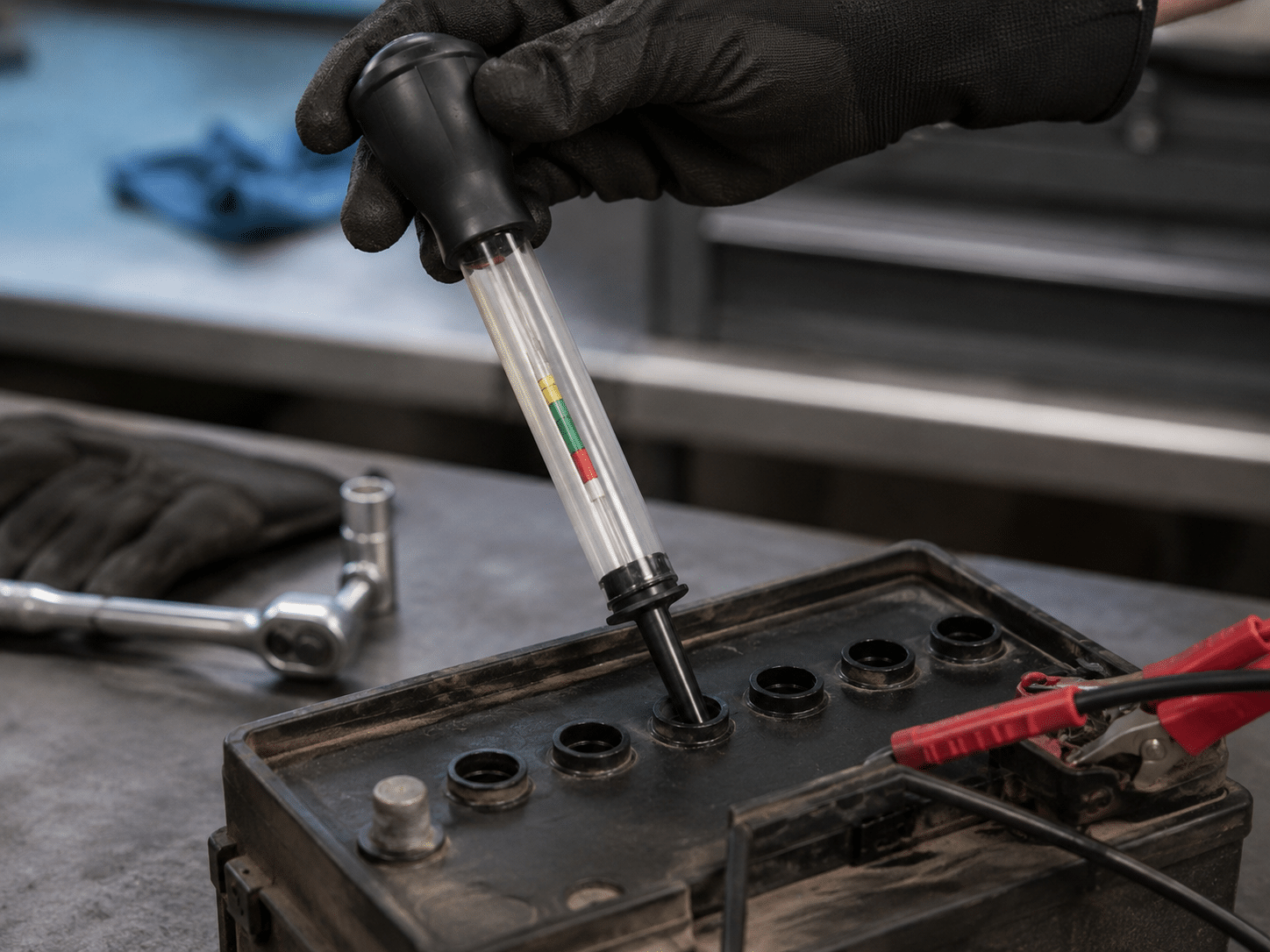
4. Saccharometer
Essential in brewing and winemaking, saccharometers measure sugar content in liquids. This helps monitor fermentation progress, calculate alcohol content, and ensure the desired flavor and consistency of beverages.5. Floating hydrometer
Widely used in the petroleum industry, floating hydrometers measure the density of fuels and light oils. Their durability makes them ideal for harsh environments, with applications extending to chemical and pharmaceutical production.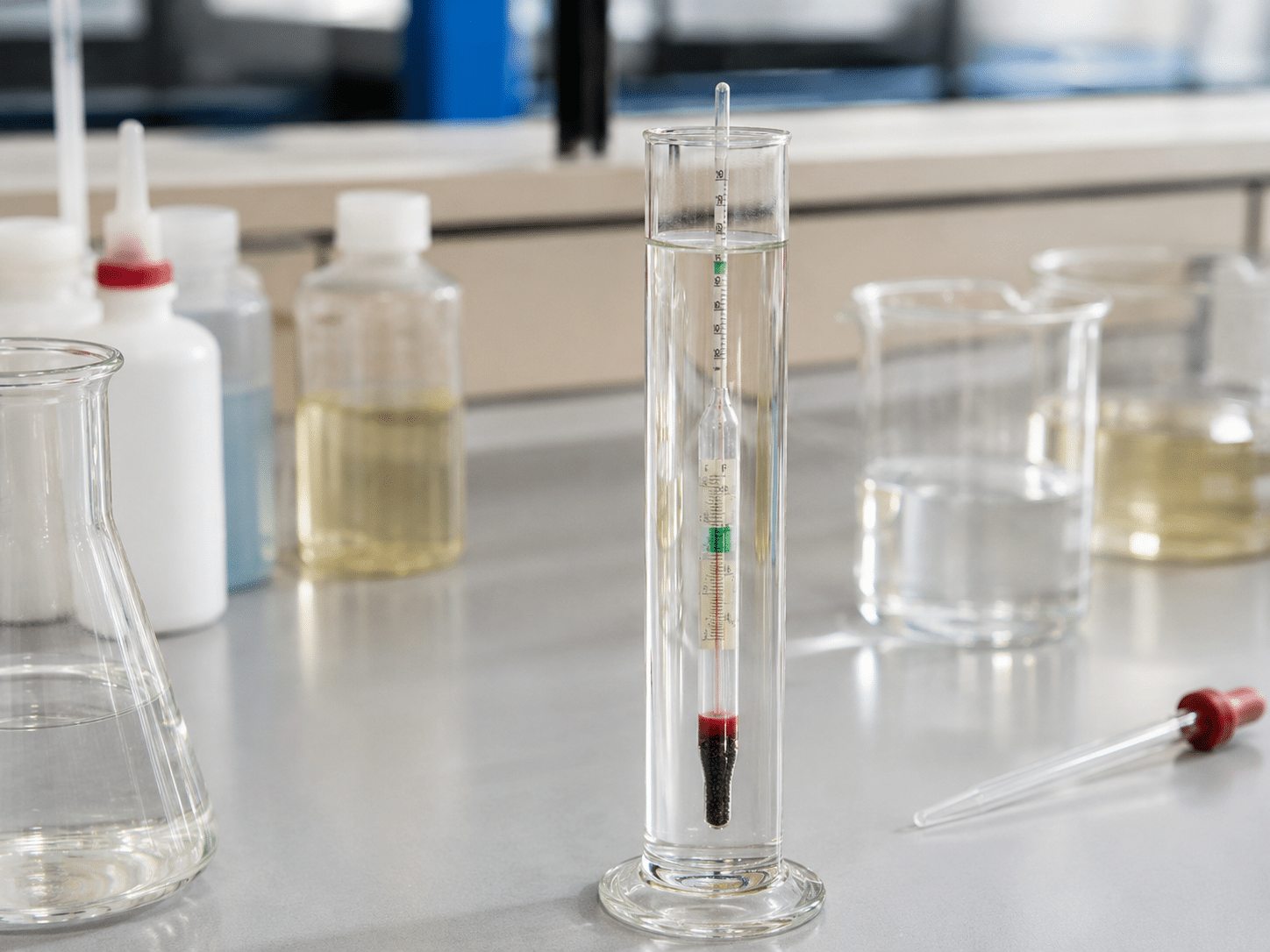
6. Urinometer
A urinometer is a specialized medical tool used to measure the specific gravity of urine. Typically made of plastic, it is lightweight and easy to handle. Urinometers are commonly found in hospitals and clinics, where they help monitor a patient’s hydration levels. Additionally, they are useful for diagnosing various medical conditions related to kidney function or overall health.7. Soil hydrometer
Soil hydrometers measure soil density and composition, which are vital for various industries. Farmers use these tools to assess soil fertility and texture, ensuring better crop production. Similarly, engineers analyze soil compaction to create stable foundations for construction projects. By providing clear insights, soil hydrometers support effective decision-making in agriculture, environmental science, and civil engineering. As a result, they play a key role in achieving success across these fields.4. Hydrometer calibration process
4.1 The Importance of hydrometer calibration
Hydrometer calibration is crucial for achieving accurate and dependable measurements in various industries. It ensures precise readings, which significantly influence product quality and operational safety. For instance, in brewing, calibrated hydrometers help determine alcohol levels and maintain product consistency. Likewise, in the petroleum sector, accurate measurements are necessary to assess fuel quality and grade. Moreover, calibration helps organizations meet regulatory standards, which is vital for maintaining trust and compliance. Without proper calibration, measurements may become inaccurate, leading to costly errors, material waste, or even safety issues. Additionally, routine calibration improves the longevity of hydrometers by ensuring they operate within optimal conditions. Besides these advantages, calibration also boosts efficiency by reducing measurement inconsistencies. This consistency not only lowers costs but also maximizes resource utilization. In conclusion, regular hydrometer calibration supports operational excellence and strengthens confidence in product quality and reliability.4.2 Equipment required for hydrometer calibration
Calibration Equipment:- Reference Hydrometer: ANTON PAAR DMA 4500M
- Thermal Bath
- Digital Thermometer
- Measuring Cylinders
- Magnifying Glass
- Distilled Water
- Ethanol
- Various Chemicals for Solution Preparation
- Glass Stirring Rods
- Hydrometers (glass/electronic) to be calibrated
4.3 Prerequisites for Calibration:
Ensure the following conditions during the calibration process:- Temperature: (20 ± 1) ºC
- Humidity: (40 to 70)% RH
4.4 The hydrometer calibration process
1 Preparation for hydrometer calibration
Select five calibration points across the scale of the hydrometer (UUT). These points should represent 10%, 30%, 50%, 70%, and 90% of the scale, avoiding the endpoints. Follow Appendix 3 of the Vietnam Measurement Procedure 293:2016. Use NaCl to prepare calibration solutions with densities ranging from 1 g/cm³ to 1.2 g/cm³. Place calibration solution containers in a thermal bath set to (20 ± 0.1) ºC. Clean the measurement sections of both the reference standard (STD) and the UUT following their user manuals. Power on electronic devices for at least 30 minutes before calibration to ensure stability.2 Visual inspection
Inspect the UUT for any damage or irregularities that could impact performance. Ensure the markings or indicators on the UUT are clear and not distorted, faded, or smudged.3 Measurement Check
Compare the density readings of the reference hydrometer (STD) and the UUT using the same calibration solution under identical temperature conditions. Determine Solution Density Using STD: Collect samples as instructed by the STD’s manual. Record the density value of the calibration solution. Repeat the measurement five times for each solution. Clean the STD’s measurement section with distilled water or a suitable solvent before moving to a new calibration point. Rinse it three times with the next solution before measuring again. Determine Solution Density Using UUT:5. Industrial applications of hydrometer
Hydrometers play a vital role in many industries, offering accurate measurements to maintain quality, safety, and efficiency in various processes.
Air Buoyancy Correction in Mass Calibration: Altitude, Density and Real Error Budgets
Air buoyancy correction explained with the NIST SOP 2 formula: how altitude and artifact density...
Aug

ASTM E4 vs ISO 7500-1: Which Force Verification Does Your Tensile Tester Need?
ASTM E4-24 or ISO 7500-1:2018? The test method you run decides which force verification your...
Aug

USP <41> Minimum Weight: How to Calculate It on an Analytical Balance
USP minimum weight is calculated, not specified: 2s divided by 0.001 from a 10-weighing repeatability...
Aug

Deadweight Tester vs. Digital Pressure Calibrator: Which Does Your Lab Need?
Deadweight tester or digital pressure calibrator? How each works, the gravity/buoyancy/temperature corrections, typical accuracy, pressure...
Jul
Differential Manometer Calibration: Solve Drift Pain
Home » Hydrometer CalibrationIndustrial environments rely on absolute precision to maintain safety, ensure product quality,...
Jun
Pressure Manometer Calibration in Industrial Systems
Home » Hydrometer Calibration Metrology guide · ISO/IEC 17025 · ANAB-accredited Pressure Manometer Calibration Pressure...
Jun
Techwrench Calibration: The Technical & Compliance Guide
Home » Hydrometer Calibration Metrology guide · ISO/IEC 17025 · ANAB-accredited Techwrench Calibration Techwrench Calibration...
Jun
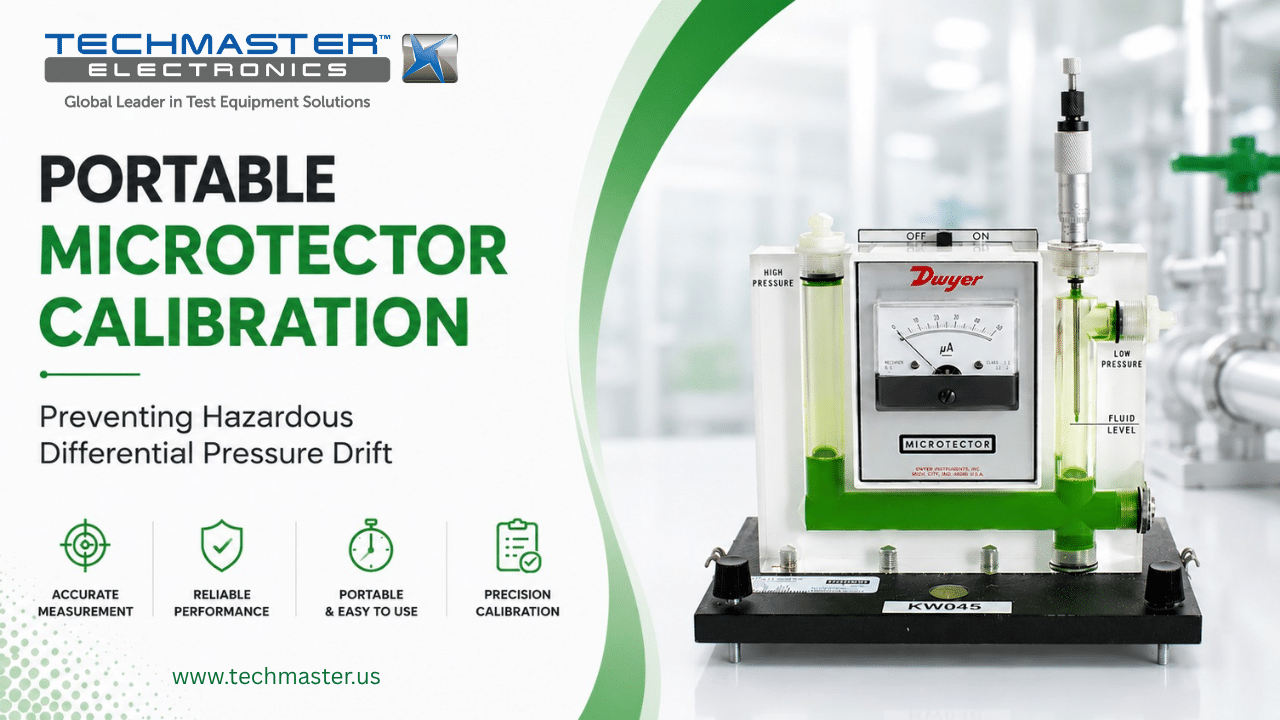
Portable Microtector Calibration: Preventing Pressure Drift
Home » Hydrometer Calibration Metrology guide · ISO/IEC 17025 · ANAB-accredited Portable Microtector Calibration Portable...
Jun
Frequently asked questions
What is Hydrometer Calibration?
How often should a Hydrometer be calibrated?
What standards apply to Hydrometer Calibration?
What is included on the certificate?
Can you calibrate the Hydrometer on-site?
Need Hydrometer calibration?
NIST-traceable calibration, fast turnaround — in-lab or on-site across the USA.
Contact us for a quoteReferences & industry standards
- ISO/IEC 17025 testing & calibration laboratory requirements
- NIST calibration services and measurement traceability
- A2LA / ANAB accreditation for calibration laboratories
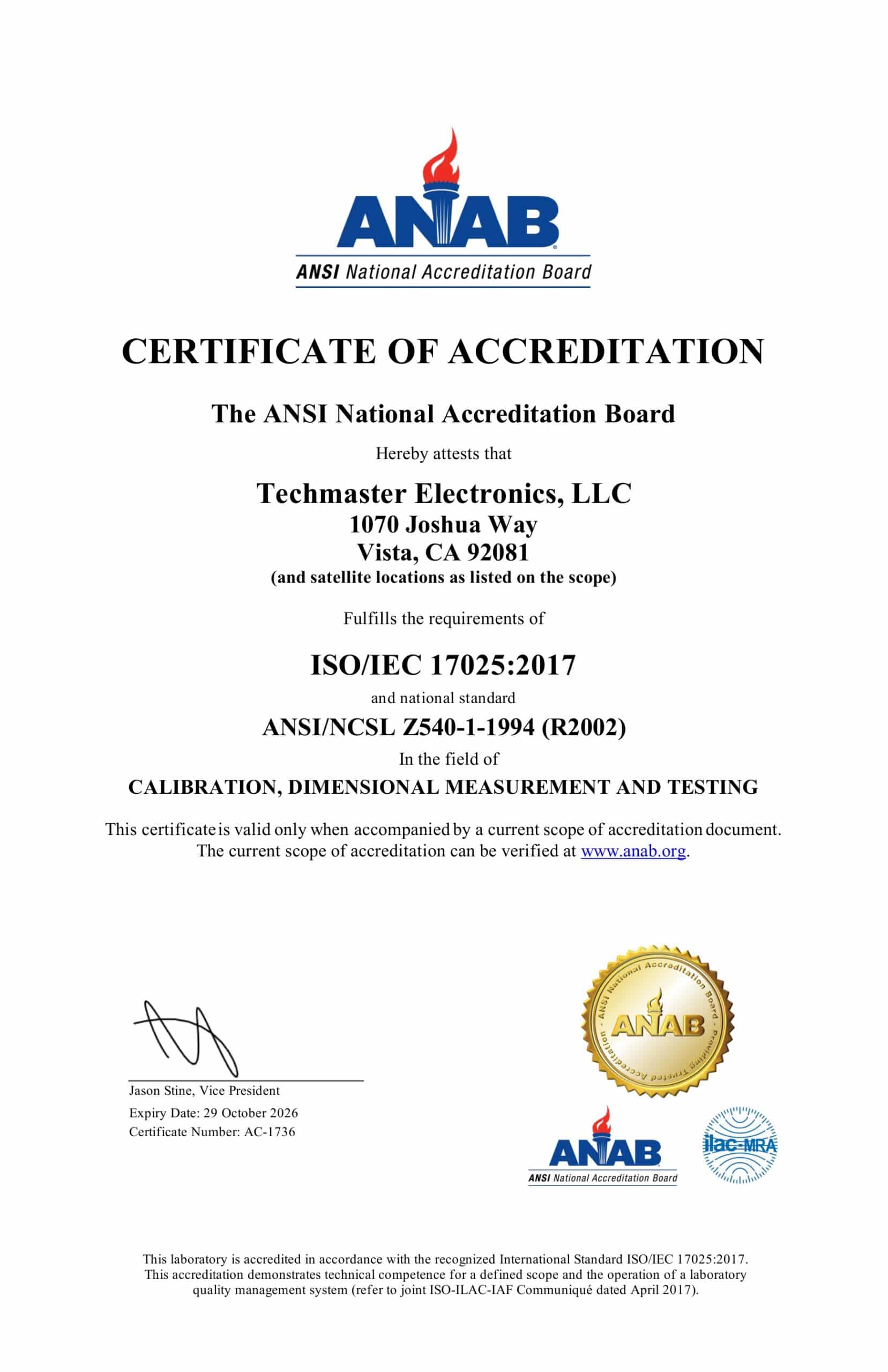
External standards bodies. Techmaster Electronics is an ISO/IEC 17025-accredited, NIST-traceable calibration laboratory.

Khanh Nguyen is the Marketing Manager at Techmaster Electronics, a B2B marketing leader covering the test, measurement, and ISO/IEC 17025 accredited calibration industry in the United States.