
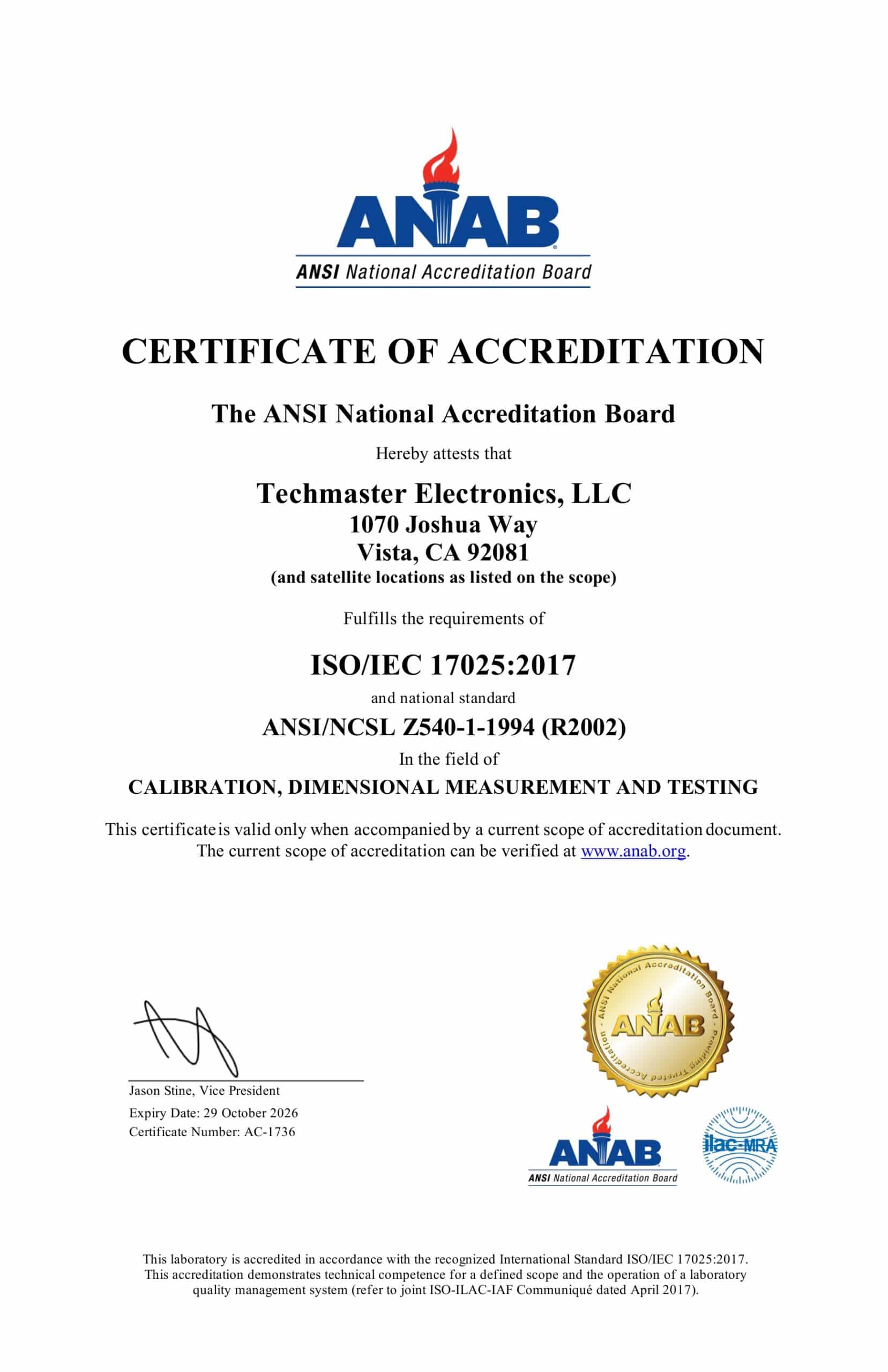
Metrology guide · ISO/IEC 17025 · ANAB-accredited
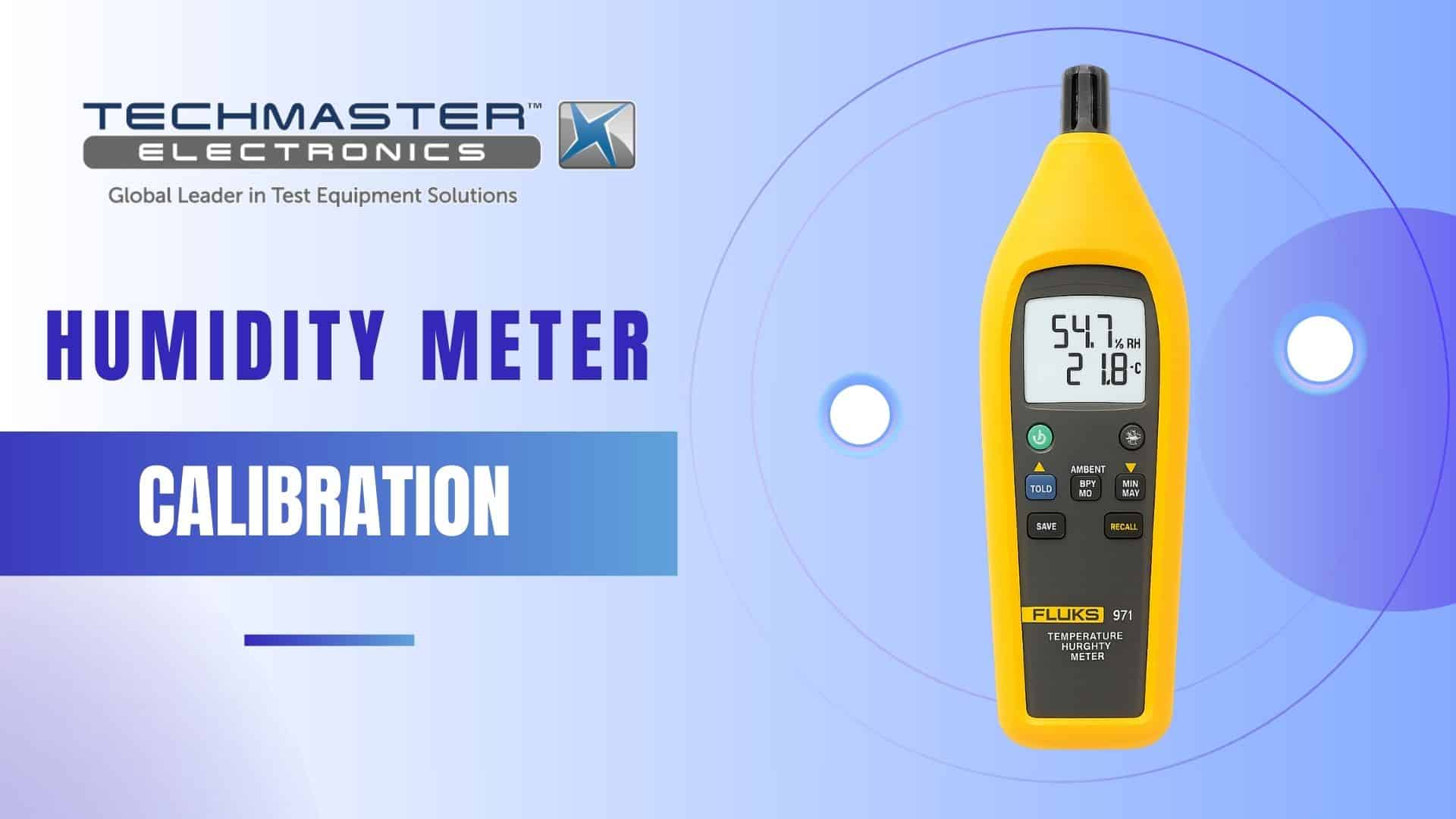
Humidity Meter Calibration
Humidity Meter Calibration verifies a Humidity Meter against NIST-traceable standards under ISO/IEC 17025. Techmaster performs a documented multi-point check, reports measurement uncertainty, and issues an ANAB-accredited certificate — in-lab or on-site across the USA.
ANAB accredited ISO/IEC 17025 NIST traceable
ISO 17025Accredited method
NISTTraceability
12 moTypical interval
ANABAccreditation
In this guide
Why calibration intervals matter
Uncorrected drift creeps toward the tolerance limit over time; scheduled calibration resets it before measurements fall out of spec.
How Humidity Meter calibration works
- Intake & visual inspection
- Environmental stabilization
- As-found measurement
- Comparison to NIST-traceable standards
- Adjustment if required
- As-left results & certificate
Your calibration, covered
In-lab calibrationAccredited bench service with pickup
On-site calibrationWe calibrate at your facility
Expedited turnaroundRush options to cut downtime
Accredited certificateANAB ISO 17025 with uncertainty
In-lab vs on-site calibration
In-lab calibration
- Accredited bench with full reference standards
- Best achievable measurement uncertainties
- Pickup & return logistics handled
- Ideal for precision and reference work
On-site calibration
- We calibrate the Humidity Meter at your facility
- No shipping risk or transit downtime
- As-found data captured before any move
- Ideal for fixed, large or sensitive assets
In-depth guide
Humidity Meter Calibration: The Key to Accurate Global Climate Research
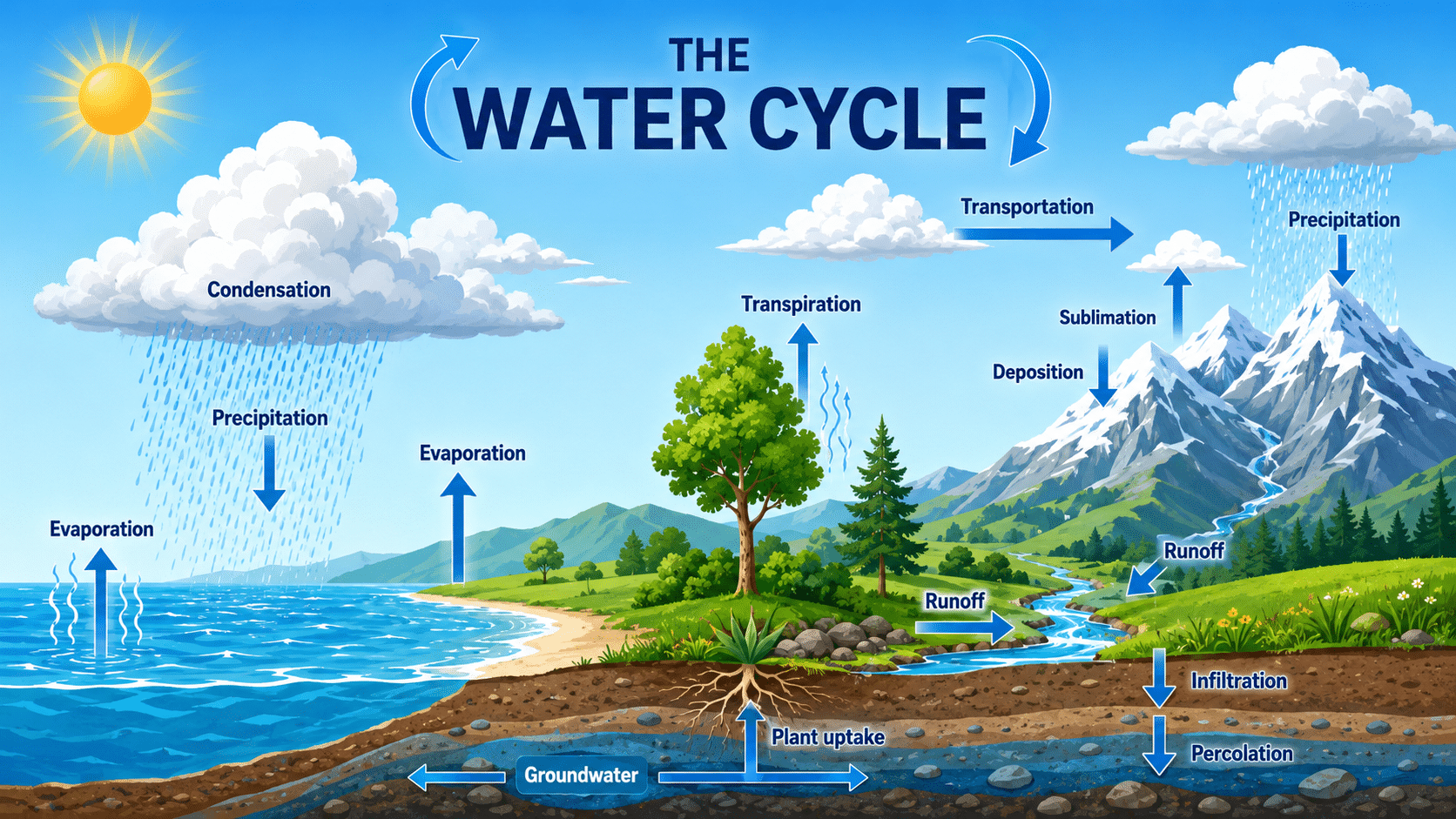
 Air humidity, or the amount of water vapor in the atmosphere, is a basic yet complex weather parameter. It plays a central role in shaping weather patterns, the global water cycle, and Earth’s climate models. To gain a deeper understanding of weather, make accurate forecasts, and conduct in-depth research on climate change, we must collect highly precise humidity data. However, even the most advanced humidity meters can have errors over time. For this reason, humidity meter calibration has become an essential practice, ensuring that all scientific data used in global climate research is reliable and sound.
This article will explain the crucial importance of humidity meter calibration, from its technical principles to its real-world applications. Ultimately, it will show how calibration shapes our understanding of the climate system.
Air humidity, or the amount of water vapor in the atmosphere, is a basic yet complex weather parameter. It plays a central role in shaping weather patterns, the global water cycle, and Earth’s climate models. To gain a deeper understanding of weather, make accurate forecasts, and conduct in-depth research on climate change, we must collect highly precise humidity data. However, even the most advanced humidity meters can have errors over time. For this reason, humidity meter calibration has become an essential practice, ensuring that all scientific data used in global climate research is reliable and sound.
This article will explain the crucial importance of humidity meter calibration, from its technical principles to its real-world applications. Ultimately, it will show how calibration shapes our understanding of the climate system.
1. Air Humidity – A Vital Link in the Global Climate System
1.1. Water Vapor – A Powerful Greenhouse Gas
While many people focus on carbon dioxide (CO2) as a main driver of the greenhouse effect, water vapor is actually the most powerful greenhouse gas. It accounts for a large portion of the atmosphere’s heat retention. Furthermore, more water vapor can create a positive feedback loop: as temperatures rise, more water evaporates. This increased water vapor then boosts the greenhouse effect, leading to even hotter temperatures. To understand and model this loop correctly, we must have extremely precise humidity data.1.2. Its Role in Climate Models and Weather Forecasting
Global Climate Models (GCMs) and Numerical Weather Prediction (NWP) models rely heavily on humidity data. After all, water vapor is the hidden energy source for storms and other weather systems. For example, a small error in a humidity measurement can lead to a big difference in a forecast’s prediction of rainfall amounts or a storm’s path. Humidity meter calibration helps scientists ensure the data they feed into these models is reliable, which in turn makes their predictions more accurate.1.3. Impact on Extreme Weather Events
Today, researchers are paying more attention to extreme weather events like floods, heatwaves, and droughts. Humidity is a key factor in how these events form. For instance, high humidity in the air causes the stifling heat that increases the risk of death during a heatwave. Consequently, accurate humidity data helps scientists predict these events and issue early warnings, allowing communities to prepare better.2. Humidity Meter Calibration: Principles and Key Challenges
Measuring and calibrating humidity is a complex technical process that demands care and professional skill.2.1. The Principle of Humidity Calibration
The basic calibration process involves comparing the device being tested to a highly accurate reference standard. To do this, we place both devices in a tightly controlled environment. Professional calibration labs use humidity calibration chambers or humidity generators to create stable humidity and temperature points. Then, technicians place both the device under test and the reference standard in the same environment. They record the results at various measurement points (e.g., 20%, 50%, 80% Relative Humidity RH) to create a deviation chart.2.2. Technical Challenges
- Temperature’s Influence: Relative Humidity (RH) depends directly on temperature. Therefore, a small error in a temperature measurement can cause a big error in the humidity measurement. For this reason, calibration equipment must control and measure both quantities with complete precision.
- Sensor Sensitivity: Humidity sensors often work by measuring how a thin layer of material changes its electrical properties as it absorbs water vapor. However, things like dust, oil, or sudden temperature shifts can easily damage the sensor or cause it to “drift” over time.
- The Complexity of Reference Standards: It is a major technical challenge to set up and maintain humidity reference standards. These standards must be calibrated by national labs to ensure they are traceable to international standards.
3. Practical Applications: How Accurate Data Shapes Research
The accuracy of a calibrated humidity meter is the most important factor in the success of many critical climate research projects.3.1. Automatic Weather Stations (AWS) and Global Observation Networks
Thousands of Automatic Weather Stations are placed around the world to collect continuous data on temperature, pressure, wind speed, and humidity. This is the basic data source for all climate research and weather forecasts. To ensure this large network’s data is consistent and reliable, we must periodically calibrate every humidity sensor at every station using a standard procedure. Without this, data from different stations would not be comparable, which would destroy the entire data model.3.2. Upper-Atmosphere Research with Weather Balloons and Satellites
Scientists use special humidity meters on weather balloons (radiosondes) to collect humidity, temperature, and pressure data at different heights. This data provides a “vertical profile” of the atmosphere, which is vital for GCMs. Similarly, humidity sensors on weather satellites also need calibration. Ground-based calibration labs play a key role in testing and standardizing these sensors before they are launched into space.3.3. Climate Change Research in Polar Regions
Earth’s polar regions are essential for regulating the global climate. Research on ice melt, cloud formation, and their structures in these areas requires highly accurate humidity data. Measuring humidity in extremely cold environments is, however, a big challenge. As a result, humidity meters must be calibrated in special ultra-low temperature chambers. This ensures they work correctly under real-world conditions and serve research on sensitive climate phenomena in those areas.3.4. Applications in Agriculture and Water Resource Management
Accurate humidity data is not just for climate scientists; it has many practical uses. For instance, in agriculture, this data helps farmers predict how much water will evaporate, which helps them plan irrigation better. In water resource management, a clear understanding of atmospheric humidity helps scientists predict rainfall, manage water resources, and deal with droughts more proactively.Conclusion
Humidity meter calibration is more than just a technical step; it is a critical part of the scientific foundation. It ensures that data on water vapor, a key element of the climate system, is accurate, reliable, and consistent. Investing in professional calibration processes and equipment is a necessary step to strengthen the data foundation for scientific research. This, in turn, helps us better understand climate change, make more accurate predictions, and build more effective strategies to deal with the future.Frequently asked questions
What is Humidity Meter Calibration?
Humidity Meter Calibration is the documented comparison of a Humidity Meter against NIST-traceable reference standards under ISO/IEC 17025, measuring its error and measurement uncertainty and confirming it performs within tolerance.
How often should a Humidity Meter be calibrated?
Most quality systems calibrate a Humidity Meter every 12 months, and sooner after repair, overload or heavy use. Follow the manufacturer specification and your ISO 9001/13485/AS9100 program.
What standards apply to Humidity Meter Calibration?
Calibration is performed under ISO/IEC 17025 with NIST-traceable references and the relevant manufacturer specification. Techmaster is ANAB-accredited.
What is included on the certificate?
An ANAB-accredited ISO/IEC 17025 certificate with as-found and as-left results and the measurement uncertainty for each point.
Can you calibrate the Humidity Meter on-site?
Yes. Techmaster offers in-lab calibration with pickup and on-site service across the USA to minimize downtime.
Need Humidity Meter calibration?
ANAB-accredited, NIST-traceable, fast turnaround — in-lab or on-site across the USA.
Contact us for a quoteReferences & industry standards
- ISO/IEC 17025 testing & calibration laboratory requirements
- NIST calibration services and measurement traceability
- A2LA / ANAB accreditation for calibration laboratories
External standards bodies. Techmaster Electronics is an ISO/IEC 17025-accredited, NIST-traceable calibration laboratory.

Khanh Nguyen is the Marketing Manager at Techmaster Electronics, a B2B marketing leader covering the test, measurement, and ISO/IEC 17025 accredited calibration industry across the US and Vietnam markets.