
Blog
Instrument Out of Tolerance? The 6-Step Response Playbook
TL;DR: When an instrument comes back out of tolerance (OOT), follow six steps: quarantine the...
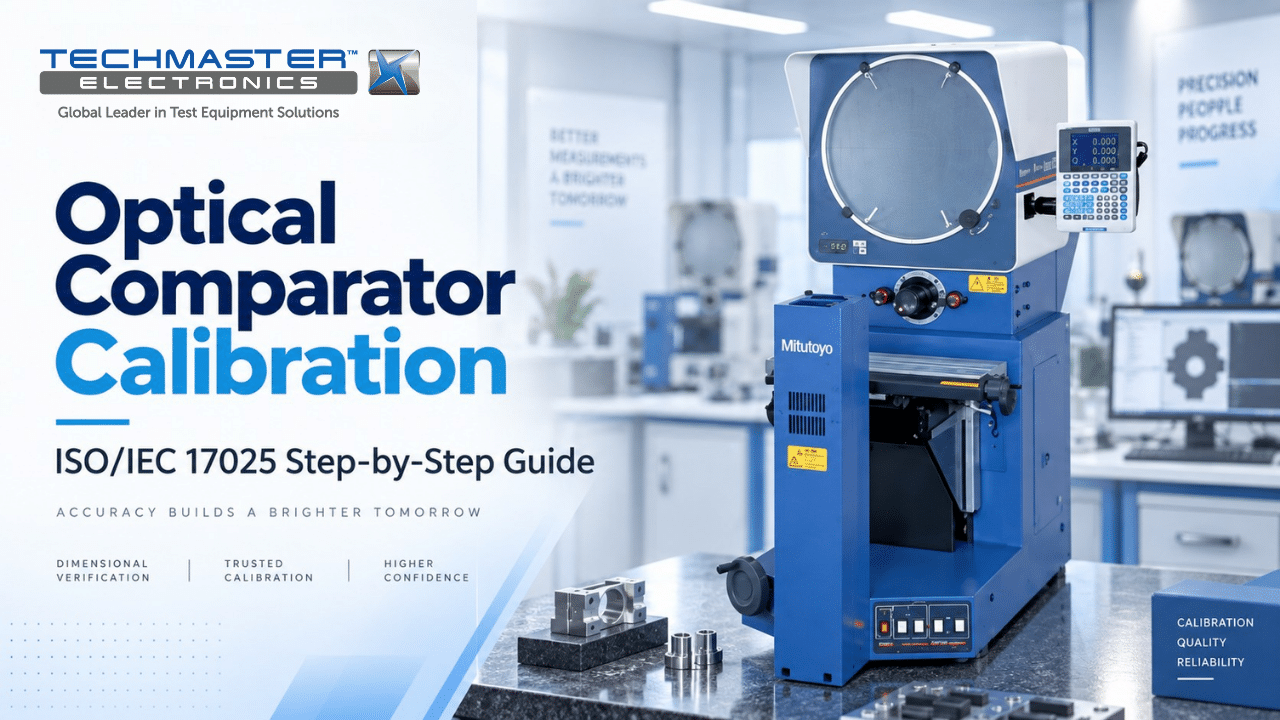
Optical Comparator Calibration: ISO/IEC 17025 Guide
Optical Comparator Calibration: ISO/IEC 17025 Step-by-Step Guide In precision manufacturing, aerospace machining, and medical device...
How to Read a Calibration Certificate: The 8 Fields That Matter
TL;DR: A calibration certificate worth filing contains eight things: the lab’s accreditation identity, a unique...
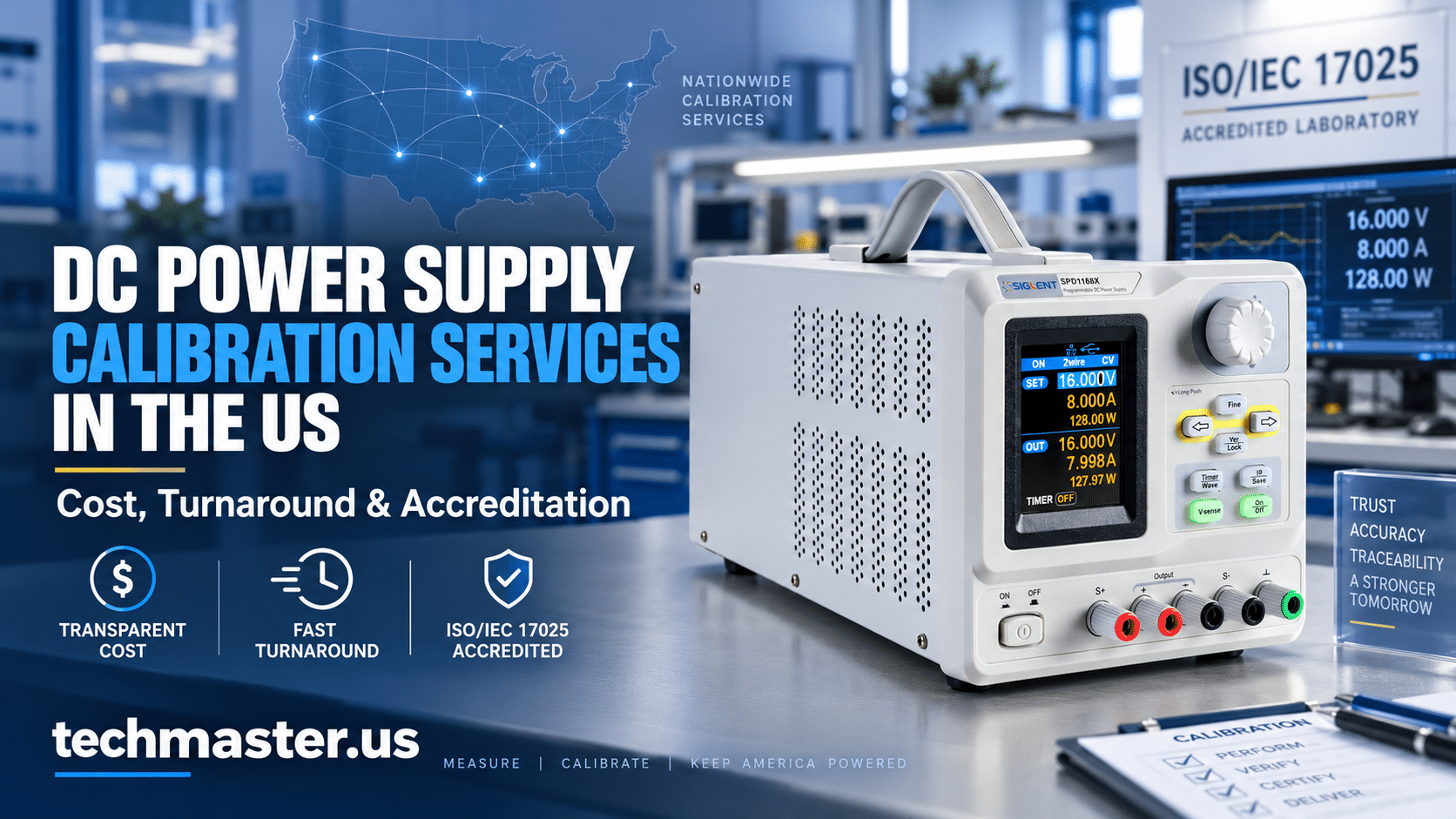
Expert DC Power Supply Calibration Services in the US
Expert DC Power Supply Calibration Services in the US Undoubtedly, precision drives modern electronics manufacturing,...
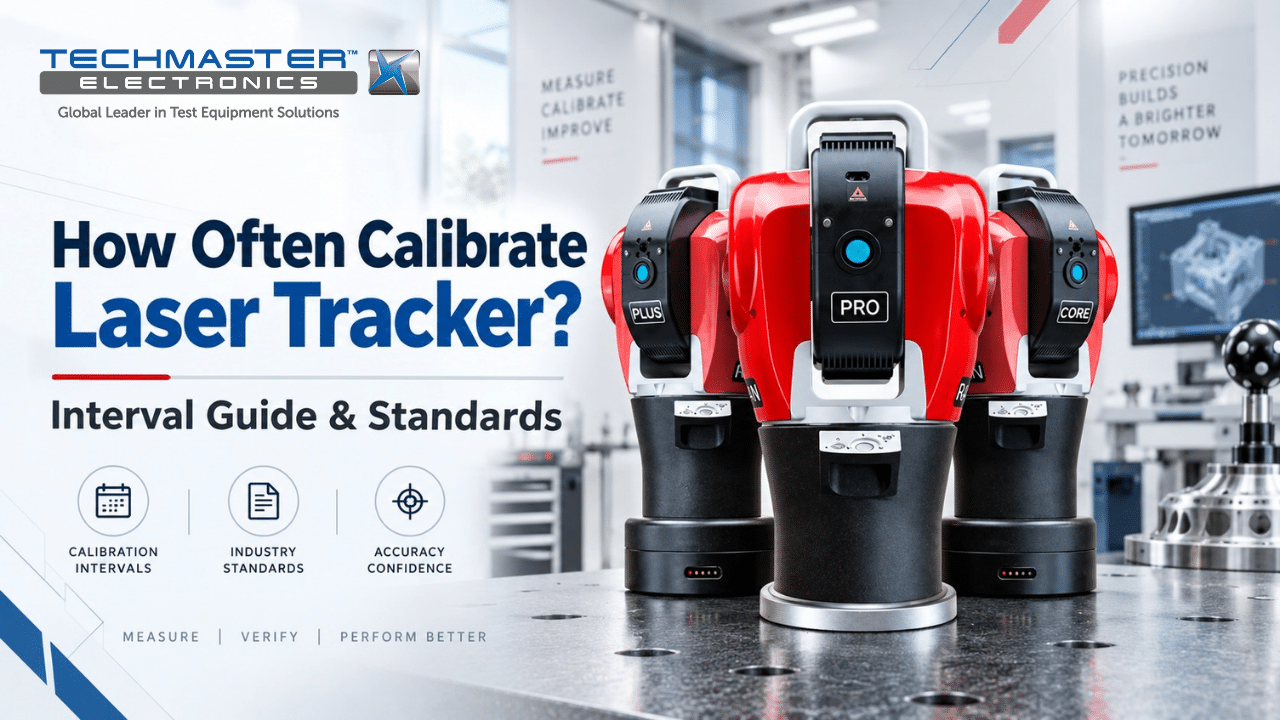
How Often Calibrate Laser Tracker? Interval Guide & Standards
Laser Tracker FAQ: Calibration Intervals, Accuracy & Compliance In aerospace manufacturing, defense, and precision tooling,...
What Is NIST-Traceable Calibration? The Traceability Chain Explained
TL;DR: NIST-traceable calibration means your instrument’s results connect to US national measurement standards through an...
VNA Calibration Kit Verification: How to Keep SOLT Standards Traceable
How to verify a VNA calibration kit: pin depth gauging, torque, verification kits, and recalibration...
How Often Should Test Equipment Be Calibrated? The Evidence-Based Interval Guide
TL;DR: Most electronic test equipment should start on a 12-month calibration interval. From there, let...
How to Set Calibration Intervals: ILAC-G24 Methods That Survive Audits
ISO/IEC 17025 sets no fixed calibration intervals — the equipment owner must justify them. Learn...
7 Benefits of ISO/IEC 17025 Accredited Calibration — and What Non-Accredited Cal Costs You
TL;DR: The benefits of accredited calibration come down to proof. An ISO/IEC 17025 accredited calibration...