
Blog
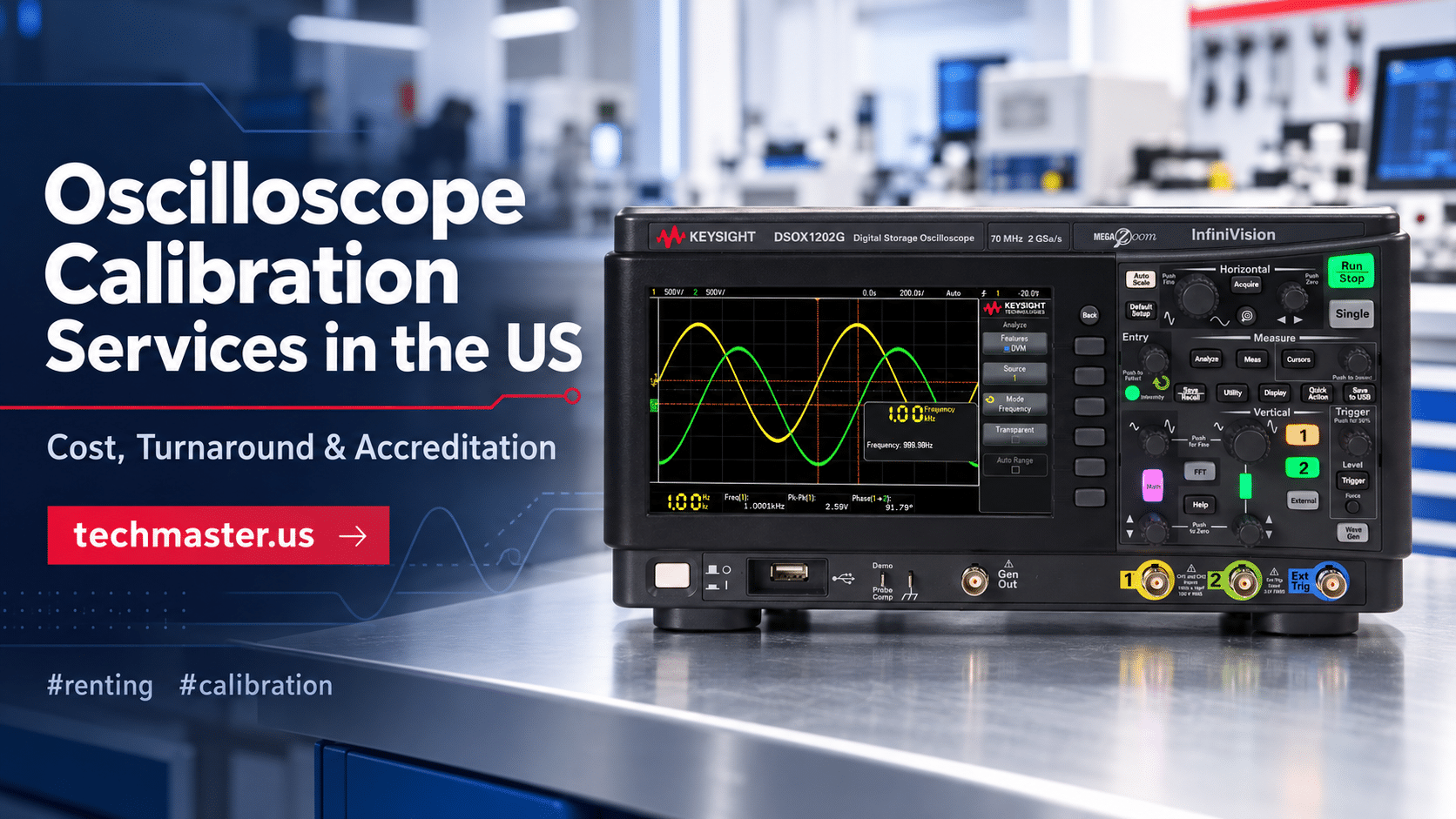
Oscilloscope Calibration Services in the US: Cost & Turnaround
Oscilloscope Calibration Services in the US: Cost, Turnaround, and Accreditation The oscilloscope is a key...
Calibration Requirements for Medical Devices: ISO 13485 and FDA 21 CFR 820.72
TL;DR: Medical device calibration answers to two nearly identical clauses, ISO 13485 clause 7.6 and...
In-House vs Outsourced Calibration: The Real Break-Even Math
TL;DR: In-house calibration pays off only at volume, typically several hundred same-discipline instruments, because the...
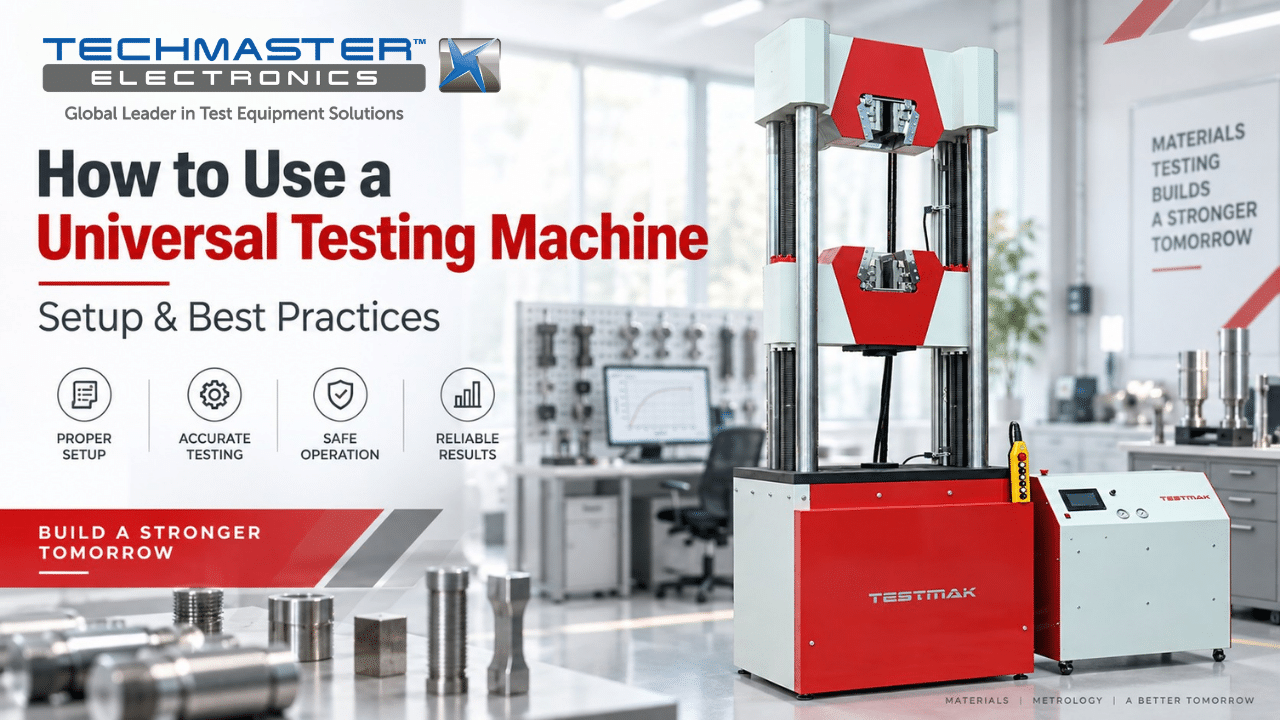
How to Use a Universal Testing Machine?
How to Use a Universal Testing Machine: Setup, Operation & Best Practices In materials testing,...
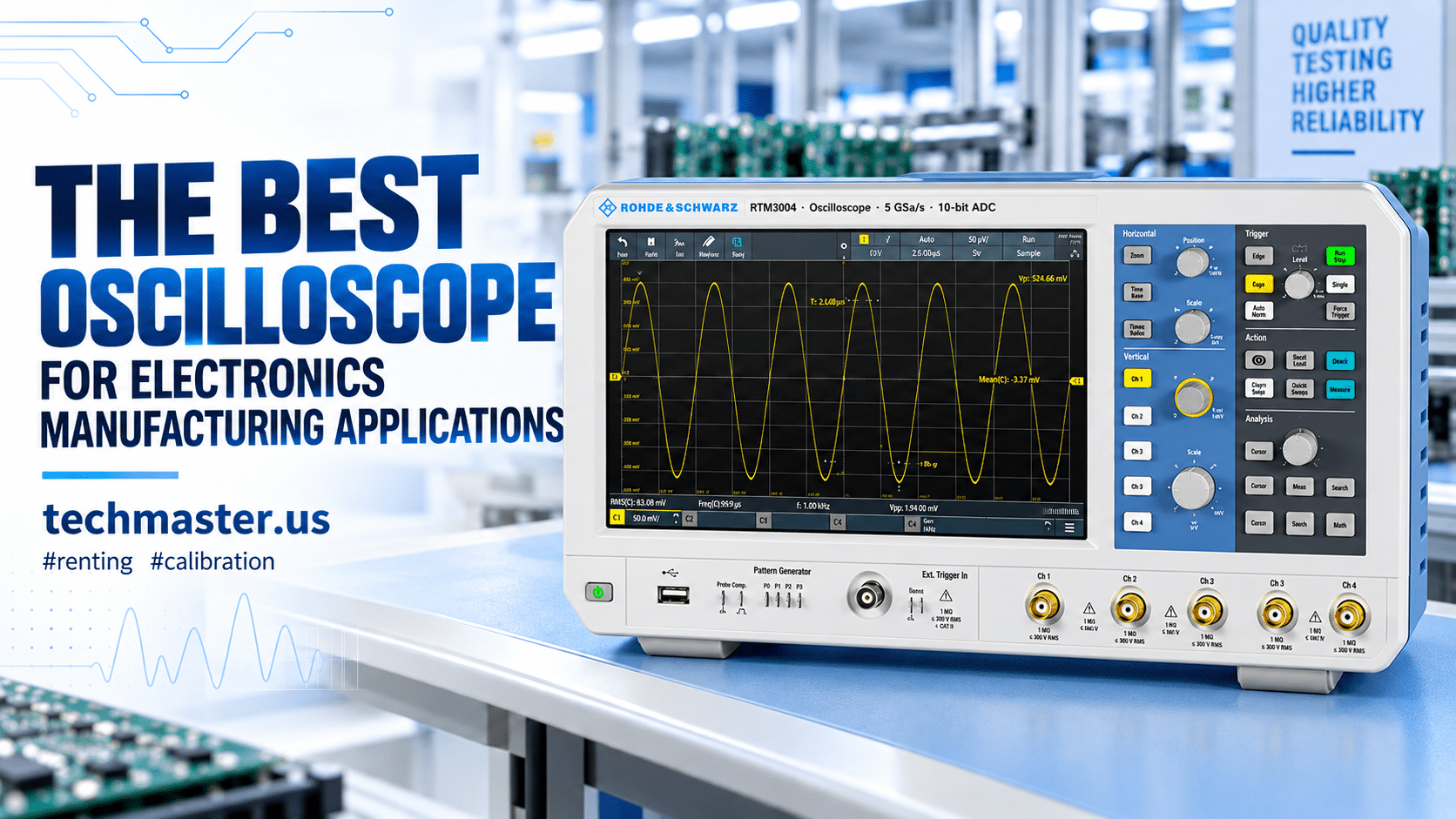
The Best Oscilloscope for Electronics Manufacturing Applications
Finding the Best Oscilloscope for Electronics Manufacturing Applications Electronics manufacturing moves fast. In this industry,...
AS9100 Calibration Requirements: What Aerospace Audits Check Beyond ISO 9001
TL;DR: AS9100 uses the same clause as ISO 9001, 7.1.5, but aerospace audits go deeper...
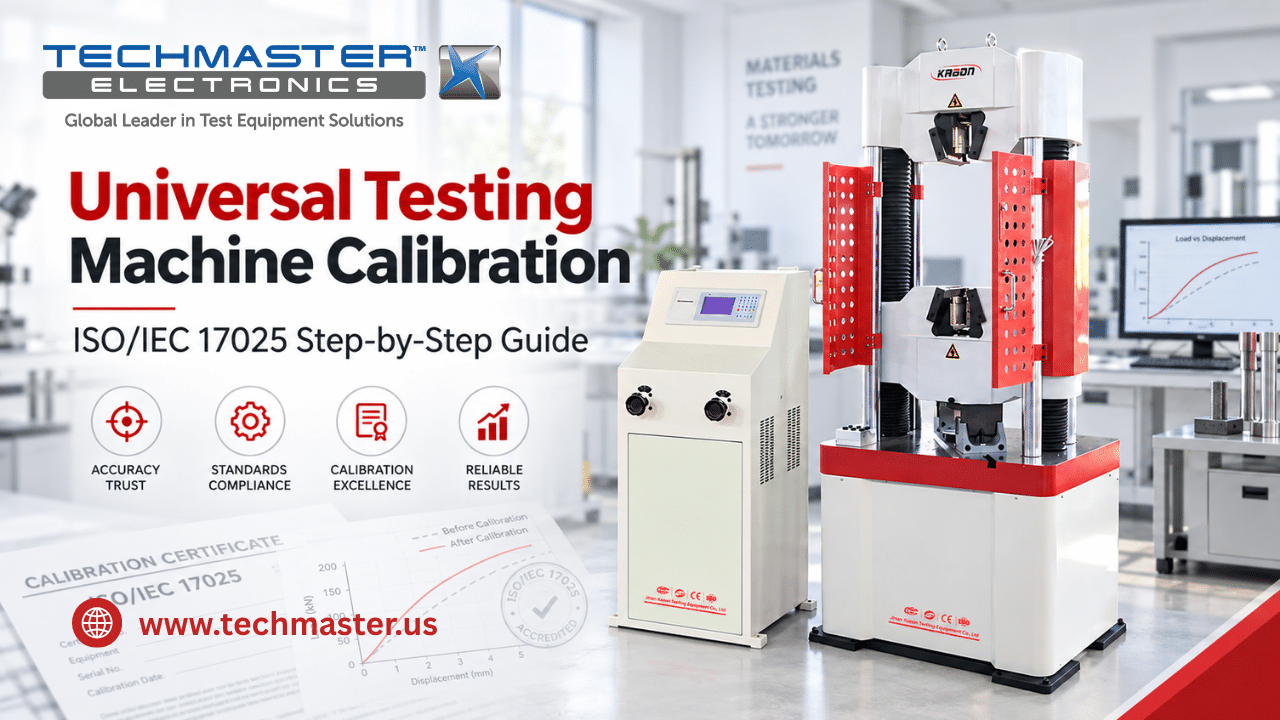
Universal Testing Machine Calibration: ISO/IEC 17025 Guide
Universal Testing Machine Calibration: ISO/IEC 17025 Step-by-Step Guide In structural engineering, aerospace manufacturing, and metallurgical...
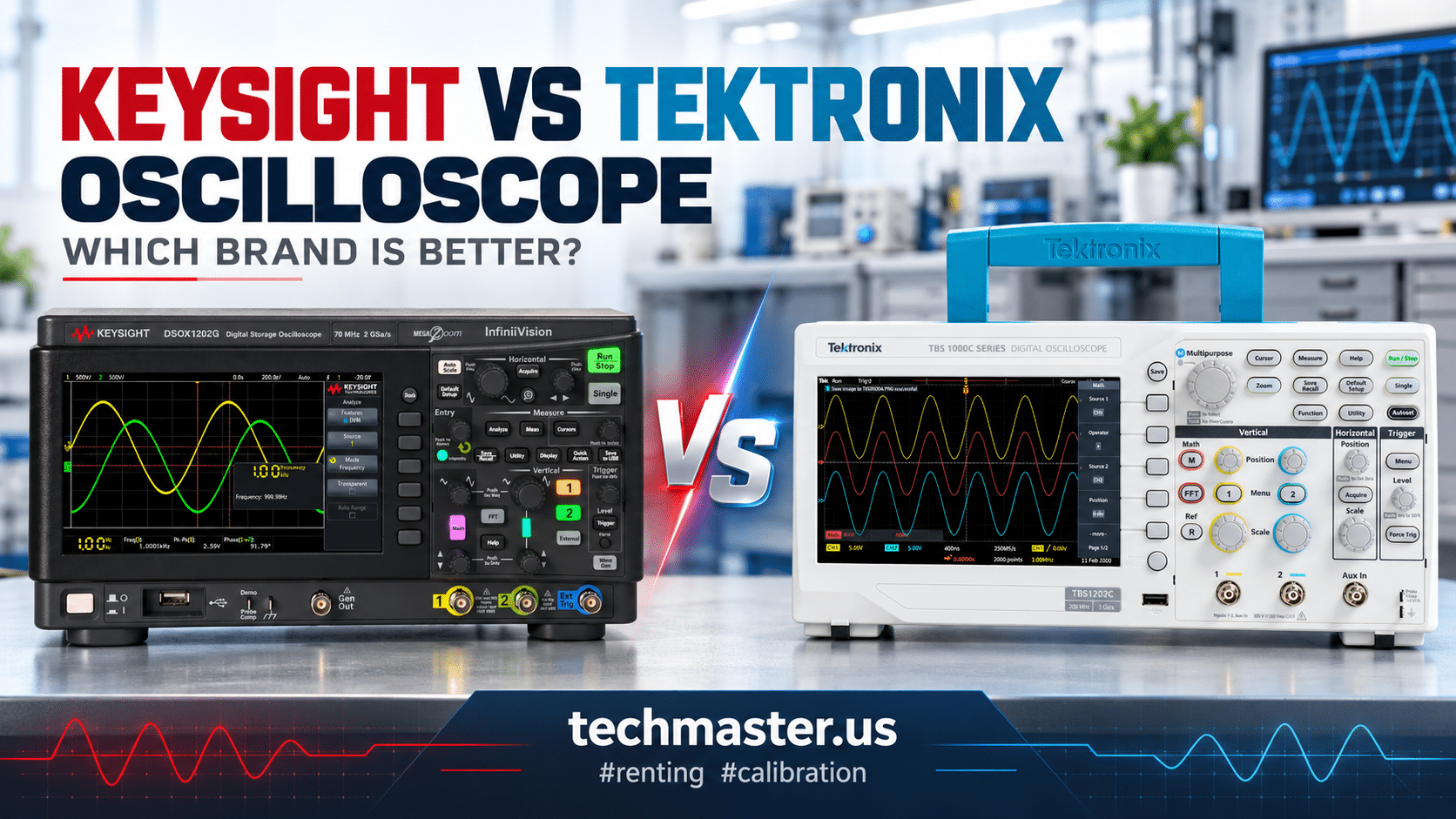
Keysight vs Tektronix Oscilloscope: Which Brand Is Better?
Keysight vs Tektronix Oscilloscope: A Complete Guide for Laboratories and Engineers Selecting the right electronic...
How to Budget for Calibration: The Fleet Cost Planning Guide
TL;DR: Budget calibration from the fleet up: count the real inventory, price by instrument class...
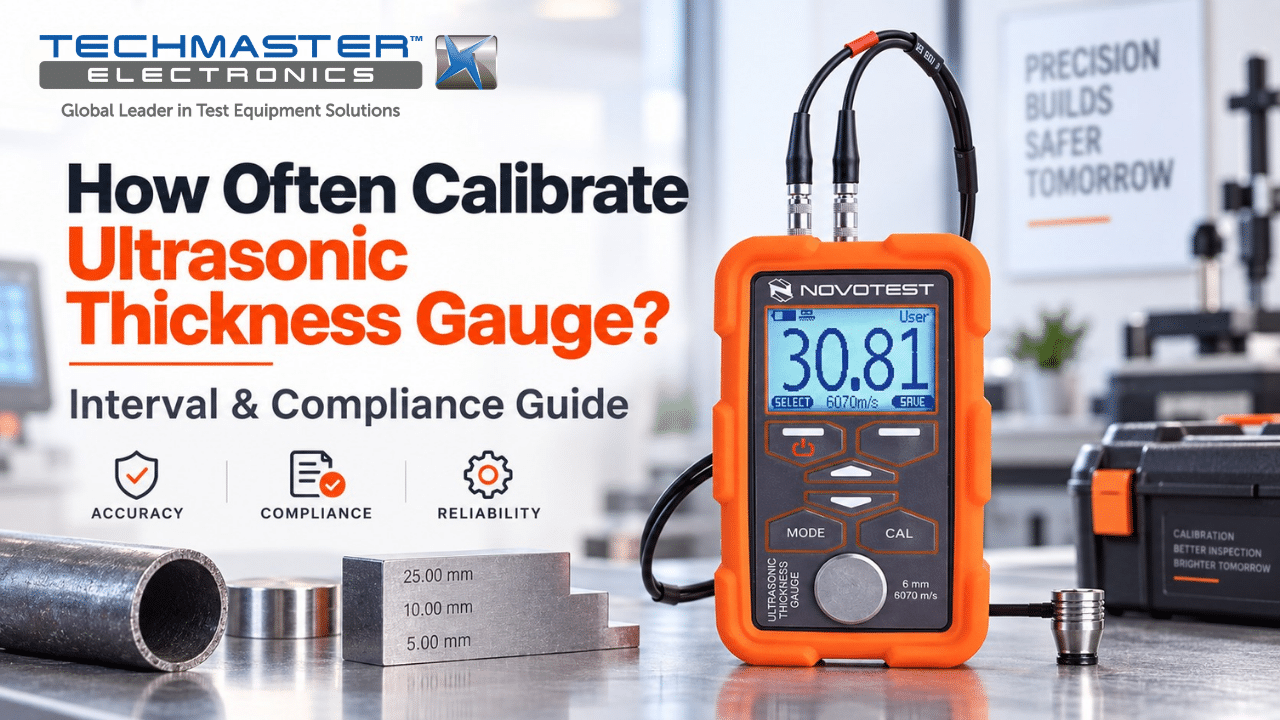
How often calibrate Ultrasonic Thickness Gauge?
Ultrasonic Thickness Gauge FAQ: Calibration Intervals, Accuracy & Compliance In non-destructive testing (NDT), asset inspection,...