
Finding the Best Oscilloscope for Electronics Manufacturing Applications
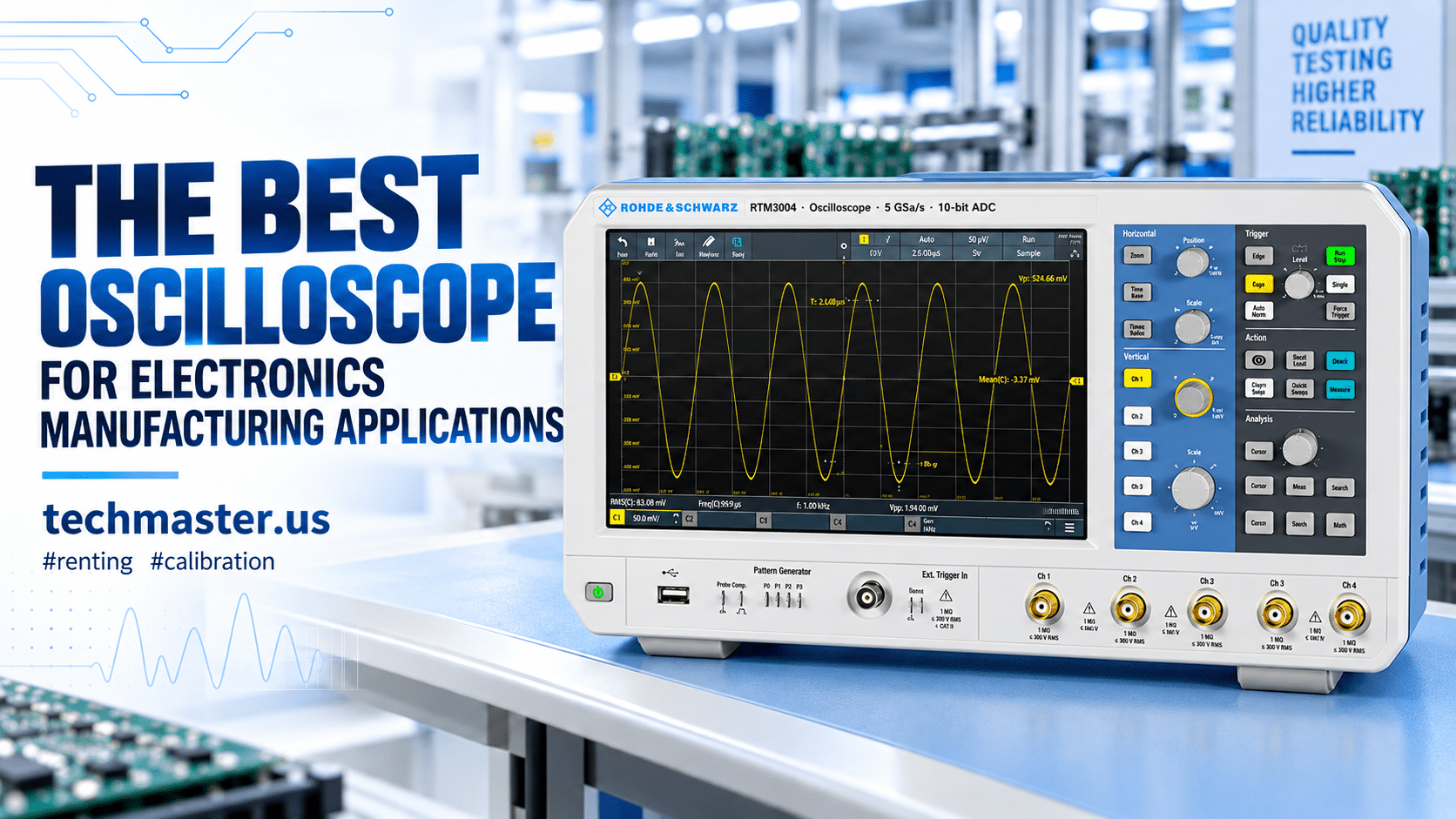
Electronics manufacturing moves fast. In this industry, precision is an absolute requirement. Diagnostic instruments act as the eyes for engineers and quality teams. Experts use these tools daily. They rely on them from early PCB design to final quality assurance. The oscilloscope stands out as the ultimate diagnostic tool. You must find the best oscilloscope for electronics manufacturing. This choice directly ensures product reliability. It helps engineers troubleshoot complex signal issues. It also verifies that every single component meets strict industry standards.
1. What Is an Oscilloscope in the Context of Electronics Manufacturing?
An oscilloscope is an advanced electronic test instrument. It graphically displays varying electrical voltages. You see these signals as a visual plot over time. The digital storage oscilloscope (DSO) and mixed-signal oscilloscope (MSO) lead the industry. These devices capture, store, and process waveforms. Engineers use them to analyze signal integrity and timing with great detail.
When you evaluate a device for manufacturing, check these core specs:
-
Bandwidth: This is the maximum frequency the oscilloscope can measure. Modern electronics often need 500 MHz to several GHz bandwidths. This captures high-speed signals without signal loss.
-
Sample Rate: This measures how fast the device digitizes the input signal. A higher rate captures rapid glitches accurately.
-
Memory Depth: This counts the data points the device stores per capture. Deep memory lets engineers view long time windows at high sample rates.
-
Channel Count: Complex boards need 4 to 8 analog channels. Engineers often pair these with 16 digital channels in an MSO. This setup lets them view many signals at once.
2. Why Finding the Best Oscilloscope for Electronics Manufacturing Matters
The need for strict measurement accuracy drives the search for the right oscilloscope. You need robust traceability and reliable operation. A minor signal error can cause a major product failure. This rule applies to high-speed digital circuits and RF communications. It also applies to automotive ECUs and medical devices.
Speed and Compliance on the Production Line
High-volume manufacturing requires fast test times. Fast oscilloscopes catch rare glitches. Slower devices might miss these errors entirely. This capability directly impacts product safety. Passing a faulty component causes field failures. These field failures lead to costly recalls and ruined reputations.
The right equipment also ensures compliance with quality standards. Quality managers use precise data to validate processes. They confirm that environmental effects do not skew electrical performance. They ensure every product performs exactly as engineered.
3. Top Oscilloscope Recommendations for Electronics Manufacturing
Top Recommendations for Electronics Production
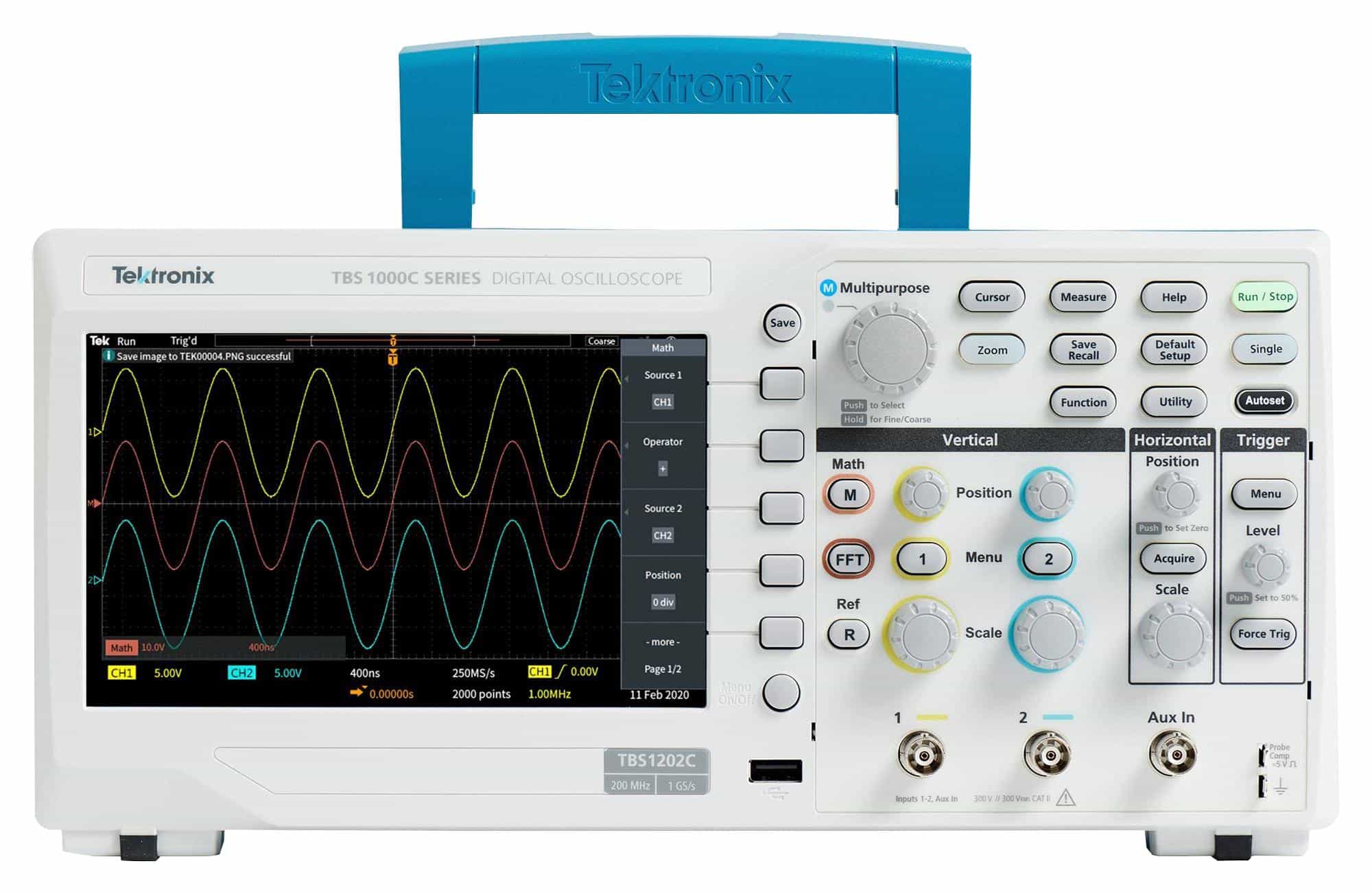
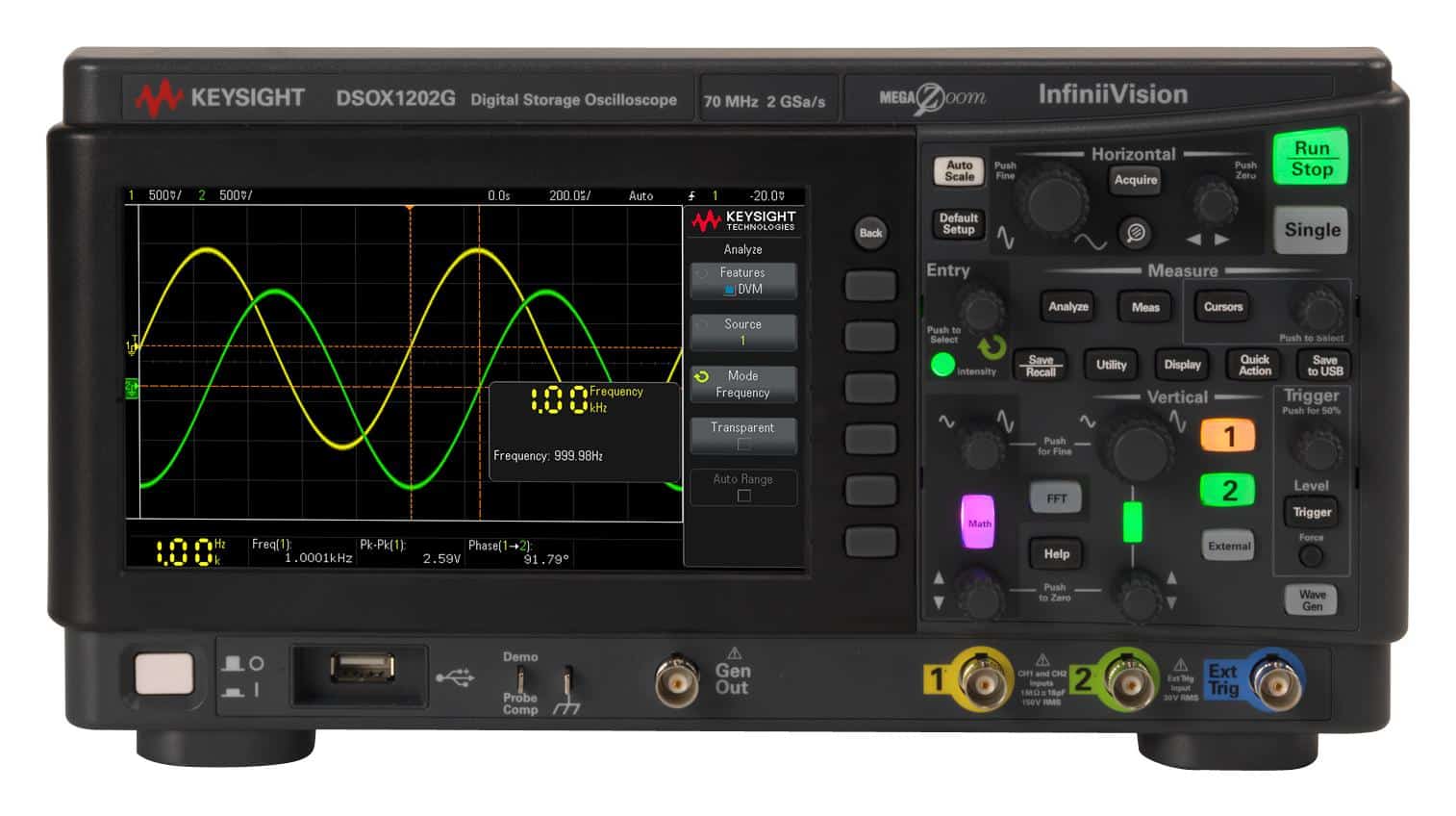
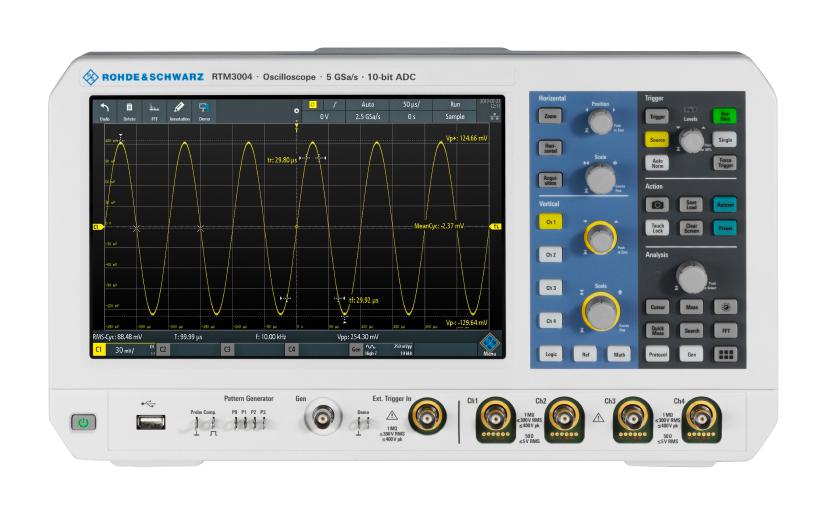
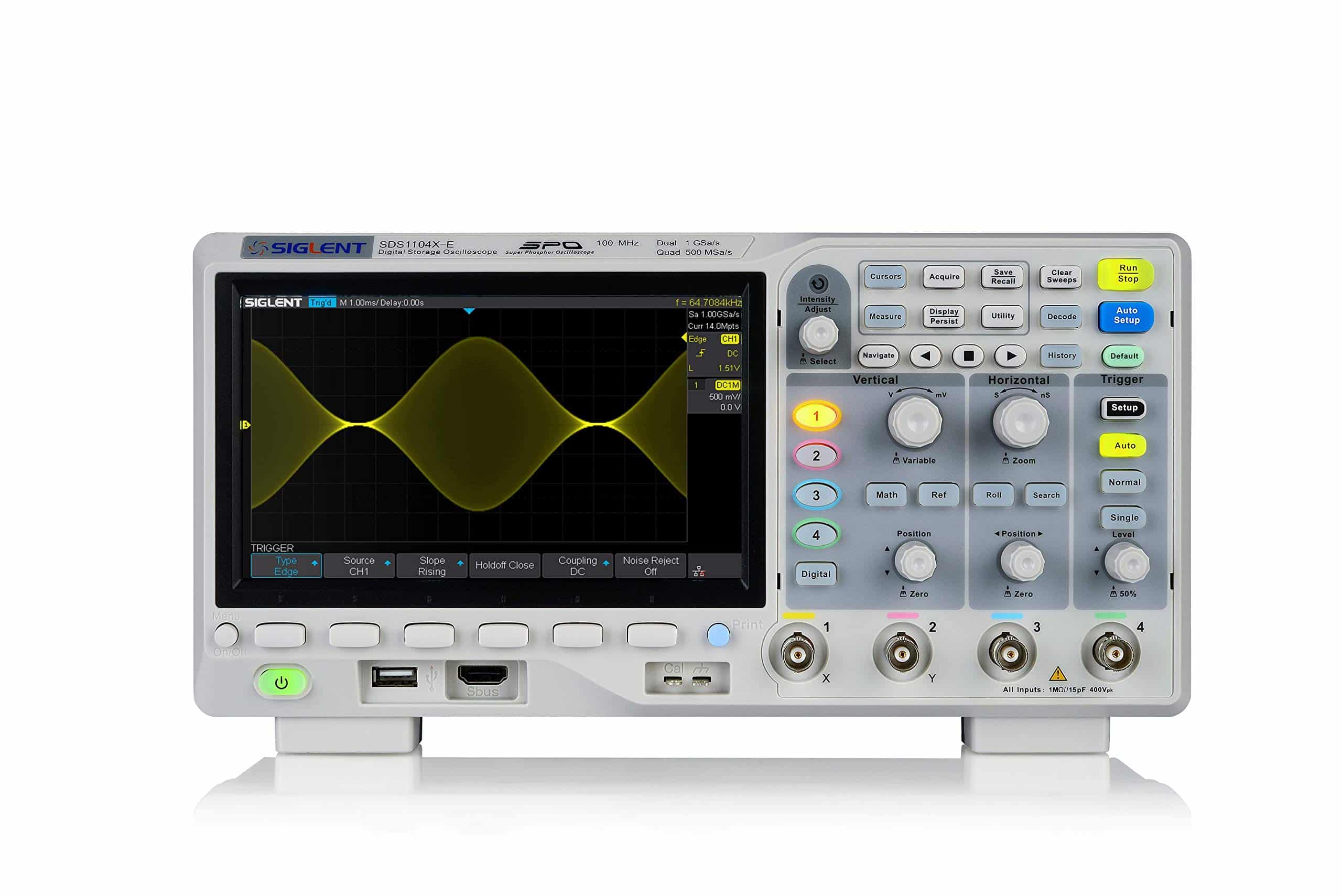
Selecting the ideal model requires matching your specific production needs with the strengths of top-tier brands. Based on industry presence, reliability, and advanced diagnostic features, here are the top recommendations when searching for an oscilloscope for electronics production:
4. Common Applications in Electronics Production
The modern oscilloscope for electronics production is highly versatile. Technicians use it across the entire manufacturing lifecycle.
Key Manufacturing Use Cases
-
SMT Assembly and PCB Manufacturing: Engineers verify surface-mount components. They check power sequencing and data bus integrity right after the soldering process.
-
Quality Control (QC): Teams automate pass/fail tests using waveform masks. The oscilloscope flags the board if a signal falls outside set limits. This catches defective units early.
-
Serial Data Analysis: Modern devices rely on protocols like I2C, SPI, CAN, and USB. Oscilloscopes decode these buses in real-time. Technicians can then identify communication errors.
-
Troubleshooting and Rework: Repair technicians trace signals on failing boards. They probe individual nodes to find the exact broken component.
-
Power Supply Testing: Technicians analyze switching losses and power quality. They also measure ripple noise in power electronics.
5. Calibration Standards and Traceability
Buying a top-tier instrument means little without a strict calibration schedule. Instrument components naturally drift over time. Temperature changes, physical stress, and aging affect internal parts like amplifiers.
This reality makes ISO/IEC 17025 accredited calibration vital. ISO/IEC 17025 serves as the highest global standard for calibration labs. Using an accredited provider ensures several key things:
-
Traceability: Metrologists trace all measurements back to NIST or equivalent institutes.
-
Measurement Uncertainty: Labs calculate and document the exact margin of error. This data gives managers total confidence.
-
Documented Procedures: Trained experts use validated, standard methods.
-
Audit Readiness: Accredited certificates satisfy regulatory bodies and top-tier clients.
Maintaining a regular Calibration service schedule keeps your test equipment technically sound and legally defensible.
6. Common Issues Found During Calibration
Routine maintenance keeps test instruments working well. A proper benchtop oscilloscope calibration often uncovers critical problems. These issues can compromise production if you ignore them:
-
Vertical Gain Errors: The instrument misrepresents voltage levels. A 5V signal might read as 4.8V. This margin of error causes false passes or failures.
-
Bandwidth Loss: Aging circuitry loses the ability to measure high frequencies. Fast signal edges start to look round and slow.
-
Timebase Errors: Internal clocks drift over time. This drift causes errors in frequency and timing. It ruins fast serial data analysis.
-
Triggering Failures: The device struggles to lock onto signal thresholds. The display becomes jittery. This makes troubleshooting nearly impossible.
-
Channel Imbalance: Channels in multi-channel setups drift at different rates. Measuring timing differences between channels leads to wrong conclusions.
7. How Often Should This Equipment Be Calibrated?
Managers often ask about the best calibration interval. No single timeline fits every situation. However, most oscilloscopes need calibration at least once every 12 months.
Several factors determine this specific schedule:
-
Manufacturer Advice: OEMs like Keysight and Tektronix suggest annual cycles. This frequency maintains published specs.
-
Usage and Environment: A device running 24/7 on a dusty floor drifts fast. A clean R&D lab causes less wear. Harsh areas might need 6-month cycles.
-
Industry Rules: Medical, aerospace, and defense sectors mandate strict rules. You must follow their internal quality manuals for compliance.
-
Historical Data: Managers review past certificates to check for drift. You should shorten the interval if the device needs frequent adjustments.
8. What to Look for in a Calibration Provider
Choosing the right lab matters just as much as picking the instrument. Look for these key traits when you evaluate a calibration partner:
-
Verified Accreditation: Check for current ISO/IEC 17025 accreditation. Ensure the scope covers your specific frequencies and bandwidths.
-
Technical Skill: The lab must own high-end calibrators. These tools must handle wide-bandwidth oscilloscopes.
-
Turnaround Time: Downtime costs money. Find a lab that offers fast, guaranteed turnarounds.
-
On-Site Service: Moving large volumes of equipment is hard. On-site calibration offers a huge logistical advantage.
-
Clear Documents: Certificates must be clear and detailed. You should easily access them via a digital portal.
9. Why Choose Techmaster Electronics?
Your Premier Calibration Partner
Techmaster Electronics serves as a premier calibration partner. We help organizations that need accurate and traceable services. We fully understand the unique pressures of the manufacturing sector.
We offer rapid turnarounds and expert metrologists. Techmaster Electronics keeps your operations accurate and compliant.
10. Conclusion
The margin for error in electronics manufacturing is tiny. The right oscilloscope lets your team analyze complex signals clearly. However, uncalibrated instruments will eventually deliver bad data. This leads to defects, failures, and lost revenue. Partner with an accredited provider for calibration and rentals. This action protects your product quality and your competitive edge.
11. Frequently Asked Questions (FAQs)
Frequently Asked Questions
Frequently asked questions
What is oscilloscope calibration?
Oscilloscope Calibration is the documented comparison of a oscilloscope against NIST-traceable reference standards under ISO/IEC 17025. It quantifies the oscilloscope’s error and measurement uncertainty and confirms it performs within tolerance, with as-found and as-left data on the certificate.
How often should a oscilloscope be calibrated?
Most quality systems calibrate a oscilloscope every 12 months, or sooner after repair, overload, or before critical measurements. Set your interval from the manufacturer spec and your ISO 9001 / 13485 / AS9100 program and drift history.
Is Techmaster’s oscilloscope calibration ISO 17025 accredited?
Yes. Techmaster Electronics is ISO/IEC 17025:2017 accredited by ANAB (Certificate AC-1736). Every oscilloscope calibration is NIST-traceable and issued with a full measurement-uncertainty budget.
What is the turnaround for oscilloscope calibration?
Standard turnaround is 5 business days, with 1–2 business-day expedite available. On-site calibration removes shipping time entirely for oscilloscopes that can’t leave the floor.
Do you calibrate oscilloscopes on-site or in-lab?
Both. Techmaster runs five US labs (Vista CA, Santa Clara CA, Orlando FL, San Antonio TX, Holly Springs NC) and offers nationwide on-site oscilloscope calibration to minimize downtime.
References & industry standards
- ISO/IEC 17025 testing & calibration laboratory requirements
- NIST calibration services and measurement traceability
- NIST Fundamental Electrical Measurements
- A2LA / ANAB accreditation for calibration laboratories
External standards bodies. Techmaster Electronics is an ISO/IEC 17025-accredited, NIST-traceable calibration laboratory.

Khanh Nguyen is the Marketing Manager at Techmaster Electronics, a B2B marketing leader covering the test, measurement, and ISO/IEC 17025 accredited calibration industry in the United States.