
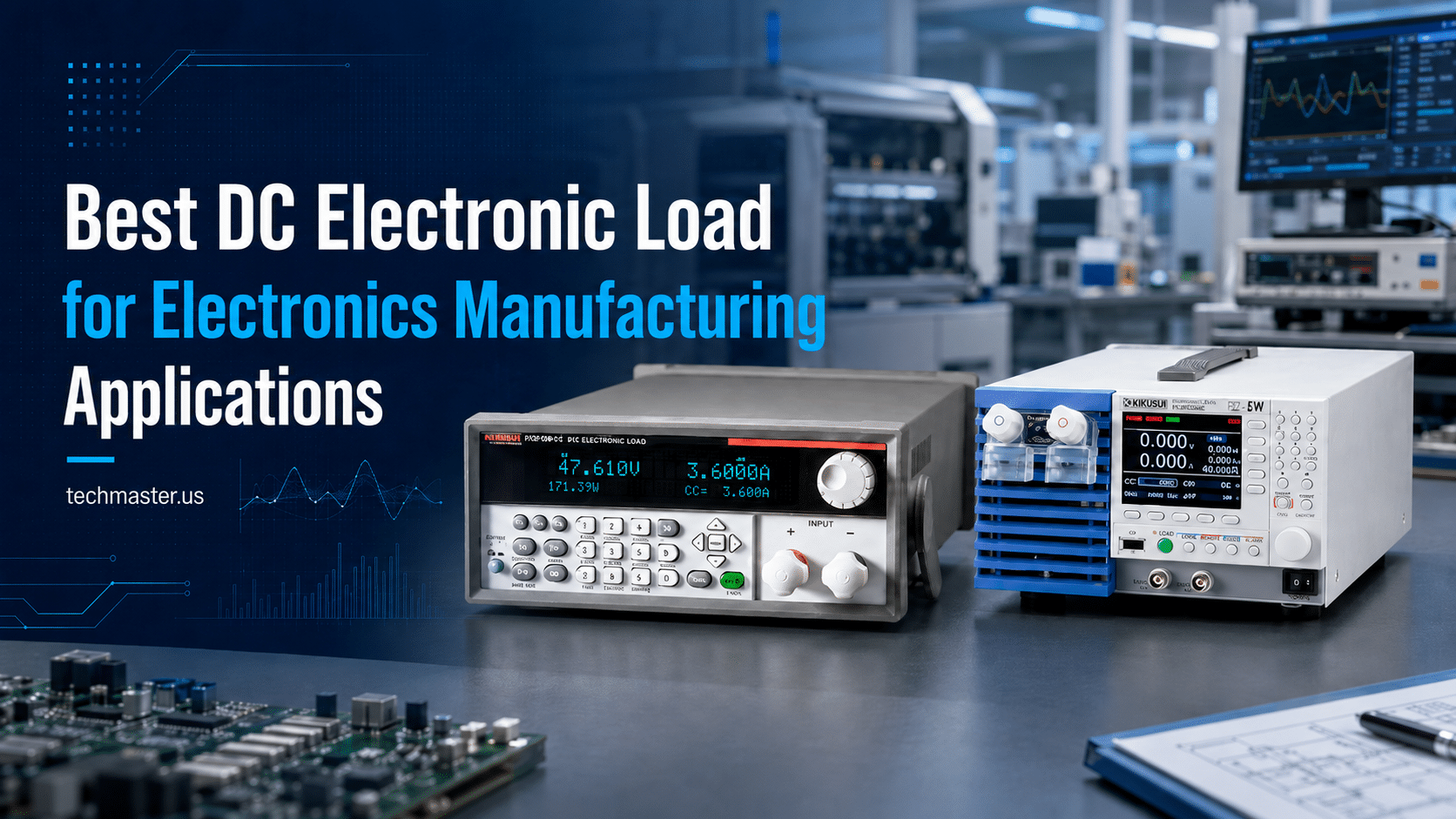
Best DC Electronic Load for Electronics Manufacturing Applications
In the rapidly evolving world of industrial hardware and consumer technology, precision is not just a target, it is an absolute necessity. Modern power supplies, EV battery packs, and intricate printed circuit boards demand rigorous stress testing to ensure they perform reliably under fluctuating real-world conditions. For verifying power stability, thermal endurance, and overall electrical efficiency, deploying the best dc electronic load for electronics manufacturing is a critical operational decision.
A reliable electronic load acts as an active, programmable power sink. It simulates complex power demands to guarantee that your products meet stringent safety and performance standards before they ever leave the factory floor. Whether you are validating aerospace avionics or testing consumer mobile devices, utilizing the right test and measurement equipment drastically reduces development time, prevents costly recalls, and ensures regulatory compliance.
1. What Is a DC Electronic Load?
A DC Electronic Load is a highly specialized piece of electrical test equipment designed to absorb, dissipate, or redirect power from a direct current (DC) source. While a traditional passive resistor provides a fixed resistance to a circuit, an electronic load is dynamic. It allows engineers to actively control and program the specific voltage, current, power, or resistance it draws from the power source under test.
This dynamic control is vital for mimicking the erratic power consumption patterns of modern electronics. In a production or laboratory setting, these instruments are used to characterize power supplies, evaluate battery discharge cycles, test fuel cells, and validate solar arrays.
Most high-performance loads operate in four primary modes:
-
Constant Current (CC): The load draws a steady current regardless of voltage variations.
-
Constant Voltage (CV): The load adjusts its current draw to maintain a specific voltage across the source.
-
Constant Power (CP): The load continuously adjusts voltage and current to absorb a steady wattage.
-
Constant Resistance (CR): The load emulates a fixed resistor, adjusting current proportionally to voltage changes.
2. Why the Best DC Electronic Load for Electronics Manufacturing Matters
Selecting the appropriate load directly impacts the integrity of your quality assurance data, product reliability, and manufacturing throughput.
-
Measurement Accuracy & Traceability: High-quality electronic loads provide highly precise measurements of voltage drops, current transients, and power efficiency. This data is the foundation of your pass/fail criteria on the production line.
-
Risk Reduction: By accurately simulating extreme load conditions and short-circuits, manufacturers can identify thermal management issues, design flaws, or component weaknesses early. This significantly lowers the risk of catastrophic field failures.
-
Compliance and Safety: In regulated sectors such as aerospace, medical devices, and automotive, demonstrating product safety through rigorous, documented testing is mandatory. The right load, properly calibrated, ensures your tests meet these stringent standards.
-
Operational Reliability: Automated Test Equipment (ATE) setups in manufacturing environments require robust instruments capable of continuous operation. Premium loads minimize downtime and maintain a smooth flow on the production line.
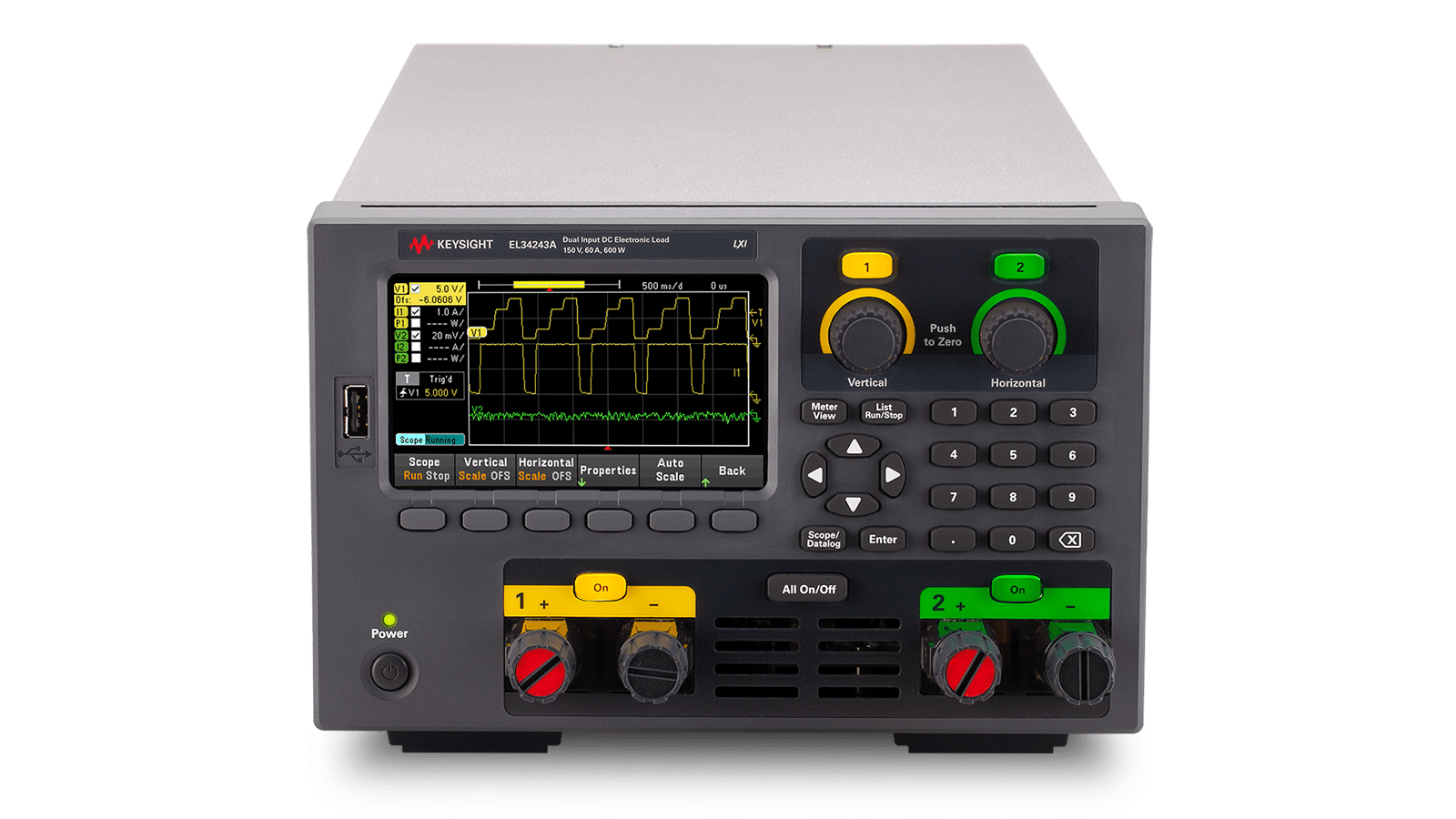
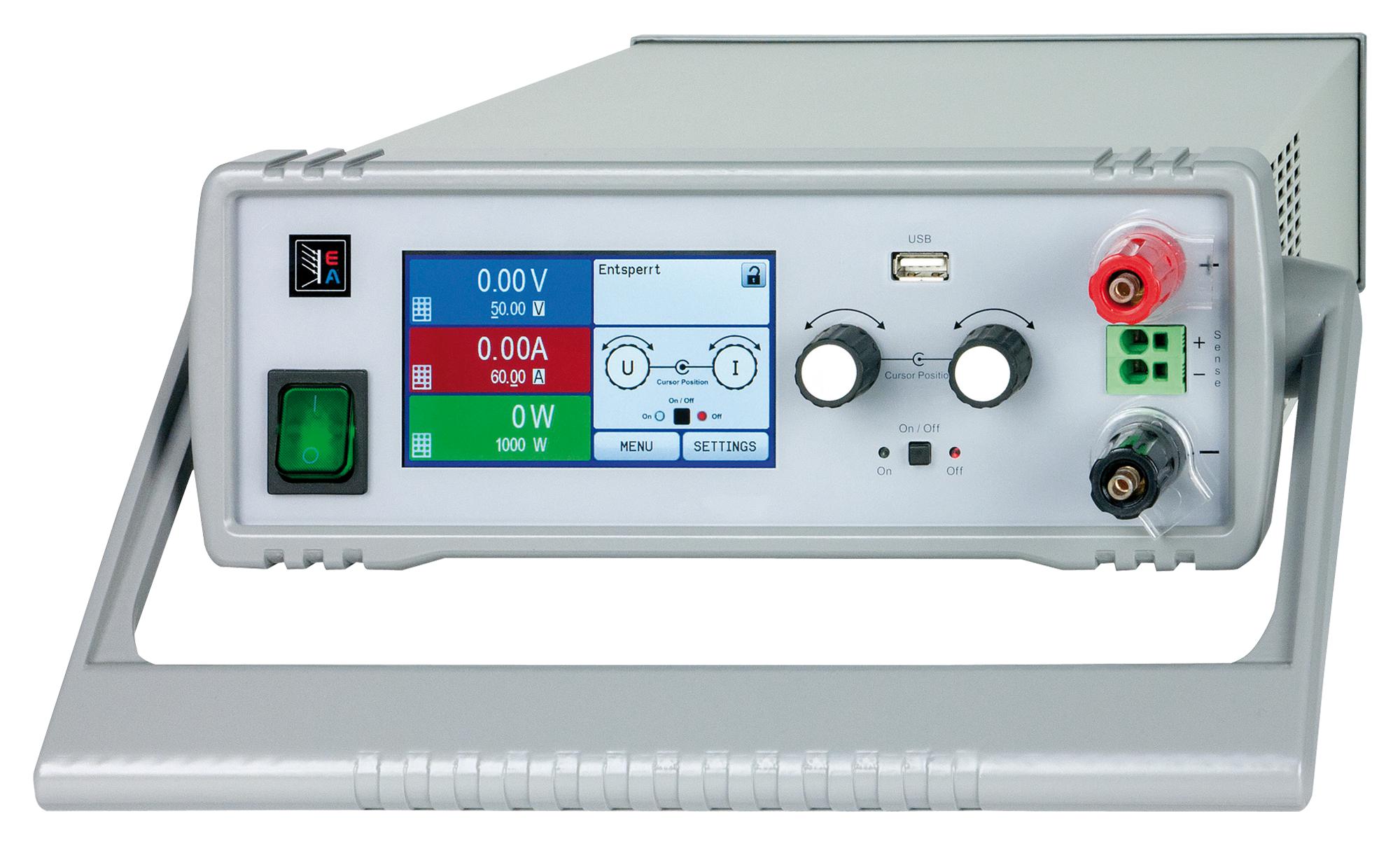
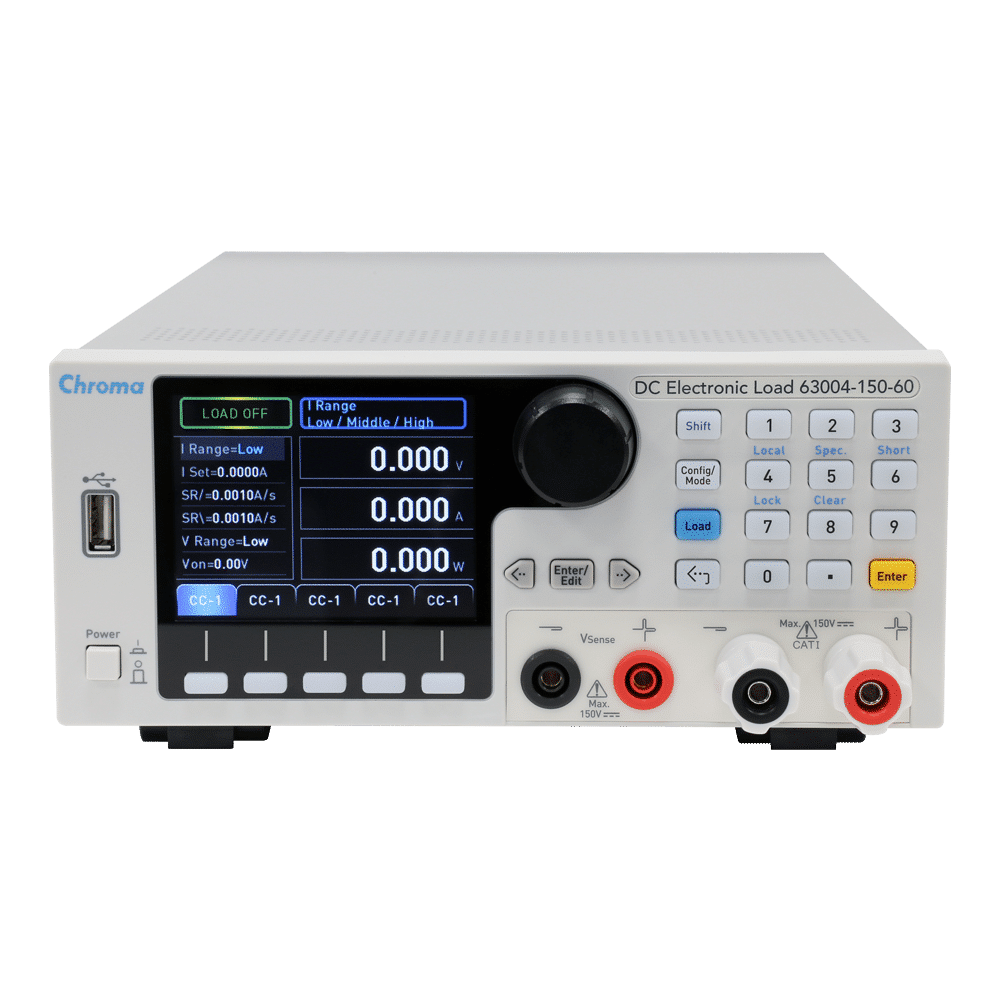
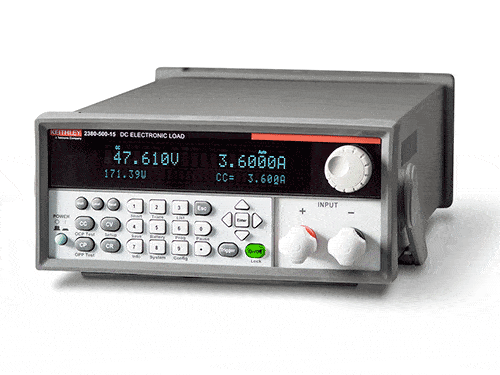
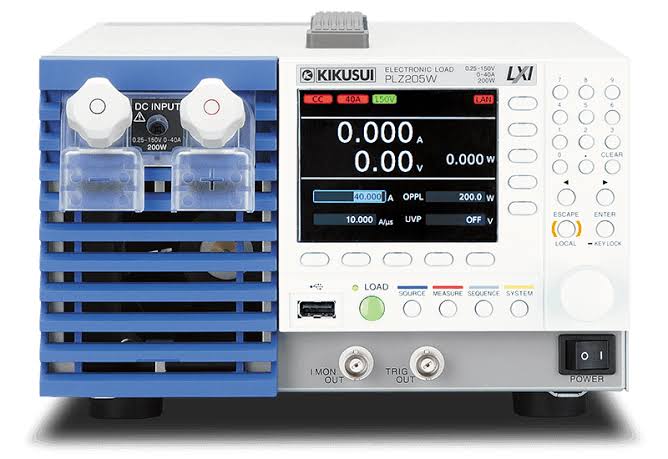
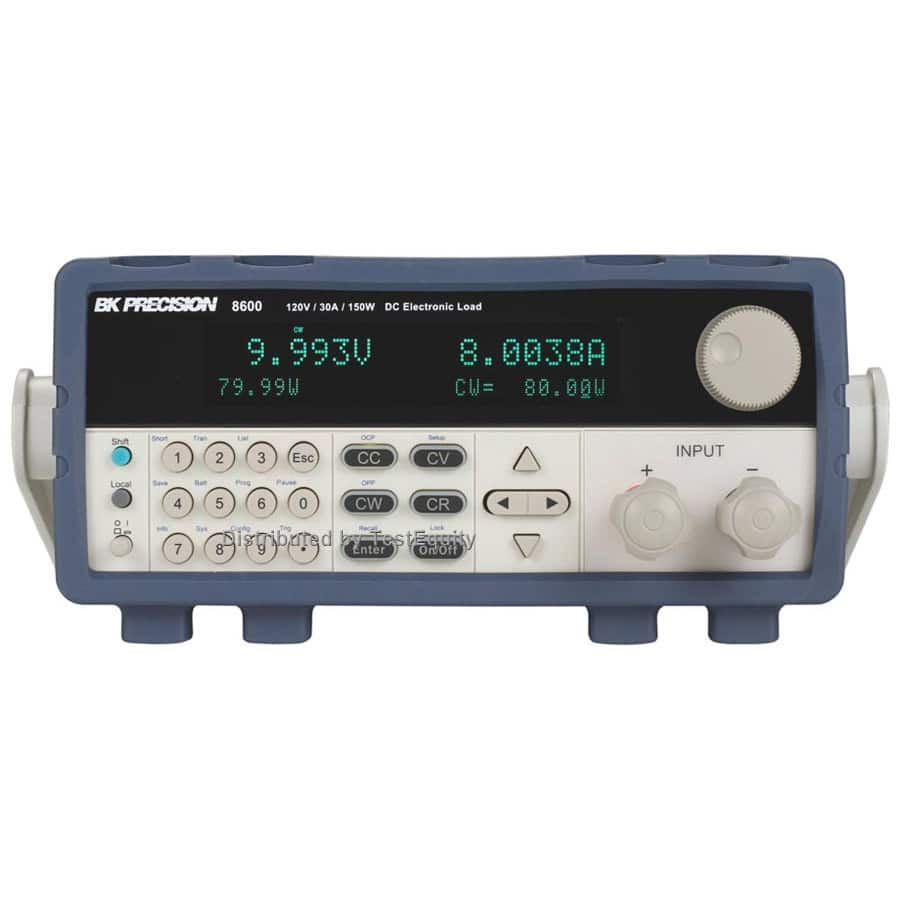
3. Recommended Brands: Top Brands of DC Electronic Load
4. Common Electronics Manufacturing Applications
5. Calibration Standards and Traceability
Even the most advanced test and measurement equipment is subject to metrological drift over time. Components age, thermal stress accumulates, and continuous operation causes measurement values to subtly shift. To ensure that your electronic load continues to provide trustworthy data, maintaining ISO 17025 calibration is non-negotiable.
An accredited calibration provider verifies the instrument against NIST-traceable standards, evaluating measurement uncertainty across the load’s full operational range. This multi-point verification process is critical for passing external audits and maintaining quality certifications like ISO 9001, AS9100, or IATF 16949.
Ensuring your equipment is serviced by an accredited laboratory provides a documented chain of traceability, proving that the instrument is performing strictly within its OEM specifications. Utilizing a professional Calibration service protects the integrity of your manufacturing data and shields your company from the liability of false passes.
6. Common Issues Found During Calibration
During routine calibration cycles, metrologists frequently encounter several issues that can degrade the performance of an electronic load:
-
Measurement Drift: The most frequent issue, where the voltage or current readbacks stray from the baseline accuracy due to thermal cycling and component aging.
-
Out-of-Tolerance Output: The instrument fails to absorb the exact specified current or power, drawing slightly more or less than programmed. This leads directly to false positive or false negative results on the manufacturing line.
-
Thermal Degradation: Electronic loads intentionally dissipate large amounts of power as heat. Over time, inadequate lab cooling or prolonged maximum-capacity stress can degrade internal power transistors (MOSFETs) and thermal sensors.
-
Electrical Instability: Issues with the internal control loop can cause oscillation, ringing, or instability when the load is asked to draw dynamic, pulsed, or rapid transient currents.
-
Mechanical Wear: High-current operations often lead to mechanical wear, oxidation, or arcing on the input terminals and internal relays, leading to poor repeatability.
7. How Often Should This Equipment Be Calibrated?
Determining the correct calibration interval depends heavily on your specific usage profile, the environment, and internal quality manual requirements.
As a general industry standard, most manufacturers and quality systems mandate a 12-month calibration cycle. However, for electronic loads used continuously in 24/7 manufacturing environments, or those frequently pushed near their maximum thermal and power limits, a 6-month interval is highly recommended to catch metrological drift early.
Always align your calibration schedule with your industry’s specific regulatory requirements (such as FDA QSR for medical devices). In addition, any test instrument must be recalibrated immediately after a repair, a firmware update affecting metrology, or a significant electrical overload event.
8. Offer Renting Service: Flexibility for Electronics Manufacturing
Balancing capital expenditure while maintaining access to premium equipment is a constant challenge. Fortunately, Techmaster Electronics solves this by offering flexible rental services for electronic loads and other critical instruments.
For instance, renting provides an immediate, budget-friendly solution for short-term projects, sudden production spikes, or covering equipment downtime. In addition, every unit deployed from our rental fleet ships pre-calibrated with an ISO/IEC 17025 accredited certificate. As a result, you gain instant access to top-tier technology without the long-term capital commitment. In the end, this approach preserves your operating budget while guaranteeing measurement integrity.
9. What to Look for in a Calibration Provider
10. Why Choose Techmaster Electronics?
Since 1989, Techmaster Electronics has served as a trusted partner for industries where precision is absolutely critical. Specifically, we operate multiple ANAB-accredited (ISO/IEC 17025) laboratories across the United States. Consequently, we deliver expert metrology services backed by decades of technical experience.
In addition, we understand that finding the right equipment is only half the battle. Therefore, maintaining its accuracy over its lifespan is our primary focus. In addition, our skilled metrologists specialize in the calibration and repair of complex power electronics. In the end, with options for rapid in-lab service, nationwide on-site calibration, and a massive fleet of pre-calibrated rental equipment,
11. Conclusion
In the competitive field of electronics manufacturing, the reliability of your power sources dictates the safety and success of your final product. Investing in premium DC electronic loads allows your engineering teams to rigorously validate designs and maintain uncompromising production standards. However, the exactness of these instruments must be protected through regular, accredited calibration. Partnering with a reliable metrology and rental provider ensures you always have access to the right equipment, perfectly calibrated, exactly when you need it.
12. FAQ Section
References & industry standards
- ISO/IEC 17025 testing & calibration laboratory requirements
- NIST calibration services and measurement traceability
- A2LA / ANAB accreditation for calibration laboratories
External standards bodies. Techmaster Electronics is an ISO/IEC 17025-accredited, NIST-traceable calibration laboratory.
Frequently asked questions
What is dc electronic load calibration?
DC Electronic Load Calibration is the documented comparison of a DC electronic load against NIST-traceable reference standards under ISO/IEC 17025. It quantifies the DC electronic load’s error and measurement uncertainty and confirms it performs within tolerance, with as-found and as-left data on the certificate.
How often should a DC electronic load be calibrated?
Most quality systems calibrate a DC electronic load every 12 months, or sooner after repair, overload, or before critical measurements. Set your interval from the manufacturer spec and your ISO 9001 / 13485 / AS9100 program and drift history.
Is Techmaster’s DC electronic load calibration ISO 17025 accredited?
Yes. Techmaster Electronics is ISO/IEC 17025:2017 accredited by ANAB (Certificate AC-1736). Every DC electronic load calibration is NIST-traceable and issued with a full measurement-uncertainty budget.
What is the turnaround for DC electronic load calibration?
Standard turnaround is 5 business days, with 1–2 business-day expedite available. On-site calibration removes shipping time entirely for DC electronic loads that can’t leave the floor.
Do you calibrate DC electronic loads on-site or in-lab?
Both. Techmaster runs five US labs (Vista CA, Santa Clara CA, Orlando FL, San Antonio TX, Holly Springs NC) and offers nationwide on-site DC electronic load calibration to minimize downtime.

Khanh Nguyen is the Marketing Manager at Techmaster Electronics, a B2B marketing leader covering the test, measurement, and ISO/IEC 17025 accredited calibration industry across the US and Vietnam markets.