
Blog
Particle Counter Repair: The Pump Is Usually the Problem
Note on particle counters: This page is for general information only. Techmaster does not calibrate...
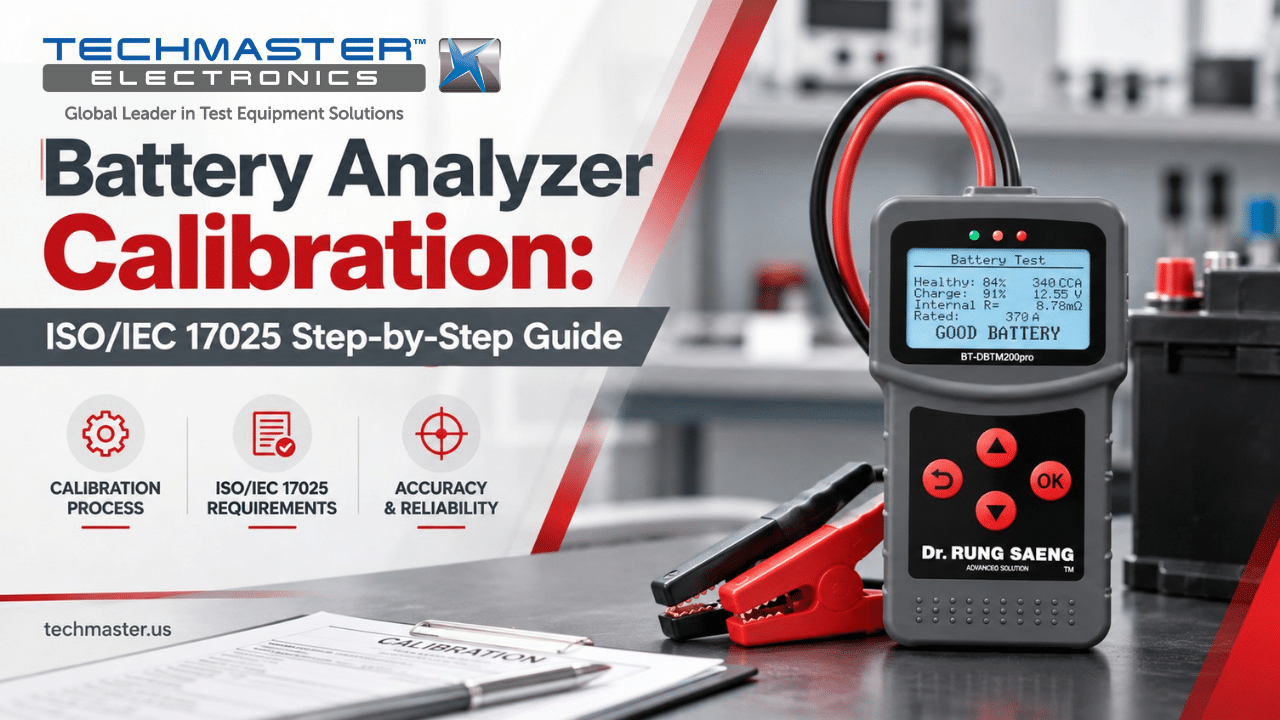
Battery Analyzer Calibration: ISO/IEC 17025 Guide
Battery Analyzer Calibration: ISO/IEC 17025 Step-by-Step Guide In electric vehicle (EV) manufacturing, data center UPS...
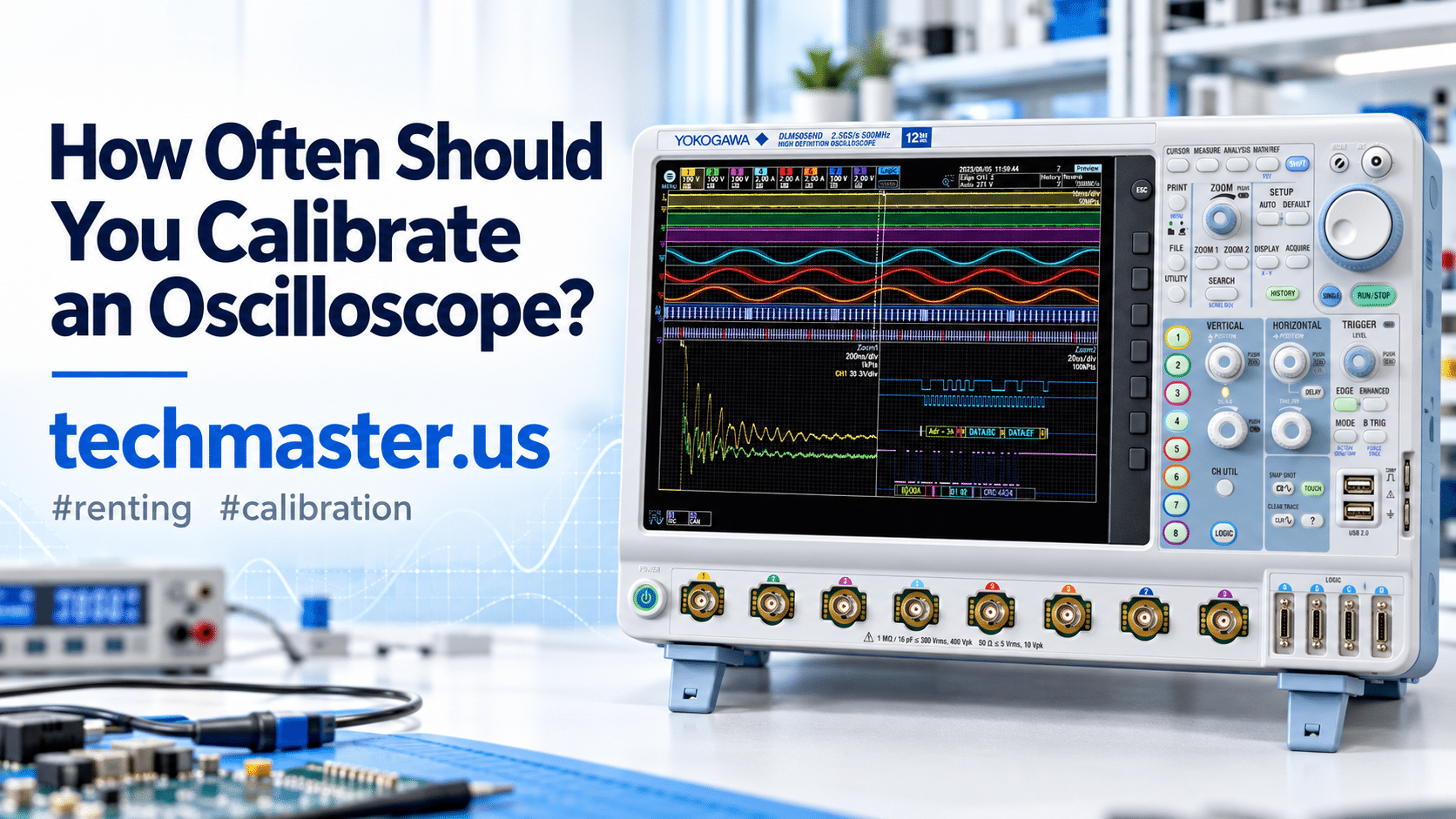
How Often Should You Calibrate an Oscilloscope?
How Often Should You Calibrate an Oscilloscope? A Complete guide Bench oscilloscopes serve as the...
Calibration vs Verification vs Adjustment vs Repair: What’s the Difference?
Calibration vs verification is the most common mix-up in a quality system, and adjustment and...
How to Choose Calibration Management Software (8 Features That Matter)
TL;DR: Calibration management software earns its keep past roughly 50 instruments, across multiple sites, or...
EMC Chamber Site Validation: NSA vs. sVSWR and the 3-Year FCC Clock
Site validation proves the chamber behaves like free space; calibration proves the instruments read true....
IATF 16949 Calibration Requirements: Laboratory Scope, Records, and MSA
TL;DR: IATF 16949 is prescriptive where ISO 9001 is general. Externally calibrated equipment must come...
How Often Calibrate Universal Testing Machine?
Universal Testing Machine FAQ: Calibration Intervals, Accuracy & Compliance In materials testing, metal testing, and...
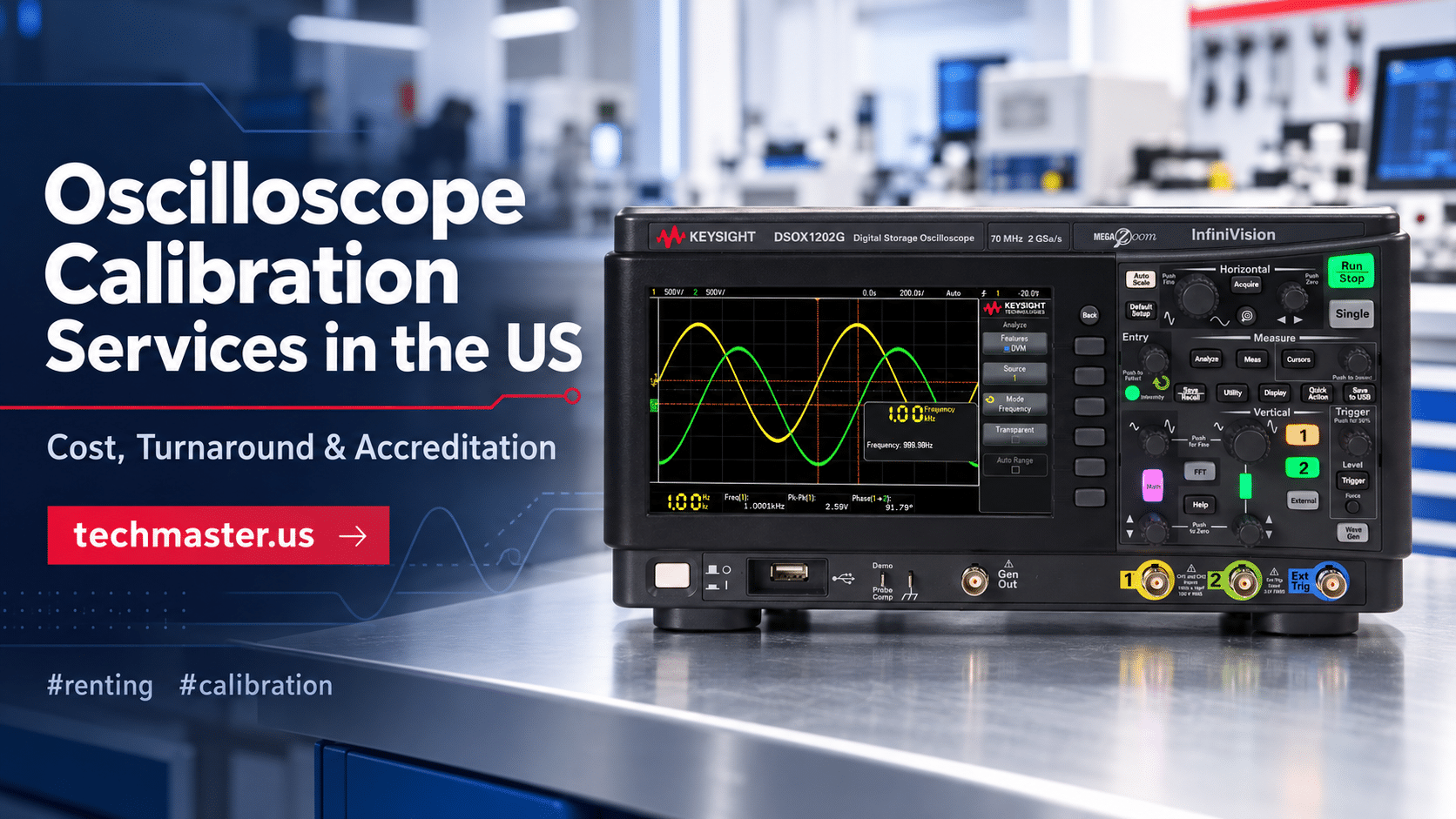
Oscilloscope Calibration Services in the US: Cost & Turnaround
Oscilloscope Calibration Services in the US: Cost, Turnaround, and Accreditation The oscilloscope is a key...
Calibration Requirements for Medical Devices: ISO 13485 and FDA 21 CFR 820.72
TL;DR: Medical device calibration answers to two nearly identical clauses, ISO 13485 clause 7.6 and...