
Blog

Calibration Labels and Status Tagging: What Belongs on the Label
TL;DR: A calibration label needs the unique instrument ID (matching your master list), the calibration...
What to Do If Your Calibration Lab Loses Accreditation
TL;DR: It is rare and survivable. Work performed while the lab held accreditation for that...
PXI and Modular Instrument Calibration: Why Self-Cal Is Not Enough
TL;DR: A modular rack is not one instrument. Traceability lives at the module, each card...
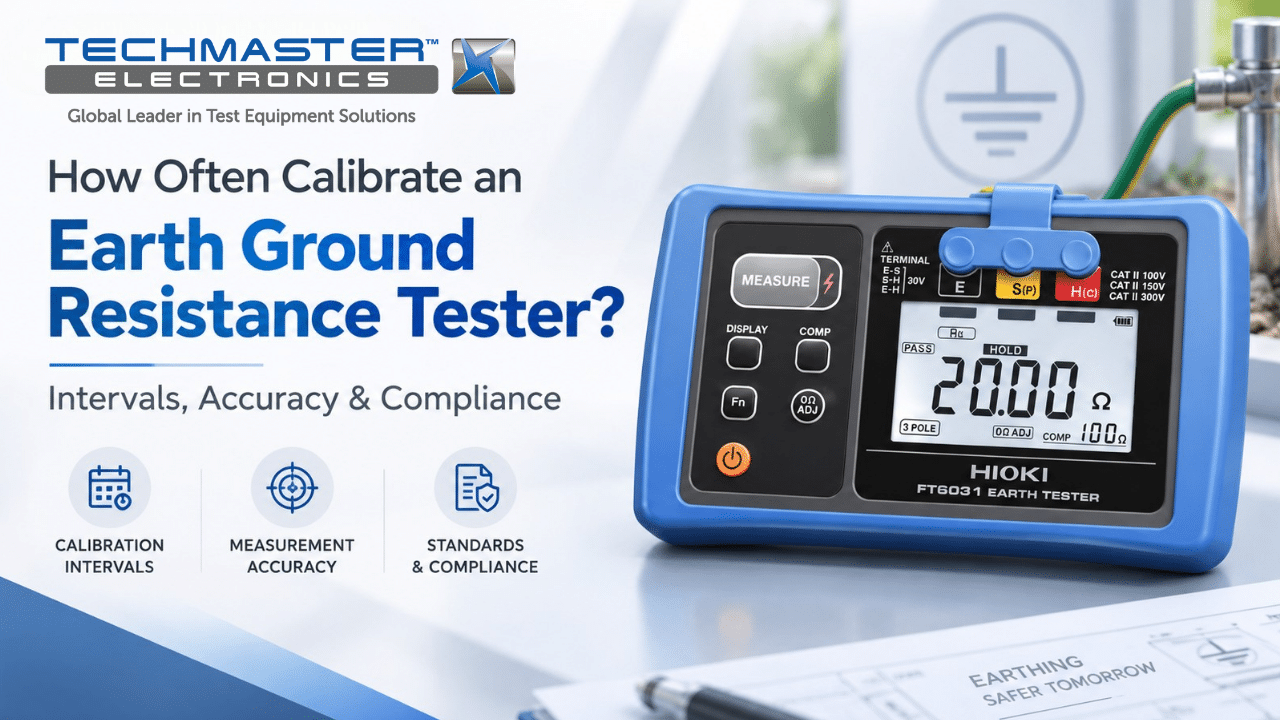
How Often Calibrate Earth Ground Resistance Tester?
How Often Should You Calibrate an Earth Ground Resistance Tester? Intervals, Accuracy & Compliance Knowing...
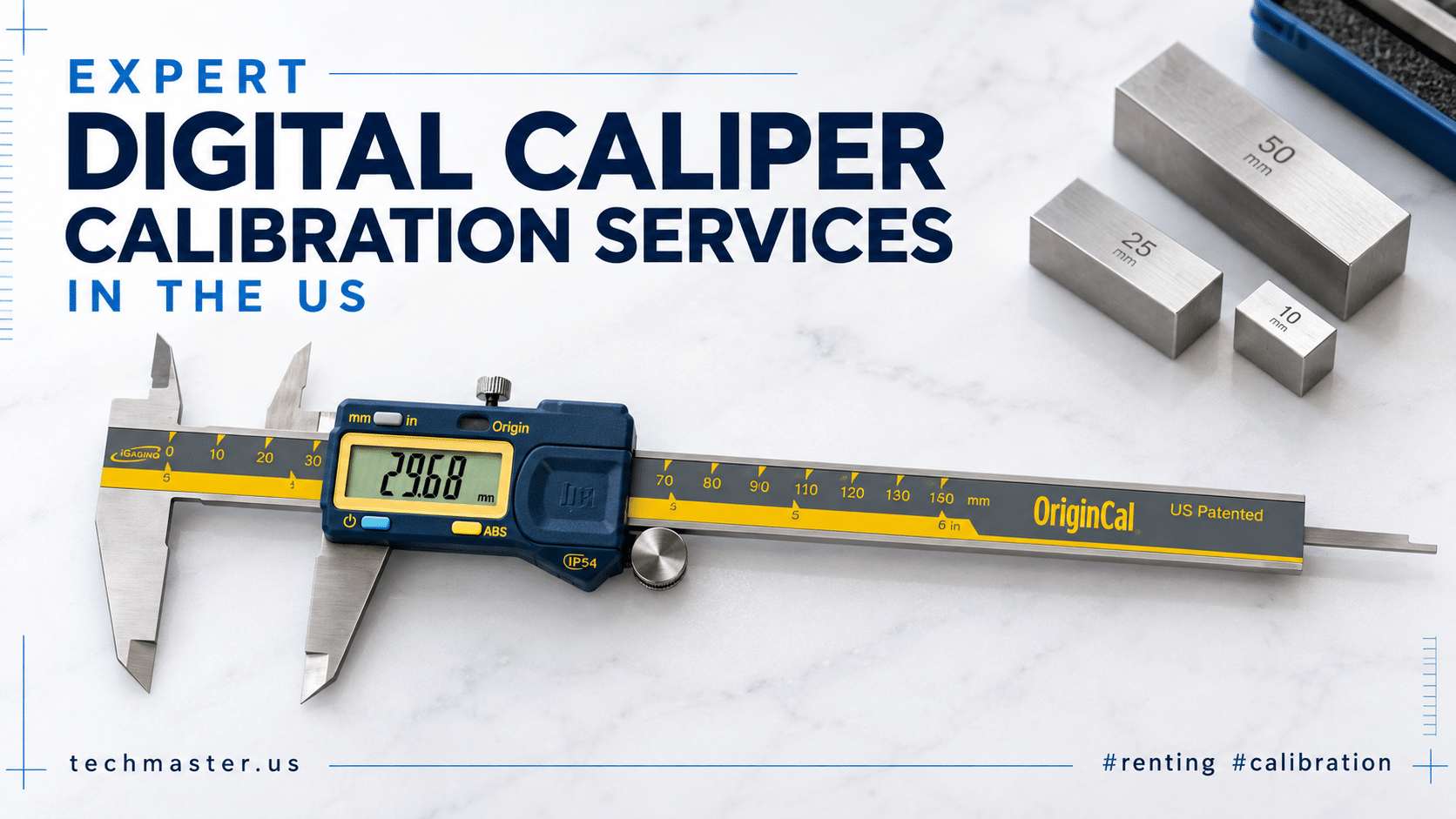
Expert Digital Caliper Calibration Services in the US
Comprehensive Digital Caliper Calibration Services in the US: Ensuring Measurement Precision Regulated industries like aerospace...
Shaker Table Rental: How to Size a Vibration System for Your Profile
TL;DR: A shaker table rental goes wrong on sizing, not availability. Four numbers decide whether...
Electronic Load Calibration Guide: Every Mode, Not Just Constant Current
TL;DR: Electronic load calibration verifies CC, CV, CR and CP mode accuracy, voltage and current...
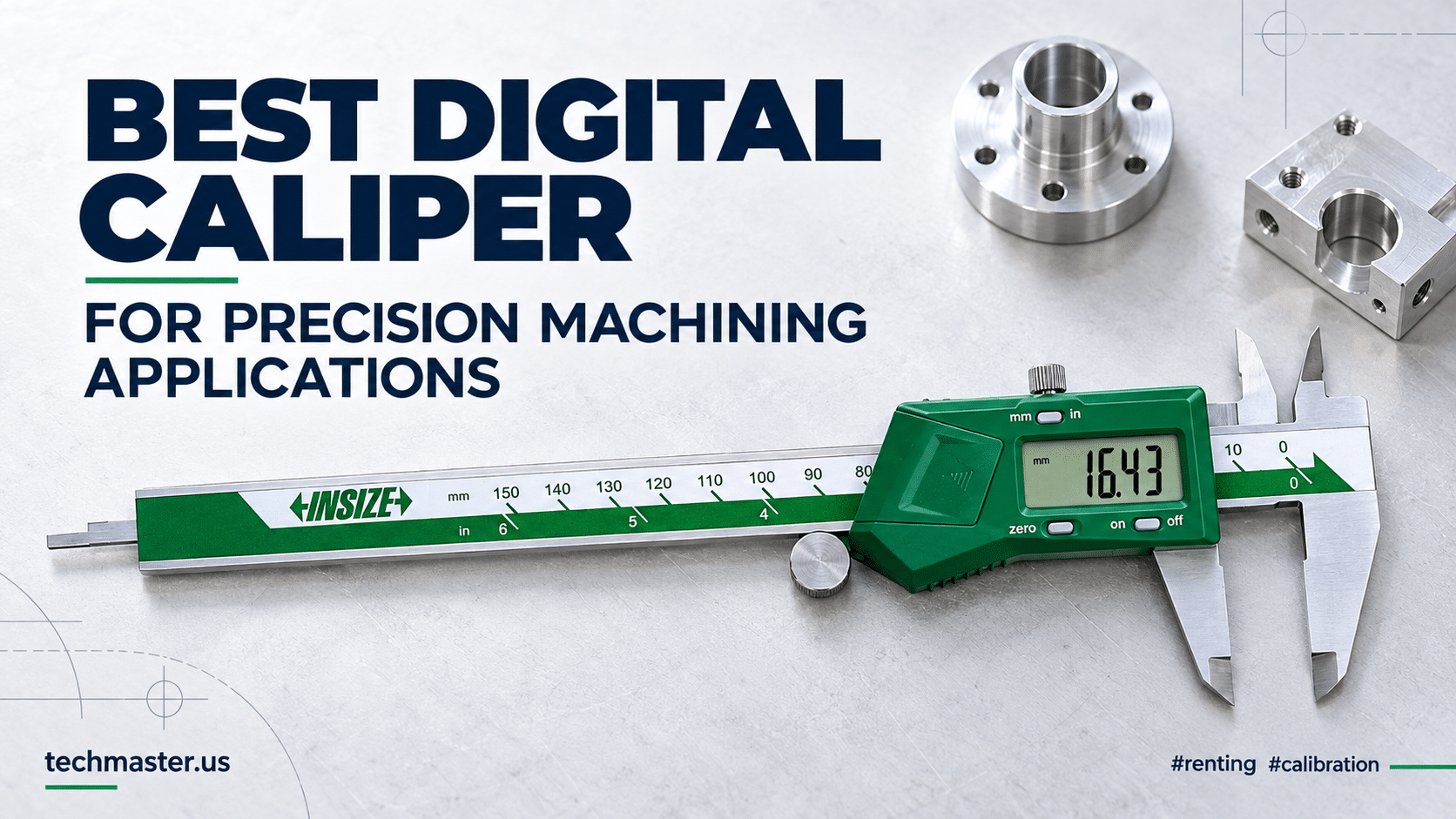
Best Digital Caliper for Precision Machining Applications
Best Digital Caliper for Precision Machining Applications Modern manufacturing demands exact precision. Specifically, a fraction...
LCR Meter Calibration Guide: Why Fixture Compensation Is Not Calibration
TL;DR: LCR meter calibration verifies capacitance, inductance, resistance and complex impedance across ranges, plus the...
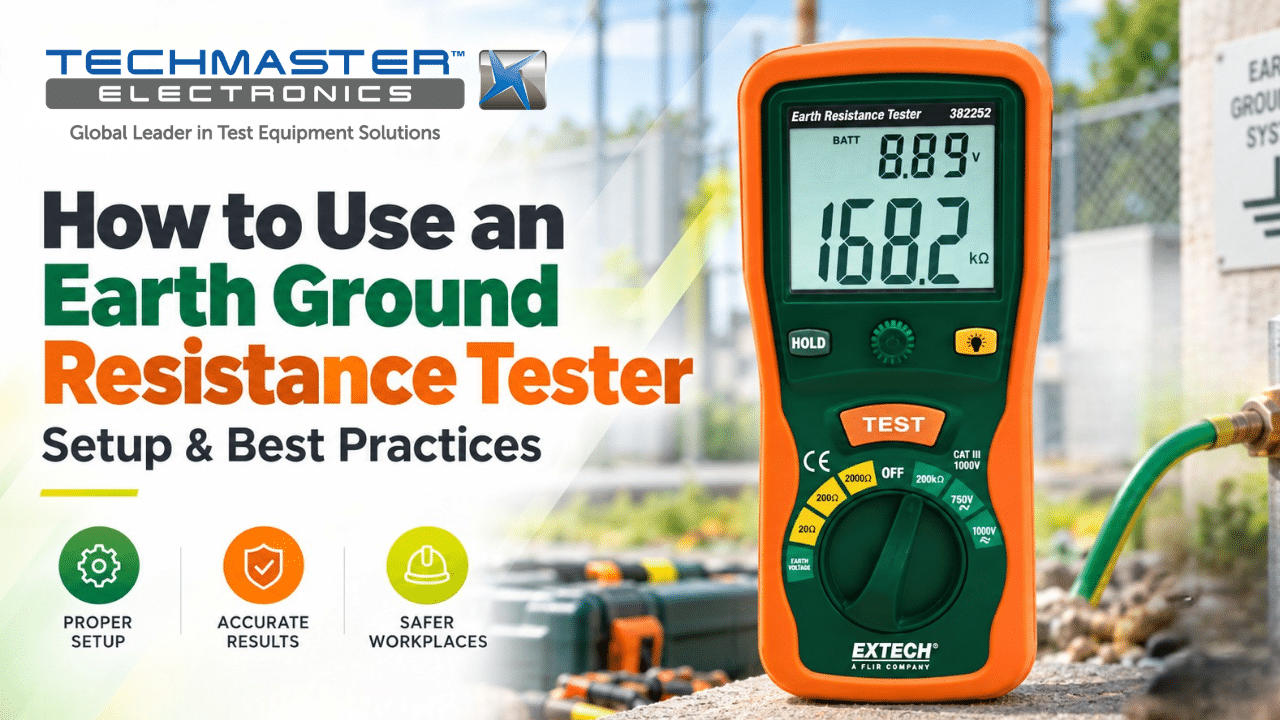
How to Use Earth Ground Resistance Tester?
How to Use an Earth Ground Resistance Tester: Setup, Operation & Best Practices Knowing how...