
Blog
Process Calibrator Repair: Six Faults That Propagate
TL;DR: A process calibrator fails quietly: the mA source drifts, the battery degrades accuracy as...
12 Red Flags on a Calibration Certificate (Check These Before Filing It)
TL;DR: Twelve things should stop you before an instrument goes back into service: no as-found...
How to Read a Calibration Lab’s Accreditation Scope (Column by Column)
Reading an accreditation scope is simpler than it looks once you know which four columns...
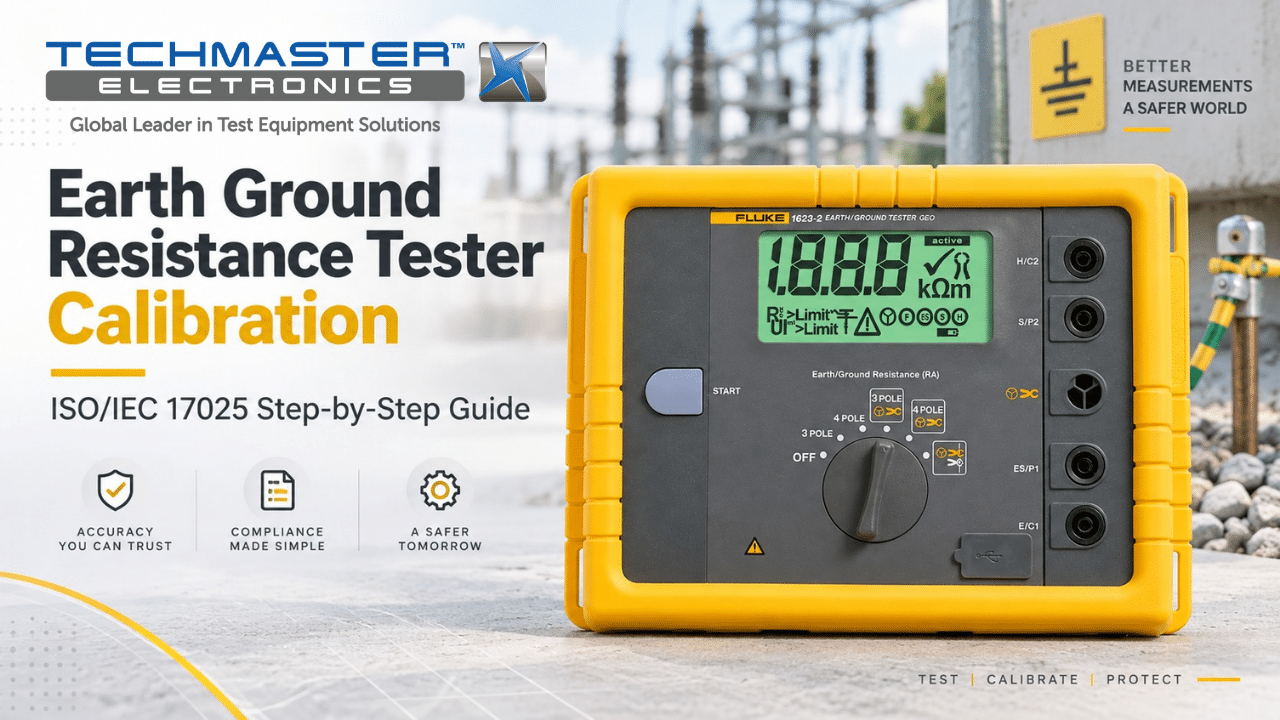
Earth Ground Resistance Tester Calibration: ISO/IEC 17025 Guide
Earth Ground Resistance Tester Calibration: ISO/IEC 17025 Step-by-Step Guide In electrical power systems, substations, and...
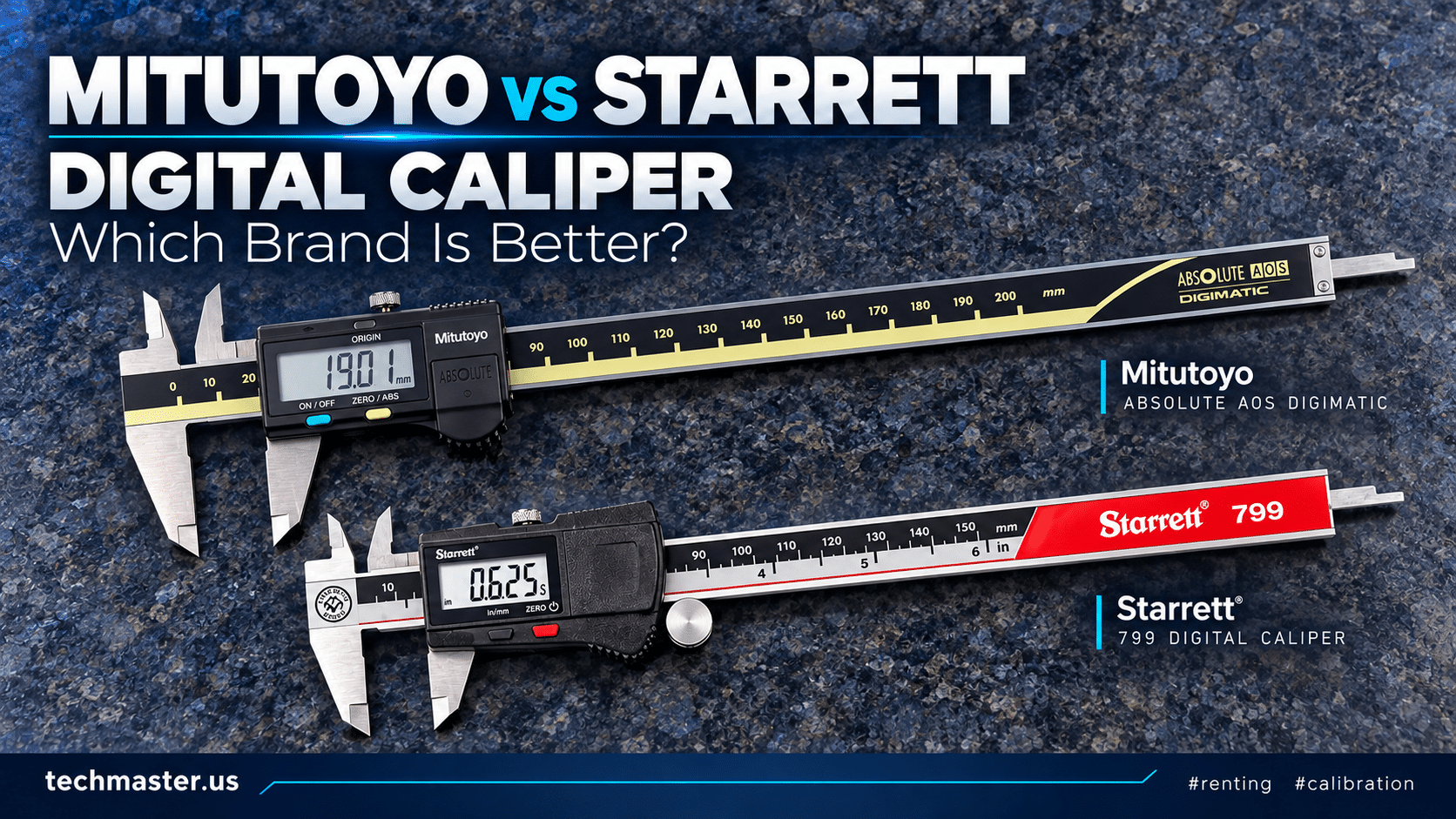
Mitutoyo vs Starrett Digital Caliper: Which Brand Is Better?
Mitutoyo vs Starrett Digital Caliper: Which Brand Is Better? When outfitting a machine shop, inspection...
Calibration Certificate Levels Compared: NIST-Traceable vs Z540 vs Accredited
TL;DR: Three levels, three different claims. NIST-traceable says the lab used traceable standards, the lab’s...
Calibration Audit Preparation: The 6 Things Auditors Actually Check
TL;DR: Good calibration audit preparation starts from one fact: auditors sample; they don’t read. The...
How to Justify Extending a Calibration Interval to an Auditor
TL;DR: Extending an interval is a decision you have to earn. Auditors accept six things:...
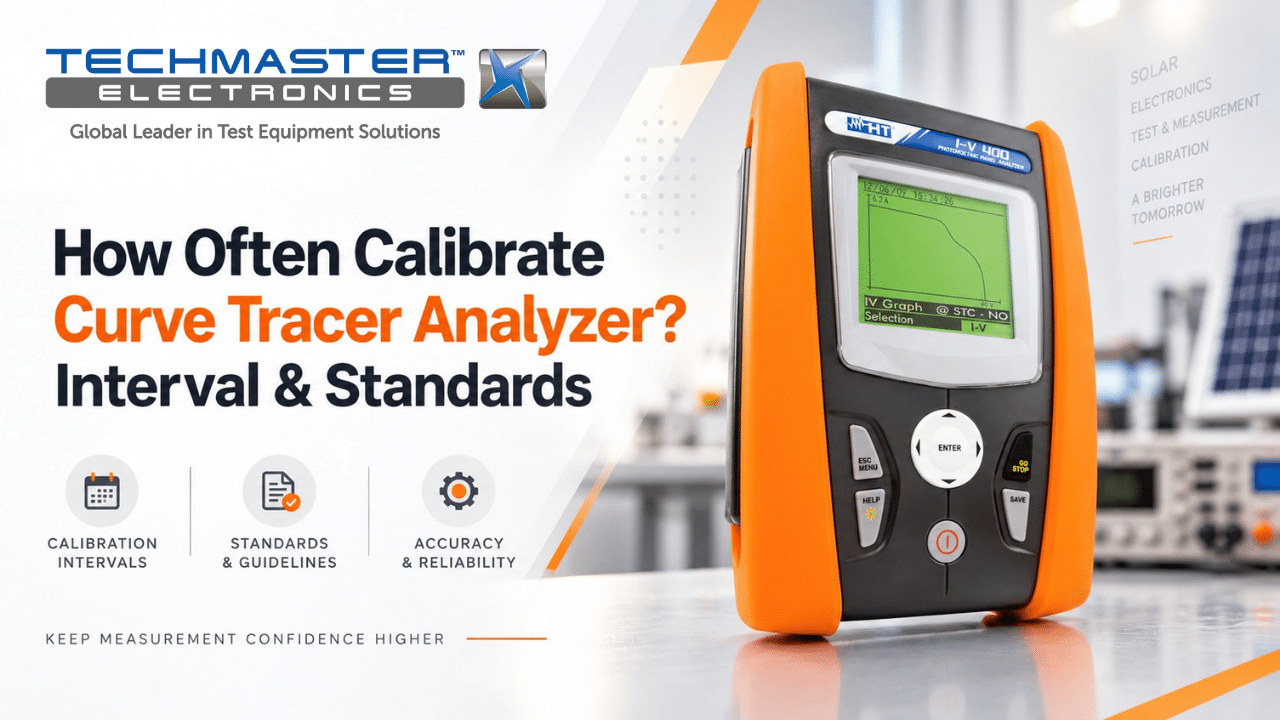
How Often Calibrate Curve Tracer Analyzer?
Curve Tracer Analyzer FAQ: Calibration Intervals, Accuracy & Compliance High-voltage photovoltaic (PV) curve tracer analyzers...
Signal Generator Rental: Specify Modulation Before Frequency
TL;DR: A signal generator rental is specified by modulation type first, not frequency range. An...