
Pressure Transmitter Calibration
Why calibration intervals matter
How Pressure Transmitter calibration works
- Intake & visual inspection
- Environmental stabilization
- As-found measurement
- Comparison to NIST-traceable standards
- Adjustment if required
- As-left results & certificate
Your calibration, covered
In-lab vs on-site calibration
In-lab calibration
- Accredited bench with full reference standards
- Best achievable measurement uncertainties
- Pickup & return logistics handled
- Ideal for precision and reference work
On-site calibration
- We calibrate the Pressure Transmitter at your facility
- No shipping risk or transit downtime
- As-found data captured before any move
- Ideal for fixed, large or sensitive assets
In-depth guide
Regular pressure transmitter calibration keeps your operations safe, accurate, and compliant in industries like pharmaceuticals, automotive, and energy. Without it, even top-quality transmitters can drift, leading to errors, audit failures, or costly downtime.
Techmaster’s accredited calibration services ensure your systems perform reliably and stay audit-ready.
What Is a Pressure Transmitter and Where Is It Used?
A pressure transmitter measures pressure and converts it into an electrical signal for automated process control. These devices are vital across industries:
- Pharmaceuticals: Maintains cleanroom pressure to meet FDA and cGMP standards.
- Automotive: Ensures accurate brake and fuel systems, aligning with IATF 16949.
- Power generation: Monitors boilers to prevent dangerous overpressure.
- Oil and gas: Detects leaks to protect pipeline safety.
- Food and beverage: Supports hygienic processing and precise flow control.

Why You Need Regular Pressure Transmitter Calibration
Over time, pressure transmitters can drift due to heat, vibration, or wear, causing serious issues if not calibrated regularly:
- Errors that lower product quality
- Audit failures from non-compliance
- Equipment breakdowns or costly downtime
- Safety hazards, like undetected pressure spikes
✅ Regular calibration delivers:
- Accurate data within required tolerances
- Compliance with quality and regulatory standards
- Less waste, fewer errors, and lower operational risks
Pressure Transmitter Calibration Procedure at Techmaster
Techmaster’s ISO/IEC 17025-accredited calibration follows a precise, standardized process:
- Initial test with a multimeter and pressure calibrator
- Comparison to NIST-traceable standards (e.g., Fluke 729)
- Adjustments, if needed, using advanced calibration tools
- Final check with a detailed, audit-ready report

Calibration Standards and Industry Benefits
All Techmaster calibrations are backed by internationally recognized standards:
-
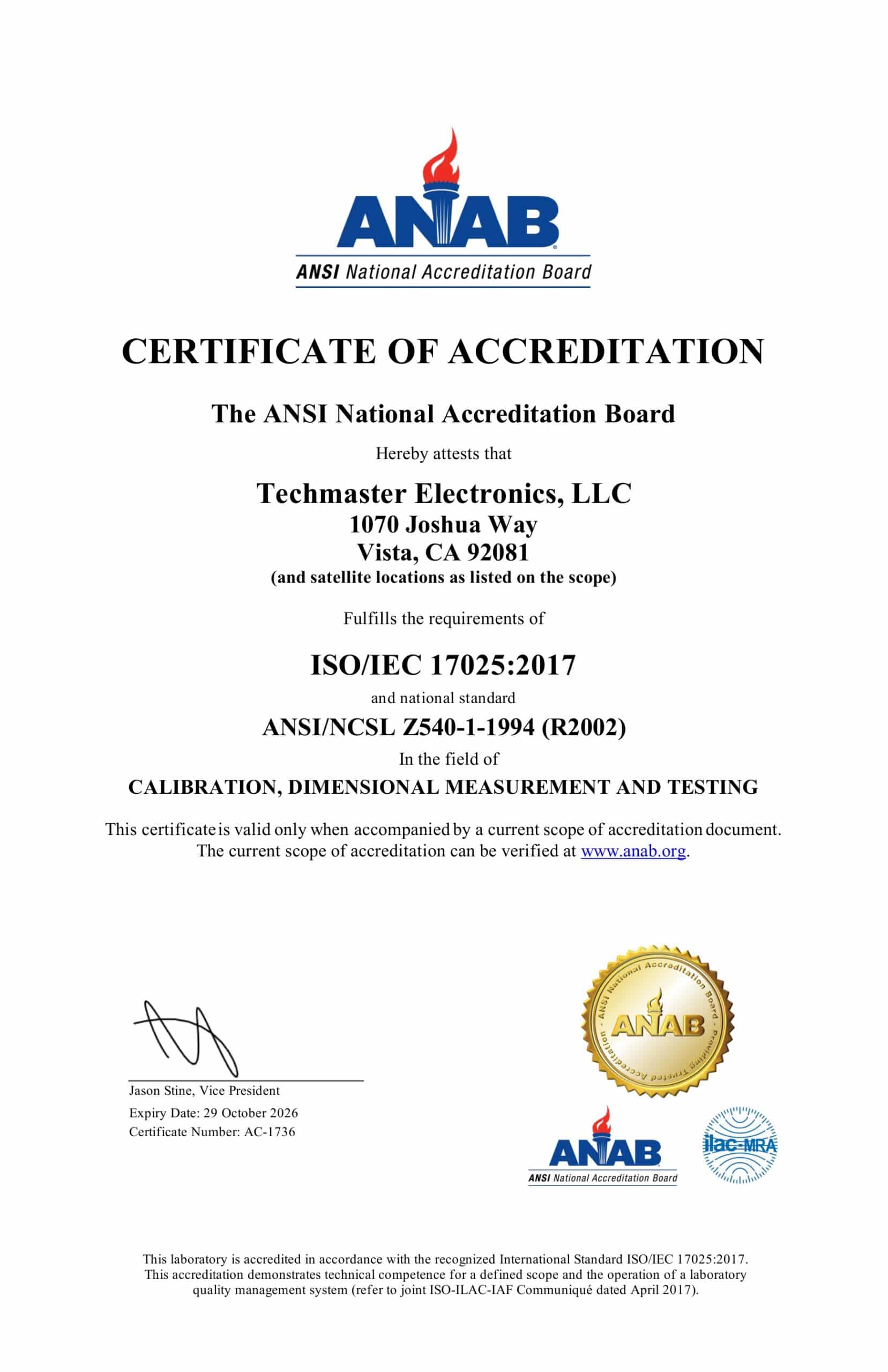
ISO/IEC 17025:2017 – Ensures technical competence, impartiality, and traceability
-
ANSI/NCSL Z540.1 – Required for U.S. aerospace and defense contracts
-
NIST Traceability – Aligns measurements to U.S. national standards
Our ISO 17025 certificates are ANAB-accredited and recognized under the ILAC MRA, supporting global quality system compliance.
✅ Industry-specific benefits:
- Pharma: Stay FDA cGMP-compliant with clear, audit-ready reports
- Aerospace/Defense: Meet AS9100 with detailed Z540.1 documentation
- Automotive: Support IATF 16949 with traceable calibration records
In-House vs. Professional Calibration Services
| Criteria | In-House Calibration | Techmaster Calibration |
|---|---|---|
| Equipment & Tools | Often limited | Advanced, certified calibrators (Fluke/Druck) |
| Traceability | May lack full documentation | NIST and ISO 17025 traceability |
| Audit-readiness | High risk | Audit-ready reports, ILAC recognition |
| Technical Expertise | Relies on internal skills | Certified metrologists handle everything |
| Downtime | Risk of delay | On-site service available |
Professional services free up your team, reduce compliance risks, and deliver higher accuracy, faster.
How Often Should I Calibrate a Pressure Transmitter?
Calibration frequency varies based on:
- Criticality: Pharma cleanrooms need tighter schedules than HVAC systems
- Environment: High humidity, vibration, or extreme heat accelerates drift
- Usage: Heavy use or past issues may require more checks
- Manufacturer’s advice: Follow their recommended intervals
✅ Typical schedules:
- Once a year for standard manufacturing
- Every 6 months or quarterly for critical or harsh environments
Frequently Asked Questions (FAQ)
Q1: Can you calibrate at our facility?
Yes. We offer on-site ISO 17025 calibration, reducing downtime and logistics hassle.
Q2: What kind of certificate will I receive?
You’ll receive a full traceable calibration certificate. ISO 17025 services include uncertainties and ANAB-accredited documentation.
Q3: How do I choose between Commercial, Z540.1, and ISO 17025 calibration?
-
Commercial: General use, with NIST traceability
-
Z540.1: Aerospace/defense with full test data
-
ISO 17025: For regulated industries needing full uncertainty reporting and ILAC MRA recognition
Q4: How long does calibration take?
Most calibrations are done in 3–5 days. Need it faster? Ask about our expedited service!
Let Techmaster Be Your Trusted Calibration Partner
Avoid costly errors, audit failures, or safety risks from uncalibrated equipment.
➤ Contact Techmaster today for expert pressure transmitter calibration, fast turnaround, and flexible options, in our lab or at your facility

Air Buoyancy Correction in Mass Calibration: Altitude, Density and Real Error Budgets
Air buoyancy correction explained with the NIST SOP 2 formula: how altitude and artifact density...
Aug

ASTM E4 vs ISO 7500-1: Which Force Verification Does Your Tensile Tester Need?
ASTM E4-24 or ISO 7500-1:2018? The test method you run decides which force verification your...
Aug

USP <41> Minimum Weight: How to Calculate It on an Analytical Balance
USP minimum weight is calculated, not specified: 2s divided by 0.001 from a 10-weighing repeatability...
Aug
Deadweight Tester vs. Digital Pressure Calibrator: Which Does Your Lab Need?
Deadweight tester or digital pressure calibrator? How each works, the gravity/buoyancy/temperature corrections, typical accuracy, pressure...
Jul
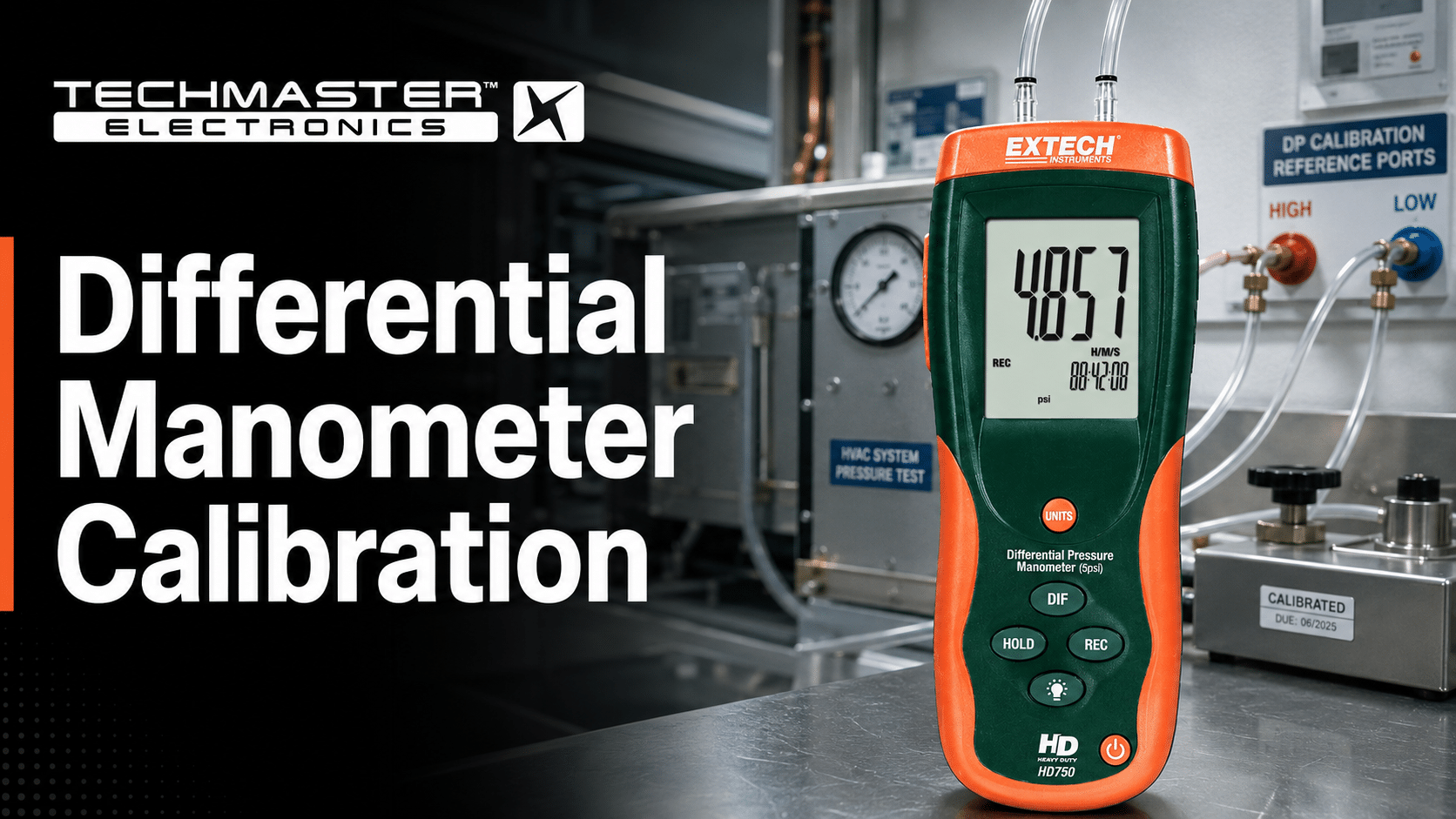
Differential Manometer Calibration: Solve Drift Pain
1Industrial environments rely on absolute precision to maintain safety, ensure product quality, and pass regulatory...
Jun
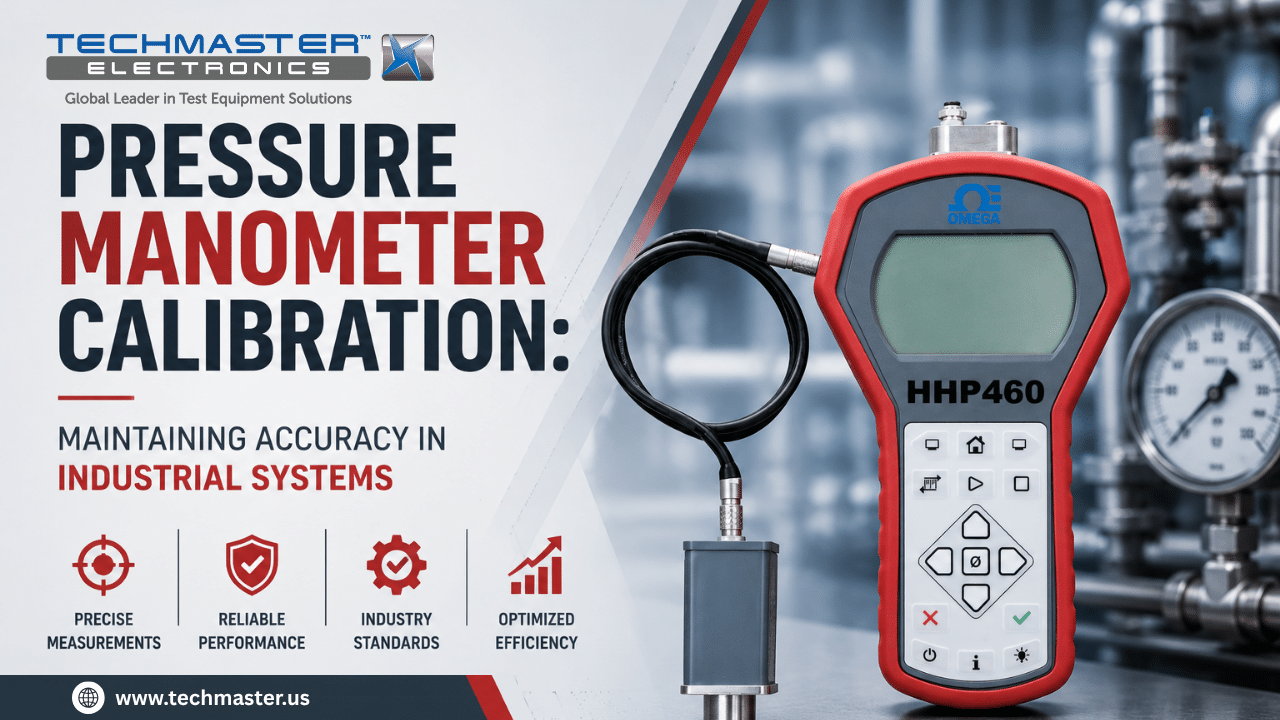
Pressure Manometer Calibration in Industrial Systems
1 Metrology guide · ISO/IEC 17025 · ANAB-accredited Pressure Manometer Calibration Pressure Manometer Calibration verifies...
Jun
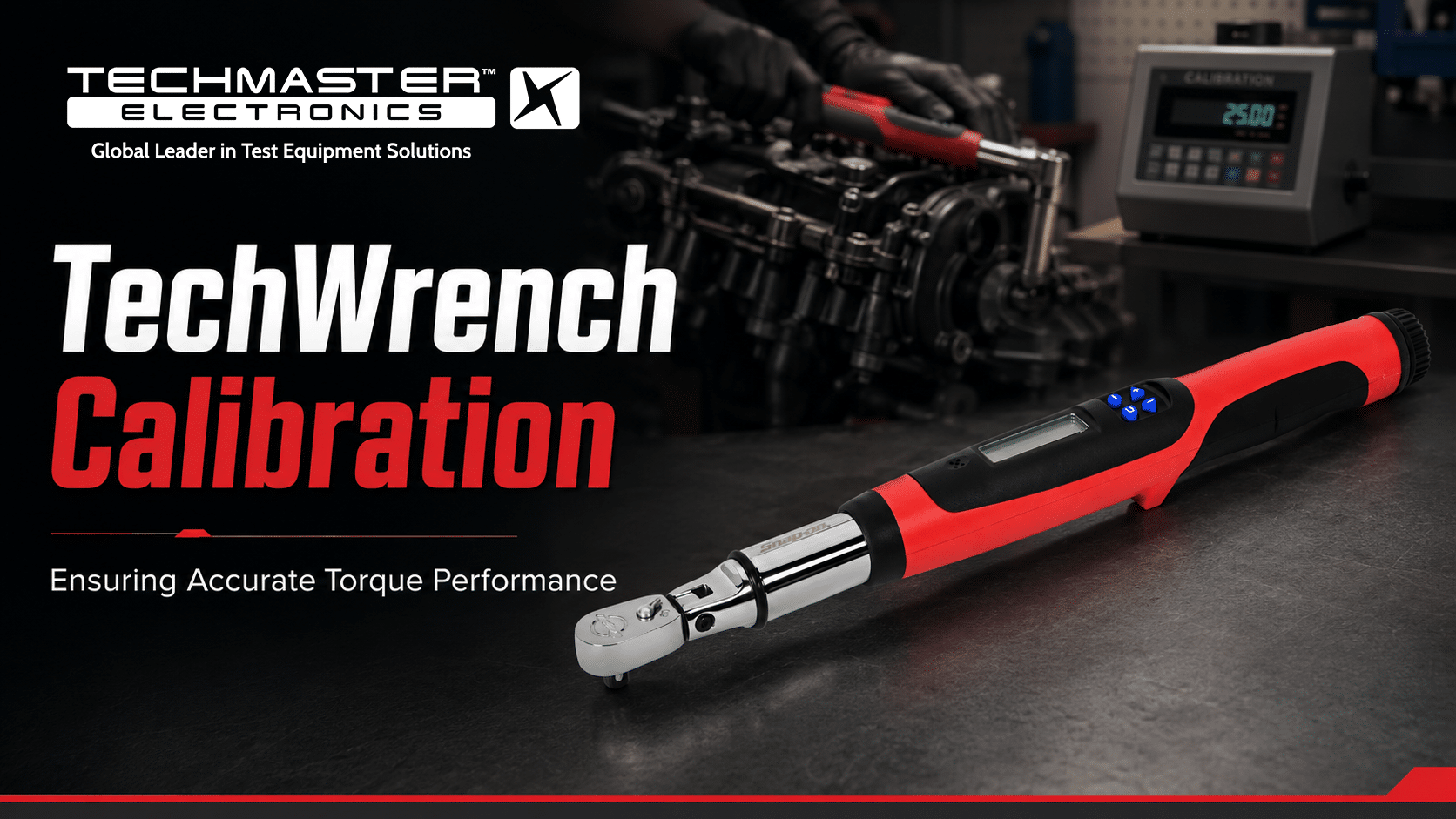
Techwrench Calibration: The Technical & Compliance Guide
1 Metrology guide · ISO/IEC 17025 · ANAB-accredited Techwrench Calibration Techwrench Calibration verifies a Techwrench...
Jun
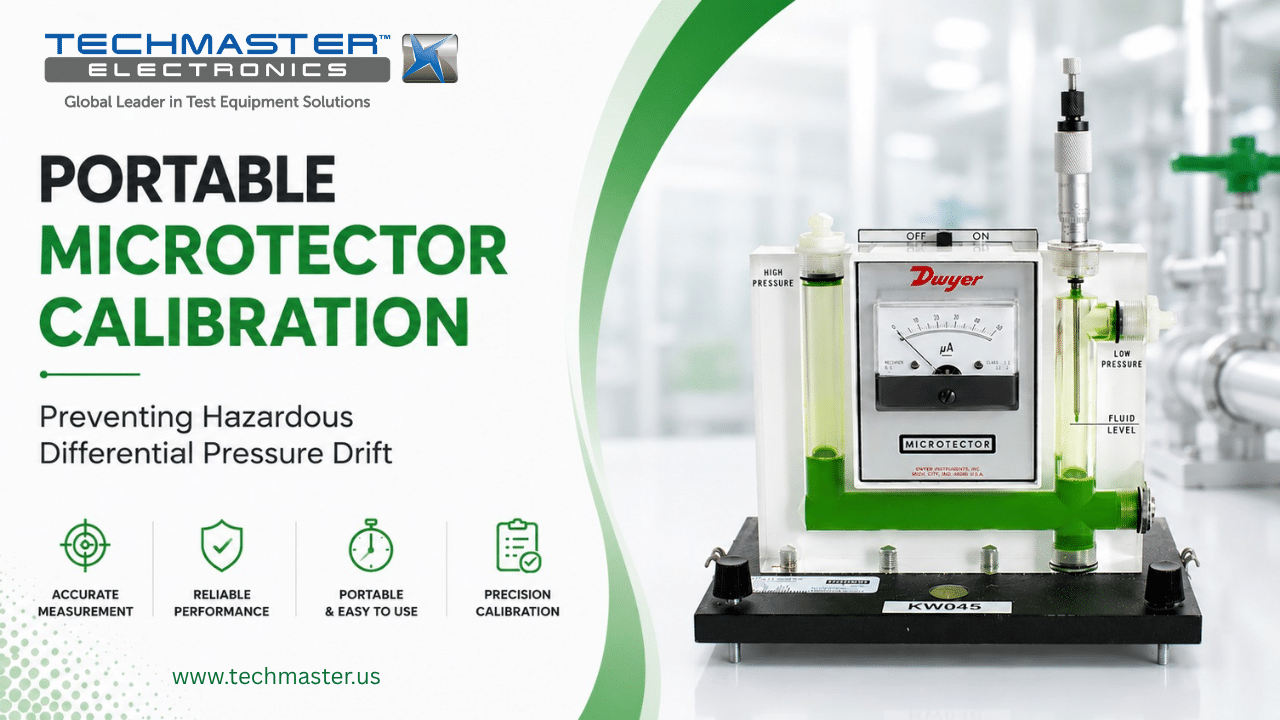
Portable Microtector Calibration: Preventing Pressure Drift
1 Metrology guide · ISO/IEC 17025 · ANAB-accredited Portable Microtector Calibration Portable Microtector Calibration verifies...
Jun
Frequently asked questions
What is Pressure Transmitter Calibration?
How often should a Pressure Transmitter be calibrated?
What standards apply to Pressure Transmitter Calibration?
What is included on the certificate?
Can you calibrate the Pressure Transmitter on-site?
Need Pressure Transmitter calibration?
ANAB-accredited, NIST-traceable, fast turnaround, in-lab or on-site across the USA.
Contact us for a quoteReferences & industry standards
- ISO/IEC 17025 testing & calibration laboratory requirements
- NIST calibration services and measurement traceability
- NIST Pressure and Vacuum Group
- A2LA / ANAB accreditation for calibration laboratories
External standards bodies. Techmaster Electronics is an ISO/IEC 17025-accredited, NIST-traceable calibration laboratory.

Khanh Nguyen is the Marketing Manager at Techmaster Electronics, a B2B marketing leader covering the test, measurement, and ISO/IEC 17025 accredited calibration industry across the US and Vietnam markets.