
Chemical Calibration
Accuracy across the range
How Chemical calibration works
- Intake & visual inspection
- Environmental stabilization
- As-found measurement
- Comparison to NIST-traceable standards
- Adjustment if required
- As-left results & certificate
Your calibration, covered
In-lab vs on-site calibration
In-lab calibration
- Accredited bench with full reference standards
- Best achievable measurement uncertainties
- Pickup & return logistics handled
- Ideal for precision and reference work
On-site calibration
- We calibrate the Chemical at your facility
- No shipping risk or transit downtime
- As-found data captured before any move
- Ideal for fixed, large or sensitive assets
In-depth guide
Chemical Calibration for New Standards: Ensuring Accuracy for Emerging Industries (e.g., Lithium-ion Batteries, Hydrogen)
The world is rapidly shifting towards a green economy. Advanced technologies are also emerging quickly. Industries like Lithium-ion battery manufacturing, green hydrogen technology, advanced materials, and biopharmaceuticals are key drivers. However, this rapid growth brings a significant challenge. These industries need unprecedented precision and reliability in chemical analysis. New materials and processes often require specific compound analysis. This analysis occurs at extremely low concentrations or under harsh conditions. Traditional calibration methods and standards might not fully address these needs.
This article will explore the critical importance of chemical calibration for these new industries. We will discuss their unique challenges. We will also see how advanced calibration methodologies are adapting. Our goal is to ensure product quality, performance, and safety.
The Rise of New Industries and the Demand for Chemical Precision
Industries like Lithium-ion batteries, hydrogen fuel cells, green hydrogen production, nanomaterials, and gene/cell therapies demand strict chemical purity. They also need precise composition control.
- Lithium-ion Batteries: Battery quality and lifespan depend on the purity of electrode materials (cathode, anode), electrolytes, and additives. Even tiny impurities can degrade performance. They can also pose safety risks, such as the danger of fire or explosion.

- Green Hydrogen: For hydrogen fuel, purity is vital. It protects fuel cells and ensures top performance. Impurities, even at parts per million (ppm) or parts per billion (ppb) levels, can severely damage the system.

- Advanced Materials: Producing materials with special properties (e.g., semiconductors, composite materials) requires controlling chemical composition. This control must be at atomic or molecular levels. It ensures the desired characteristics are achieved.
To meet these demands, analytical methods must be highly sensitive and accurate. This is only possible with proper and precise chemical calibration. Such calibration must suit these new standards.
Challenges in Chemical Calibration for New Standards
Calibrating for these industries is complex. Several challenges exist:
- Lack of Reference Materials: For many new chemicals or ultra-trace impurities, certified reference materials (CRMs) are often unavailable. Alternatively, they can be very expensive.
- Harsh Analytical Conditions: Some materials require analysis in inert atmospheres. They might also need high temperatures, high pressures, or extreme sensitivity.
- Complex Matrices: The background matrix of these materials is often intricate. This can cause interferences or skew analytical results.
- Requirements for Speed and Automation: Large-scale manufacturing demands fast analysis and calibration. This helps avoid production downtime.
Key Aspects of Chemical Calibration in Emerging Industries
To overcome these challenges, calibration methods must be adjusted and improved.
1. Calibration for Basic Parameters in Complex Environments
In many new material production processes, controlling basic parameters like solution pH and conductivity is crucial.
- For instance, in Lithium-ion battery quality control, precise pH and conductivity of the electrolyte are vital. This optimizes battery performance and lifespan. This requires specialized pH meter calibration and conductivity meter calibration services. These services must handle solutions with different chemical properties than traditional aqueous ones.
2. Ultra-Trace Impurity Analysis and Precise Component Quantification
- Specialized Equipment: Highly sensitive analytical instruments are needed. These include Inductively Coupled Plasma-Mass Spectrometry (ICP-MS), Gas Chromatography-Mass Spectrometry (GC-MS), and High-Performance Liquid Chromatography (HPLC) with advanced detectors.
- Specialized Calibration: Calibrating these instruments needs complex calibration curves. It uses ultra-low concentration standards. Also, matrix effects must be carefully considered.
3. Calibration of In-line/On-line Sensors and Monitoring Systems
- Continuous monitoring is essential in production. Therefore, chemical sensors integrated directly into the production line (in-line/on-line) are becoming very common. Calibrating these sensors requires special methods. This ensures accuracy without disrupting the process.
4. Ensuring Air Quality and Production Environment
- In industries like battery or hydrogen production, the purity of ambient air and compressed gases is vital. Chemical impurities or particulates can cause significant contamination. Regular compressed air system testing ensures these auxiliary gas sources do not introduce contaminants.
- Furthermore, a cleanroom environment is crucial for making sensitive components. Maintaining precise airflow and air cleanliness prevents particulate and chemical contamination from the environment.
Developing New Standards and International Cooperation
To meet the calibration demands of new industries, close collaboration is necessary. This includes national metrology institutes, standardization organizations, instrument manufacturers, and research laboratories.
- Development of New CRMs: We need to create certified reference materials. These should suit the specific matrices and concentrations of new materials.
- Establishment of Standard Calibration Methods: Developing and validating highly reliable calibration methods is key. These are for new instruments and applications.
- Establishing Traceability Chains: We must ensure all measurements are traceable. This means they can be linked to international measurement units.
Conclusion
Emerging industries, such as Lithium-ion batteries and Hydrogen technology, offer huge opportunities. However, they also demand very high chemical precision. Developing and applying appropriate chemical calibration methods for new standards is not just a technical challenge. It is also vital for ensuring product quality, performance, and safety. Investing in research, reference material development, and advanced calibration techniques will be key. This will unlock the full potential of these promising industries. Ultimately, it will drive sustainable and high-tech development for the future.
ISO 8655 Pipette Calibration: Gravimetric Method, Error Limits, and Replicates
What ISO 8655:2022 requires for pipette calibration: the gravimetric method of ISO 8655-6, maximum permissible...
Sep
pH Meter Calibration: What Slope and Offset Values Actually Pass
A pH meter calibration passes when the electrode slope falls within roughly 95-102% of the...
Aug
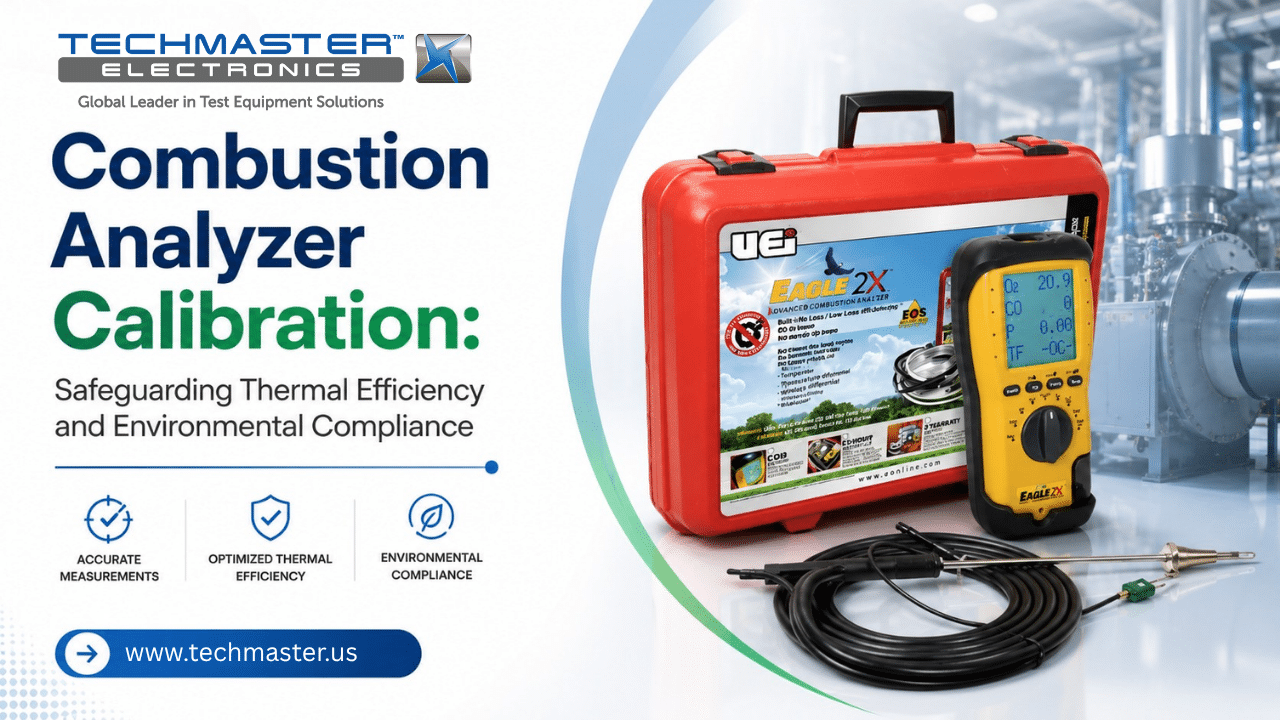
Combustion Analyzer Calibration: Safety in Thermal Systems
1 Metrology guide · ISO/IEC 17025 · ANAB-accredited Combustion Analyzer Calibration Combustion Analyzer Calibration verifies...
May
Gas Detector Calibration: Essential Guide for Industrial Safety
1 Metrology guide · ISO/IEC 17025 · ANAB-accredited Gas Detector Calibration Gas Detector Calibration verifies...
Feb
ISE Meter Calibration for Environmental and Water Analysis
1 Metrology guide · ISO/IEC 17025 · ANAB-accredited ISE Meter Calibration ISE Meter Calibration verifies...
Oct
Portable Meters Calibration: Reliable Data for a Greener Future
1 Metrology guide · ISO/IEC 17025 · ANAB-accredited Portable Meters Calibration Portable Meters Calibration verifies...
Sep

EC Meter Calibration for EV & Green Energy
1 Metrology guide · ISO/IEC 17025 · ANAB-accredited EC Meter Calibration EC Meter Calibration verifies...
Jul

Multi-Gas Monitor Calibration: Risks of Skipping It
1 Metrology guide · ISO/IEC 17025 · ANAB-accredited Multi-Gas Monitor Calibration Multi-Gas Monitor Calibration verifies...
Jul
Frequently asked questions
What is Chemical Calibration?
How often should a Chemical be calibrated?
What standards apply to Chemical Calibration?
What is included on the certificate?
Can you calibrate the Chemical on-site?
Need Chemical calibration?
ANAB-accredited, NIST-traceable, fast turnaround — in-lab or on-site across the USA.
Contact us for a quoteReferences & industry standards
- ISO/IEC 17025 testing & calibration laboratory requirements
- NIST calibration services and measurement traceability
- NIST Chemical Sciences
- A2LA / ANAB accreditation for calibration laboratories
External standards bodies. Techmaster Electronics is an ISO/IEC 17025-accredited, NIST-traceable calibration laboratory.

Khanh Nguyen is the Marketing Manager at Techmaster Electronics, a B2B marketing leader covering the test, measurement, and ISO/IEC 17025 accredited calibration industry across the US and Vietnam markets.